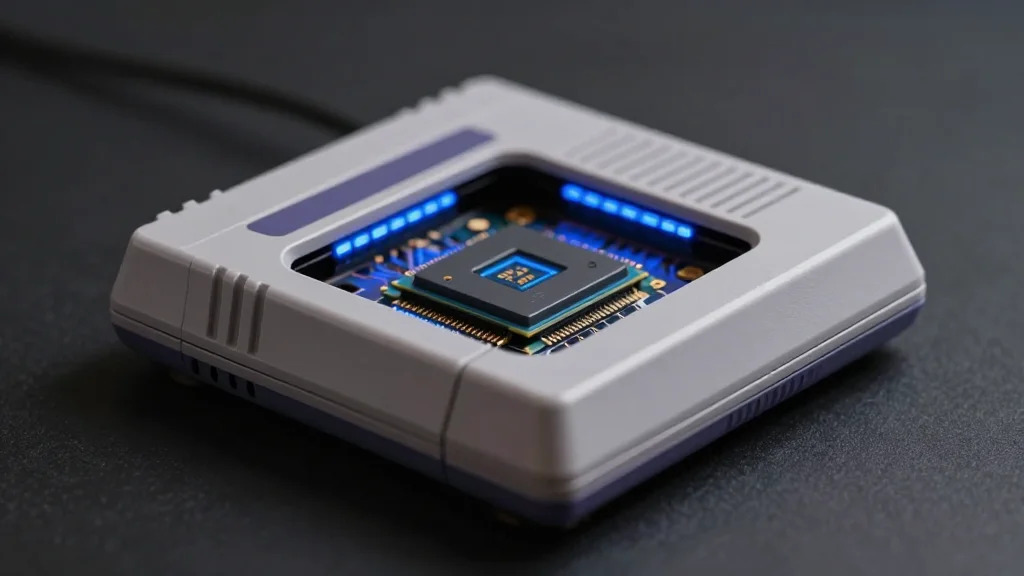
The Sequel to the Iconic Emulator ZSNES Is Called Super ZSNES, of Course
Companies Mentioned
Why It Matters
Super ZSNES modernizes a beloved retro‑gaming tool, giving SNES fans a way to enjoy classic titles on contemporary hardware without sacrificing authenticity. Its release signals renewed interest in high‑fidelity emulation and could reshape the niche emulator market.
Key Takeaways
- •Super ZSNES rebuilt from scratch with GPU‑powered enhancement engine
- •Supports high‑resolution, widescreen, overclocking, and uncompressed audio
- •Offers optional toggles for purists to disable enhancements
- •Early builds released for Windows, macOS, Android; iOS pending
- •Revives ZSNES brand after 20‑year dormancy, appealing to retro gamers
Pulse Analysis
The Super Nintendo Entertainment System remains a cultural touchstone, and its software ecosystem has been kept alive for decades by emulators. ZSNES, launched in 1997 for DOS, became a staple for PC gamers seeking faithful SNES experiences. Its sudden disappearance left a gap that newer emulators like higan and bsnes filled, but the original’s lightweight design and nostalgic UI kept a loyal following. The announcement of Super ZSNES marks the first major update to the brand since its 2000s heyday, reflecting both the enduring demand for retro gaming and the technical possibilities unlocked by modern GPUs.
Super ZSNES distinguishes itself with a "Super Enhancement Engine" that leverages hardware acceleration to render games at resolutions far beyond the original 256×224 pixel limit. Features such as widescreen stretching, overclocking to eliminate slowdown, and uncompressed audio deliver a crisp, lag‑free experience while preserving the classic feel. For purists, every enhancement can be toggled off, ensuring the emulator can still emulate the original hardware’s quirks. The inclusion of 3D height maps for Mode 7 graphics further enriches titles like "Super Mario Kart" and "F-Zero," offering depth that was impossible on CRTs. These technical upgrades position Super ZSNES as a bridge between nostalgic authenticity and modern display standards.
In a crowded emulator landscape, Super ZSNES’s revival could reshape user expectations. By delivering a lightweight, cross‑platform solution with optional high‑end features, it appeals to both casual players and hardcore retro enthusiasts. Its early release on Windows, macOS, and Android expands accessibility, while an upcoming iOS version promises to capture mobile gamers. As the retro market continues to grow—driven by streaming, collector interest, and indie titles emulating 16‑bit aesthetics—Super ZSNES may become a reference point for future emulator development, encouraging other legacy projects to adopt GPU‑centric enhancements without abandoning their original charm.
The sequel to the iconic emulator ZSNES is called Super ZSNES, of course
Comments
Want to join the conversation?
Loading comments...