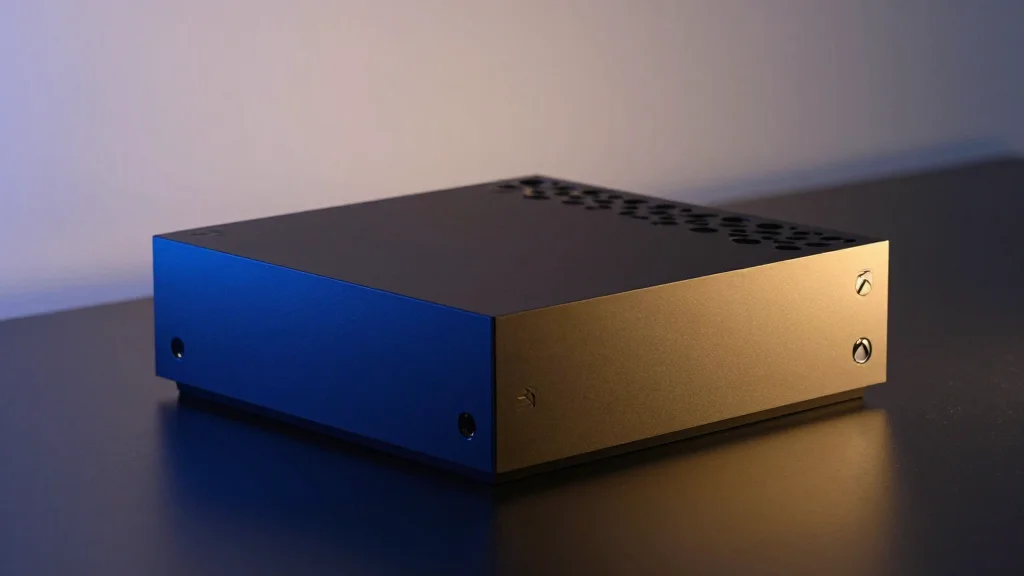
Xbox CEO Asha Sharma Signals Return to Exclusives Amid Game Pass Pricing Debate

Companies Mentioned
Why It Matters
The debate over Xbox’s direction touches the core of the modern gaming economy: subscription services versus exclusive content. A shift back to exclusives could revitalize hardware sales, a segment where Xbox has lagged behind Sony, and could also reshape developer negotiations, as first‑party studios may receive more resources and marketing focus. Conversely, de‑emphasizing Game Pass could erode the subscriber base that has become a steady revenue stream for Microsoft, potentially impacting its broader cloud‑gaming ambitions. For CEOs across the tech and entertainment sectors, the Xbox case illustrates the tension between building a broad ecosystem that drives recurring revenue and cultivating marquee assets that drive hardware and brand loyalty. How Microsoft resolves this tension will likely influence strategic choices at other platform owners, from Sony to emerging cloud‑gaming players.
Key Takeaways
- •Asha Sharma’s memo flags Game Pass as “too expensive for players” after price rose to $30/month.
- •Internal discussions focus on whether Xbox should be an ecosystem platform or a publishing‑first company.
- •Xbox Series X|S sales stand at 28.3 million versus PlayStation 5’s 92 million units.
- •Potential new subscription tiers may feature modular pricing and first‑party‑only bundles.
- •Project Helix, a hybrid console‑PC device, is rumored for a 2027 launch.
Pulse Analysis
Microsoft’s leadership change marks a rare inflection point for a platform that has long championed openness. Under Phil Spencer, Xbox pursued a “Xbox everywhere” strategy, leveraging Game Pass to attract users across consoles, PC, and mobile. Sharma’s early signals suggest a recalibration toward the traditional console playbook: exclusive titles that can act as system sellers. This mirrors Sony’s playbook, where franchises like "Spider‑Man" and "God of War" have consistently driven hardware spikes.
The financial calculus is stark. Game Pass, while a growing subscription revenue stream, now costs Microsoft more to sustain due to licensing fees and the inclusion of premium third‑party titles. By tightening the value proposition—perhaps through exclusive‑first bundles—Microsoft could lower its cost base while still offering a compelling service to core gamers. However, the risk is alienating the broader subscriber base that values the breadth of the catalog over flagship exclusives. The internal memo’s emphasis on “flexible systems” hints at a hybrid approach, where a base tier remains affordable while premium, exclusive‑rich tiers command higher prices.
Strategically, the move also aligns with upcoming hardware ambitions. Project Helix aims to blur the line between console and PC, a vision that could be undercut if the service’s catalog becomes too narrow. By anchoring the platform with strong exclusives, Microsoft can justify a premium hardware price point and differentiate Helix from pure PC rigs. The next few months will reveal whether Sharma can reconcile the subscription‑driven revenue model with the lure of exclusive titles, a balance that will define Xbox’s competitive stance for the rest of the decade.
Xbox CEO Asha Sharma Signals Return to Exclusives Amid Game Pass Pricing Debate
Comments
Want to join the conversation?
Loading comments...