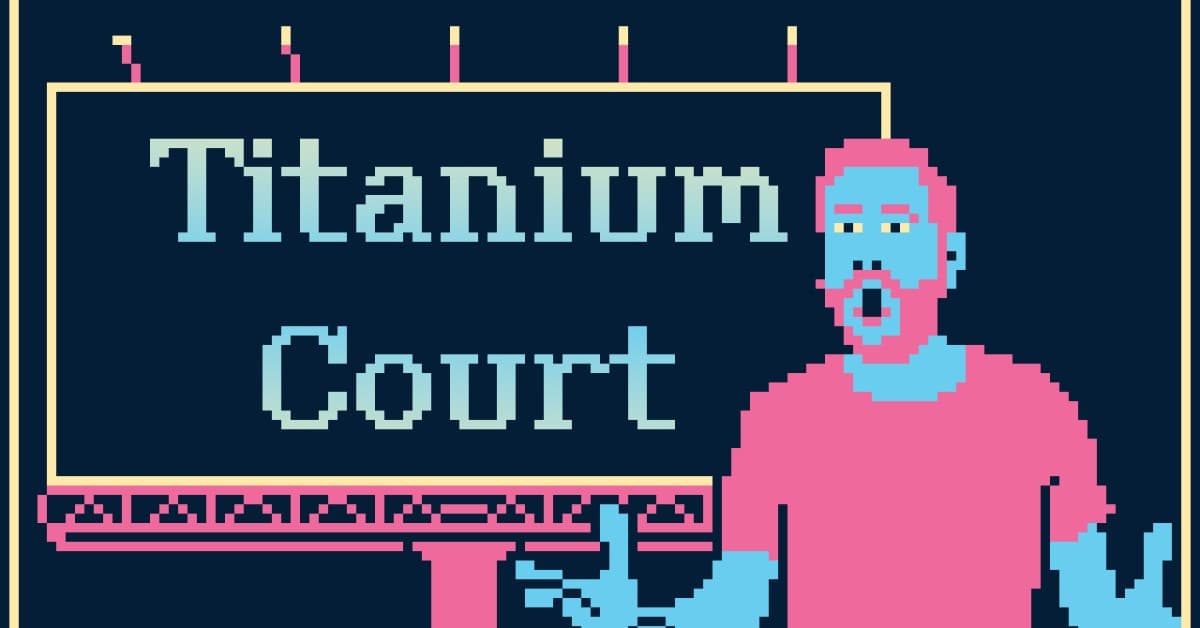
The Year’s Weirdest Game Is Hard to Explain and Even Harder to Put Down
Why It Matters
Titanium Court showcases how indie developers can redefine genre boundaries, attracting gamers hungry for narrative depth and mechanical novelty. Its release signals growing appetite for hybrid experiences that blend gameplay with literary satire.
Key Takeaways
- •Titanium Court blends match‑3, roguelite, and visual‑novel storytelling.
- •Indie developer AP Thomson delivers a meta‑comedic experience for niche gamers.
- •Gameplay alternates between High Tide match‑3 and Low Tide management phases.
- •Launches April 23 on Steam, targeting players seeking experimental narrative games.
Pulse Analysis
The indie scene has increasingly embraced genre mash‑ups, and Titanium Court exemplifies that trend. By marrying the familiar mechanics of match‑3 puzzles with the strategic depth of roguelite management and the narrative richness of visual novels, the game offers a layered experience that feels both nostalgic and fresh. This hybrid design appeals to players who crave more than a single‑track gameplay loop, positioning the title as a case study in cross‑genre innovation.
Beyond its mechanics, Titanium Court leverages meta‑comedy and self‑aware storytelling to engage a sophisticated audience. The faerie‑populated Court serves as a satirical mirror of modern consumer culture, while the alternating High Tide and Low Tide phases force players to constantly shift mindsets—from rapid tile matching to deliberate resource allocation. Such design choices create a rhythm that keeps engagement high and encourages repeated playthroughs, a valuable trait for indie titles seeking longevity in a crowded market.
From a business perspective, the game’s April 23 Steam launch taps into a growing segment of gamers who prioritize narrative experimentation over mainstream polish. Its niche appeal may limit blockbuster sales, but the strong word‑of‑mouth potential among indie enthusiasts can drive organic growth. Moreover, successful execution could inspire other small studios to explore similarly ambitious hybrids, reinforcing the indie ecosystem’s role as an incubator for creative risk‑taking.
The year’s weirdest game is hard to explain and even harder to put down
Comments
Want to join the conversation?
Loading comments...