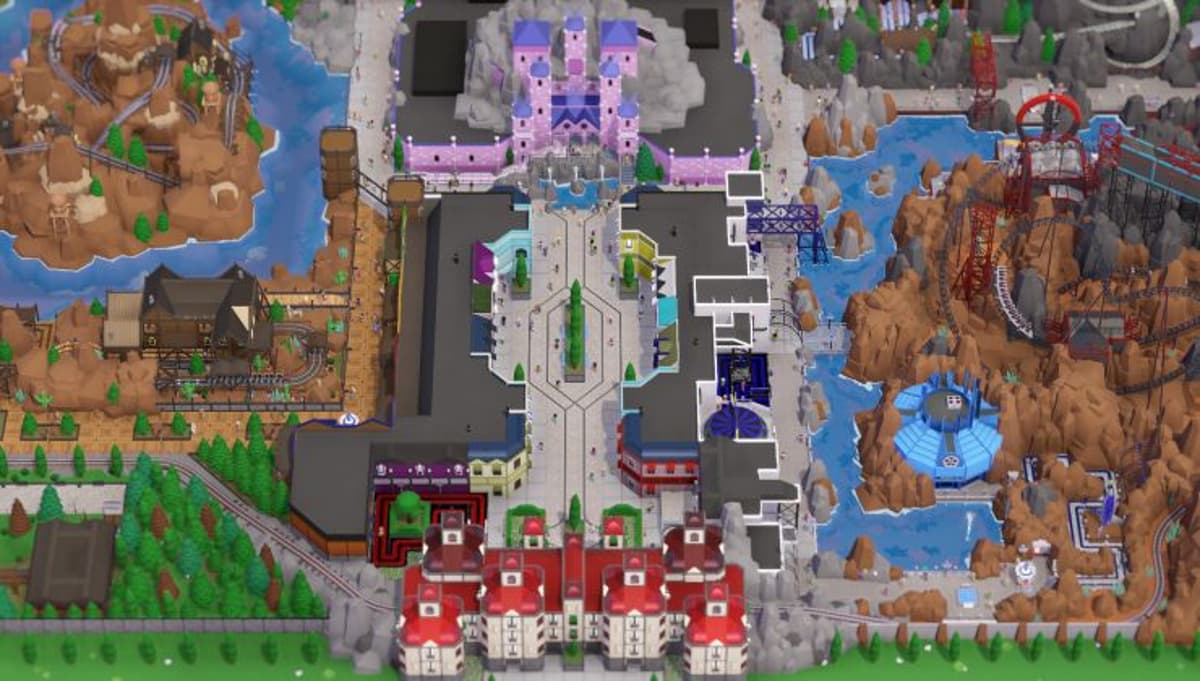
Theme Park Building Game Parkitect Gets Its First Ever Steam Free Weekend
•March 5, 2026
0
Why It Matters
The free weekend dramatically raises Parkitect’s visibility, likely driving long‑term sales and reinforcing the value of community‑driven content in indie simulation titles.
Key Takeaways
- •Free weekend runs March 5‑13 on Steam
- •66 % discount, highest ever price cut
- •Booms & Blooms DLC free until March 9
- •Over 15 000 community coaster designs available
- •Native Linux support broadens player base
Pulse Analysis
Steam’s free‑weekend strategy has become a proven catalyst for indie titles, and Parkitect’s inaugural promotion exemplifies that trend. By slashing the price by 66 percent and bundling the Booms & Blooms expansion at no cost, Texel Raptor removes the primary barrier to entry for new players. This aggressive pricing not only spikes concurrent player counts during the window but also seeds a larger install base that can convert to full purchases once the promotion ends. The timing aligns with the spring sales cycle, positioning Parkitect to capture both casual gamers and dedicated simulation enthusiasts.
Beyond the discount, Parkitect’s strength lies in its robust modding ecosystem. With more than 15 000 roller‑coaster designs uploaded to the Steam Workshop, the game offers virtually limitless creative possibilities, a factor that differentiates it from legacy competitors like RollerCoaster Tycoon. Community‑generated content extends replayability, encouraging players to return long after the free weekend concludes. This user‑driven expansion also reduces the developer’s need for frequent paid DLC, fostering a sustainable model where the community fuels ongoing engagement.
The inclusion of native Linux support further widens Parkitect’s market reach, appealing to the growing segment of PC gamers who prioritize open‑source platforms. As Linux adoption climbs, titles that cater to this audience gain a competitive edge in visibility on storefronts and forums. Combined with the positive Steam reviews and the temporary DLC giveaway, Parkitect’s free weekend is poised to boost its brand equity, attract new modders, and potentially translate into a measurable uplift in post‑promotion sales.
Theme park building game Parkitect gets its first ever Steam Free Weekend
0
Comments
Want to join the conversation?
Loading comments...