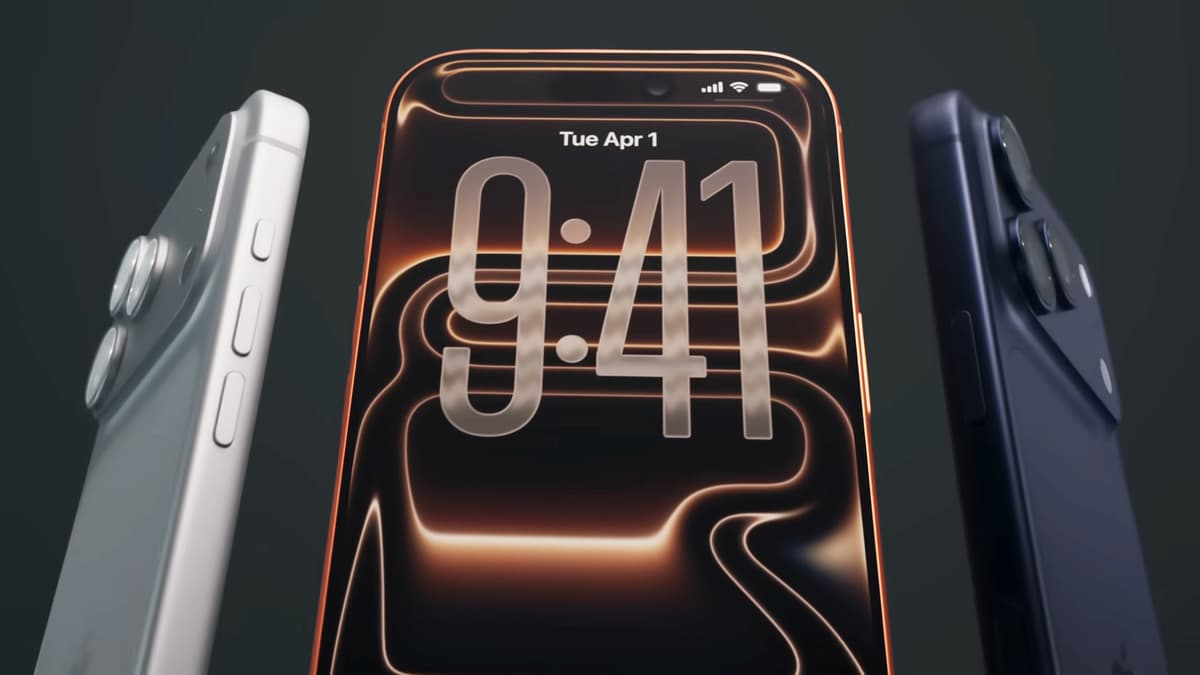
These New iOS 27 Tweaks Could Make iPhone Gaming Smoother for Apple Fanatics
•February 16, 2026
0
Why It Matters
Extended battery life and smoother performance directly enhance mobile gaming revenue and user retention, while Siri’s AI upgrade positions Apple against fast‑moving competitors.
Key Takeaways
- •iOS 27 removes legacy code clusters
- •Battery management tweaks extend gaming sessions
- •Performance boost makes iPhone feel more responsive
- •Siri receives AI chatbot enhancements
- •Potential ripple effect on upcoming foldable iPhone
Pulse Analysis
Apple’s iOS 27 appears to follow a tradition of under‑the‑radar system refinements that prioritize efficiency over headline‑grabbing features. By excising outdated code pathways, the update promises a lighter runtime environment, which translates to faster app launches and reduced CPU cycles. For power‑hungry games, even modest gains in energy management can add several minutes of playtime, a compelling selling point for the increasingly competitive mobile gaming market.
The Siri revamp is equally strategic, as Apple seeks to close the AI gap with rivals like Samsung and Google. Rumors of an integrated chatbot suggest a shift toward conversational interfaces that can handle more complex queries, potentially unlocking new revenue streams through premium services or advertising. A smarter, more context‑aware assistant also deepens ecosystem lock‑in, encouraging users to stay within Apple’s suite of devices and services.
Beyond immediate software benefits, iOS 27 could influence hardware roadmaps. Improved battery efficiency may reduce the need for larger cells in future form factors, easing engineering constraints for speculative devices such as a foldable iPhone or a cost‑effective iPhone 17e aimed at gamers. As Android manufacturers continue to push performance and price points, Apple’s software‑first approach could become a differentiator, reinforcing its premium brand while attracting a broader audience of mobile gamers.
These new iOS 27 tweaks could make iPhone gaming smoother for Apple fanatics
0
Comments
Want to join the conversation?
Loading comments...