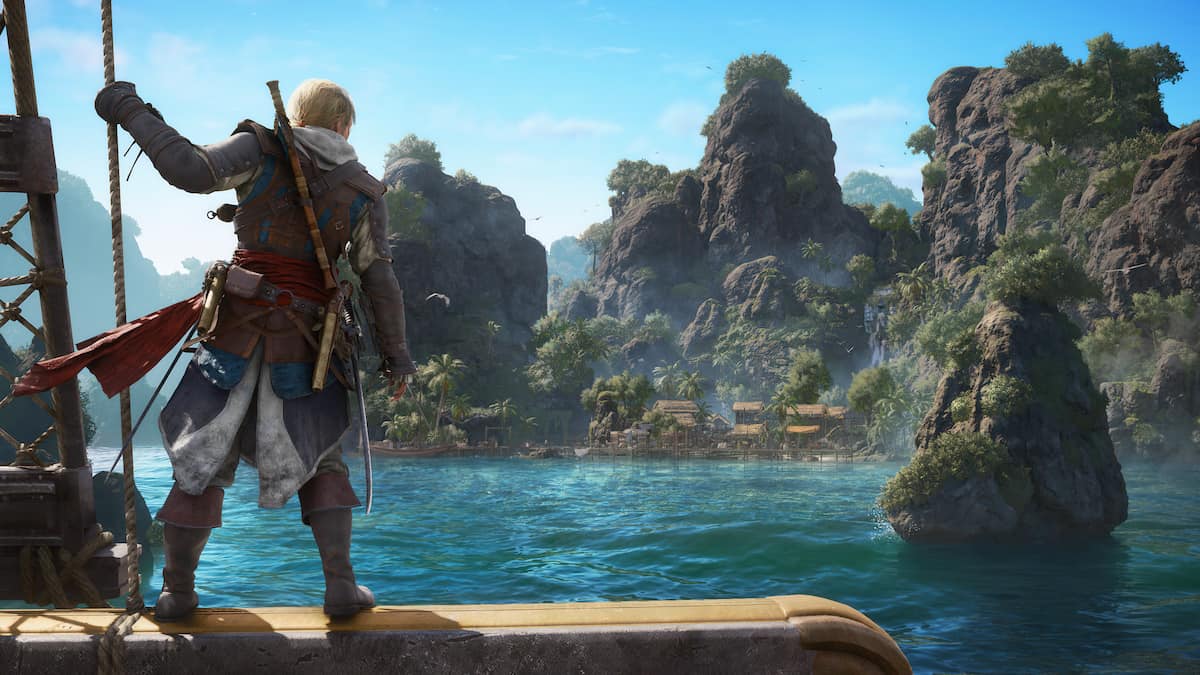
This Black Flag Resynced Comparison to the Original Perfectly Shows Just How Far Graphics Have Come Since 2013
Companies Mentioned
Why It Matters
The visual leap underscores how modern engines can revitalize legacy titles, setting new expectations for remakes. It also highlights Ubisoft’s Anvil engine as a viable alternative to the industry‑standard Unreal, influencing future development choices.
Key Takeaways
- •Black Flag Resynced upgrades lighting, shaders, and textures dramatically
- •Draw distance now reveals distant islands and volumetric clouds
- •Denser foliage and realistic water elevate immersion
- •Ubisoft's Anvil engine shows untapped AAA potential
- •Remake may shift industry reliance on Unreal Engine
Pulse Analysis
The launch of Assassin’s Creed Black Flag Resynced offers a striking visual benchmark for how far game graphics have progressed since the original 2013 release. Side‑by‑side screenshots reveal a complete overhaul of lighting, shader complexity and texture resolution, turning what once looked like murky water into a vivid, liquid surface. The remake also expands the horizon with far greater draw distance, volumetric fog and cloud layers that give the Caribbean setting a cinematic depth previously impossible on the PlayStation 3 era hardware.
At the heart of this transformation is Ubisoft’s proprietary Anvil engine, now in its fourth generation. While the studio has historically relied on Anvil for titles such as Assassin’s Creed Odyssey and Immortals Fenyx Rising, the Black Flag Resynced showcase demonstrates that the engine can rival, and in some cases surpass, the visual fidelity of contemporary Unreal‑based blockbusters. The lack of recent high‑profile releases built on Anvil has been a point of criticism, making this remake a compelling proof‑of‑concept for future AAA projects that could diversify the engine landscape.
The broader market impact is twofold. First, the success of a high‑quality remake reinforces consumer appetite for refreshed classics, encouraging publishers to invest in graphical overhauls rather than purely new IPs. Second, a visually impressive Anvil‑driven title could temper the industry’s drift toward a homogenized Unreal aesthetic, preserving visual variety across the AAA spectrum. As developers weigh engine licensing costs against creative control, Black Flag Resynced may tip the scales toward re‑evaluating in‑house technology, potentially reshaping the next wave of next‑gen releases.
This Black Flag Resynced comparison to the original perfectly shows just how far graphics have come since 2013
Comments
Want to join the conversation?
Loading comments...