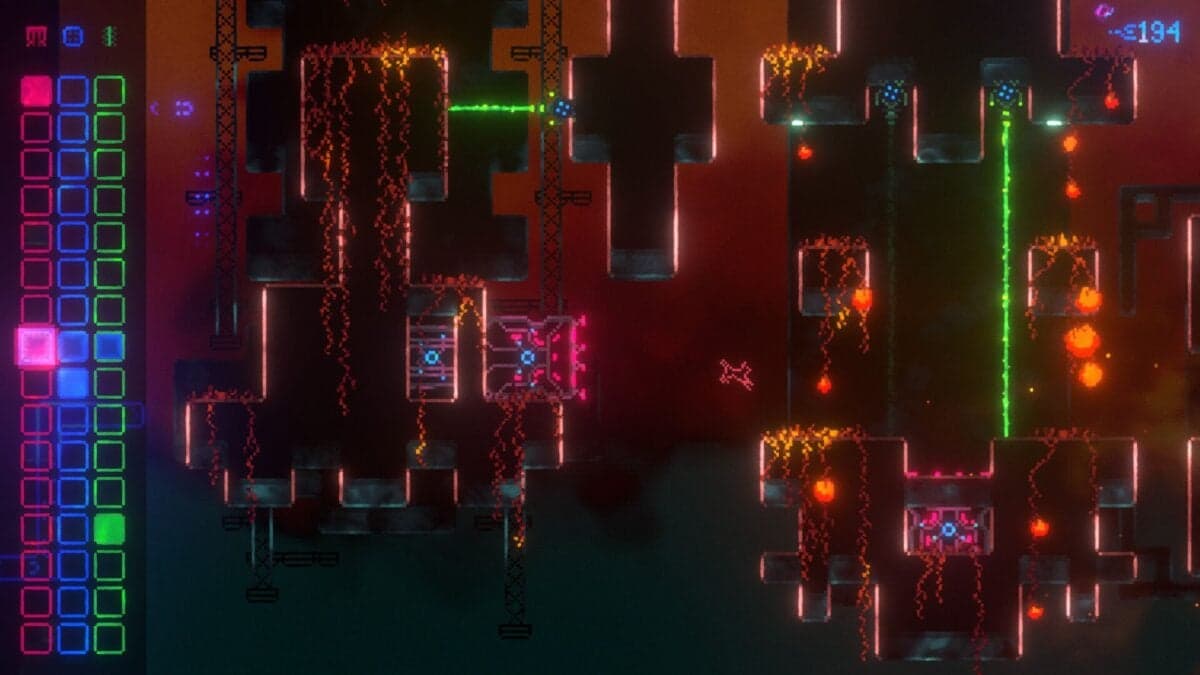
This Gorgeous Indie Platformer Has An Unreachable Area So Imaginary Dogs Don’t Have To Die

Why It Matters
The hidden back‑rooms illustrate how indie developers blend technical constraints with narrative care, potentially shaping future design philosophies around virtual character treatment. It also reinforces Nifflas’ reputation for inventive mechanics, raising expectations for Rhythm Doggo’s market impact.
Key Takeaways
- •Rhythm Doggo adds hidden back‑rooms for unused dog avatars
- •Nifflas keeps entities off‑map to simplify code handling
- •Unreachable area reflects developer empathy toward virtual characters
- •Game continues Nifflas' legacy of innovative indie platformers
- •No release date yet; already on many wishlists
Pulse Analysis
Rhythm Doggo marks the latest entry in Nifflas’ celebrated portfolio, joining titles like Knytt, NightSky, and Ynglet. The game blends rhythm‑based puzzles with platforming, requiring players to alter the soundtrack to unlock pathways. This hybrid design taps into a growing niche of music‑driven gameplay, appealing to both rhythm enthusiasts and traditional platform fans. By positioning the player as a dog navigating a neon‑lit world, the title also leverages the charm of anthropomorphic protagonists, a proven hook in indie marketing.
Beyond its core mechanics, Rhythm Doggo introduces an unconventional technical solution: a series of inaccessible rooms that house dog avatars after they leave the active scene. Nifflas explains that moving entities off‑map is simpler than constantly creating and destroying them, a common practice in performance‑focused game development. However, the developer’s decision to give these orphaned characters a virtual hangout reflects a rare blend of code efficiency and emotional consideration, sparking conversation about how developers treat digital entities that players have grown attached to.
The broader industry is watching this approach as a potential template for balancing resource constraints with narrative empathy. As indie studios increasingly rely on limited budgets and small teams, solutions that minimize overhead while enhancing player connection could become a differentiator. Rhythm Doggo’s hidden back‑rooms may inspire other creators to embed subtle, player‑unseen layers that enrich the game world without inflating development costs. Anticipation remains high, and the title’s unique blend of rhythm, platforming, and thoughtful design positions it to influence future indie projects.
This Gorgeous Indie Platformer Has An Unreachable Area So Imaginary Dogs Don’t Have To Die
Comments
Want to join the conversation?
Loading comments...