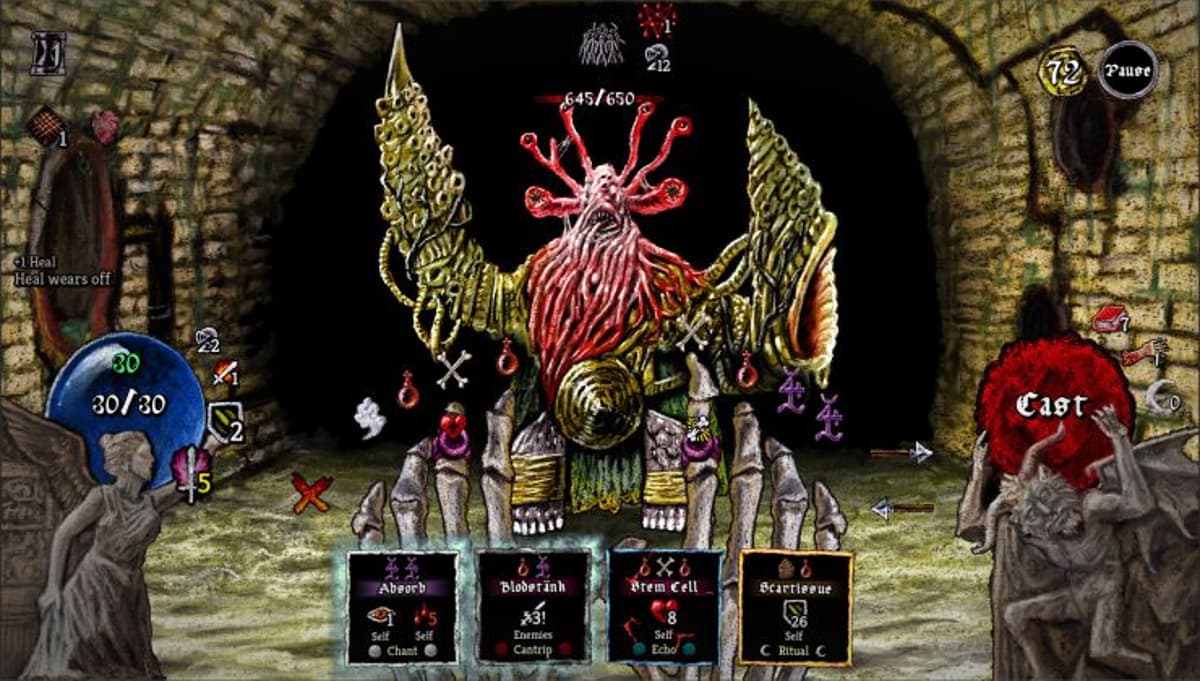
Thoroughly Strange Dungeon Crawler Pluto Is All About Constructing Spells and Using Your Fingers
•February 16, 2026
0
Why It Matters
Pluto showcases how indie developers can innovate core combat mechanics, potentially reshaping expectations for spell‑casting games on Linux platforms. Its unique gesture system may attract both strategy fans and players seeking more immersive, hands‑on experiences.
Key Takeaways
- •Release set for 9 March 2026.
- •Demo returns at Steam Next Fest 23 Feb.
- •Combines turn‑based deck‑building with gesture spell casting.
- •Developed by indie team Siege Wizard Interactive.
- •Published by indie.io for Linux via Proton/Wine.
Pulse Analysis
The indie gaming scene continues to push boundaries, and Pluto exemplifies this trend by turning spell‑casting into a physical, improvisational act. While many titles rely on static card decks, Pluto’s developers designed a system where players literally shape magic with their fingers, merging tactile interaction with strategic depth. This approach aligns with a growing appetite for games that blend traditional mechanics with novel input methods, offering a fresh experience that stands out in a crowded market.
At its core, Pluto fuses turn‑based deck‑building with a gesture‑based combat engine. Players assemble spell components in real time, creating unique combinations that can turn a dire encounter into a triumph—or a catastrophic failure. The mechanic encourages experimentation, rewarding risk‑taking and strategic foresight. For Linux enthusiasts, the game’s compatibility via Proton and Wine removes typical barriers, ensuring a seamless experience on the platform and reinforcing the viability of high‑quality indie titles on open‑source operating systems.
The upcoming release schedule adds momentum: a demo debut at Steam Next Fest on 23 February will let players test the system before the full launch on 9 March 2026. Published by indie.io, Pluto benefits from targeted marketing to niche audiences seeking innovative gameplay. If the demo resonates, the title could set a new benchmark for gesture‑driven combat, influencing future indie projects and expanding the repertoire of immersive, hands‑on gaming experiences.
Thoroughly strange dungeon crawler Pluto is all about constructing spells and using your fingers
0
Comments
Want to join the conversation?
Loading comments...