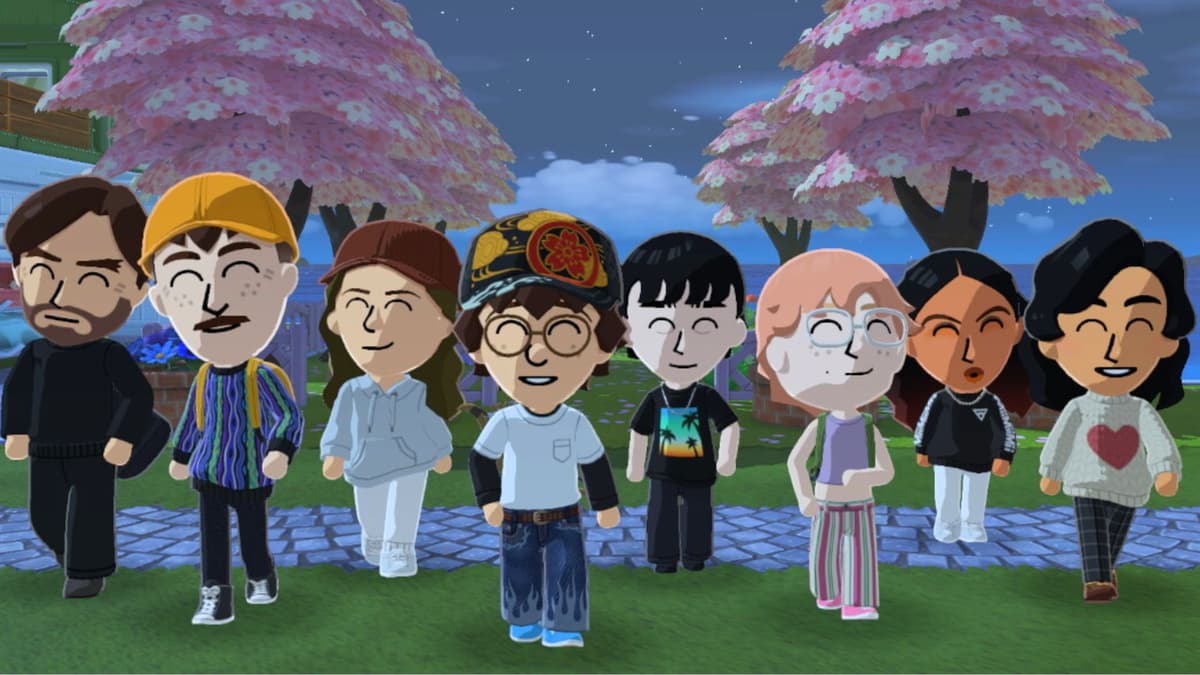
Tomodachi Life Living the Dream Personality and Personality Chart
Why It Matters
Understanding personality mechanics boosts player satisfaction and retention, driving longer play sessions and community engagement for Nintendo’s handheld title. The guide also serves as SEO‑friendly content that attracts search traffic from casual gamers seeking customization tips.
Key Takeaways
- •Four personality groups each contain four distinct types.
- •US and worldwide versions use different names for identical traits.
- •Specific answer choices determine movement, speech, energy, and thinking scales.
- •Personality affects Mii behavior, outfits, and room colors.
Pulse Analysis
Tomodachi Life: Living the Dream expands Nintendo’s casual simulation portfolio by letting players craft Miis with nuanced personalities. While the core gameplay loop remains simple—building relationships and managing island events—the personality system adds a layer of strategic customization. Players must navigate a series of questionnaire prompts that map onto four behavioral axes, ultimately assigning each Mii to one of sixteen archetypes. This depth encourages repeat play as users experiment with different combinations to achieve desired interactions.
From a market perspective, detailed guides like PocketTactics’ personality chart serve a dual purpose. First, they reduce the learning curve for newcomers, lowering the barrier to entry and expanding the game’s audience beyond seasoned fans. Second, the guide’s SEO‑optimized structure captures high‑intent search queries, funneling organic traffic to the publisher’s site and increasing ad‑revenue potential. In an ecosystem where user‑generated content drives longevity, such resources become essential assets for both players and the brand.
Looking ahead, the emphasis on personality-driven mechanics may influence future Nintendo titles and competitors seeking to deepen player agency without sacrificing accessibility. By tying visual cues—outfit palettes and room themes—to personality types, the game reinforces a feedback loop that rewards players for thoughtful customization. This design philosophy aligns with broader industry trends toward personalization, suggesting that even casual franchises can benefit from data‑rich, community‑focused content ecosystems.
Tomodachi Life Living the Dream personality and personality chart
Comments
Want to join the conversation?
Loading comments...