Why It Matters
The tier shift reshapes competitive strategies and influences player character selection ahead of Season 3’s balance changes, affecting tournament outcomes and game meta. Developers can gauge balance reception and adjust future updates accordingly.
Key Takeaways
- •Asuka rises to top tier in Season 2
- •Bryan, Anna, JACK‑8, Law join S‑tier
- •Devil Jin falls to lowest tier
- •DLC characters show strong competitive performance
Pulse Analysis
The emergence of Asuka as the dominant force in Tekken 8 Season 2 reflects how balance patches can dramatically alter a fighting game's hierarchy. After a modest start in Season 1, recent system tweaks amplified her frame data and combo potential, propelling her ahead of long‑standing powerhouses. This shift not only forces top players to re‑evaluate their main characters but also signals that the developers’ "back to basics" philosophy for Season 3 may further democratize the roster, encouraging experimentation across the board.
For the esports ecosystem, Ulsan’s tier list serves as a strategic blueprint for upcoming tournaments. Teams and individual competitors will likely prioritize Asuka, Bryan, Anna, JACK‑8, and Law in preparation for major events, while the demotion of Devil Jin warns against relying on legacy picks without recent data. The strong showing of DLC characters such as Kazuya and Jin underscores the commercial success of post‑launch content, reinforcing the model where new fighters can quickly become tournament staples, driving both sales and viewership.
From a business perspective, the tier list offers Bandai Namco actionable feedback ahead of the Season 3 patch. By tracking community and pro‑player responses, the studio can fine‑tune balance changes to avoid over‑corrections that might alienate the player base. Moreover, the visibility of tier lists on platforms like YouTube and EventHubs amplifies brand engagement, turning meta discussions into marketing assets that sustain interest between major releases and competitive seasons.
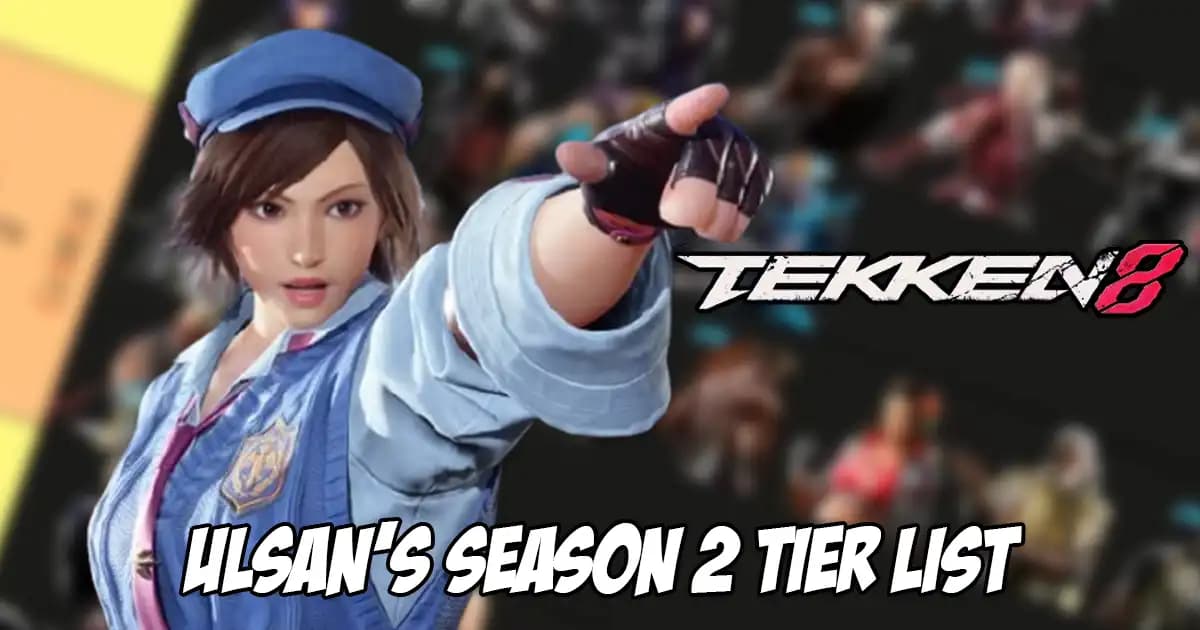
Top player Ulsan unveils his Tekken 8 Season 2 tier list
0
Comments
Want to join the conversation?
Loading comments...