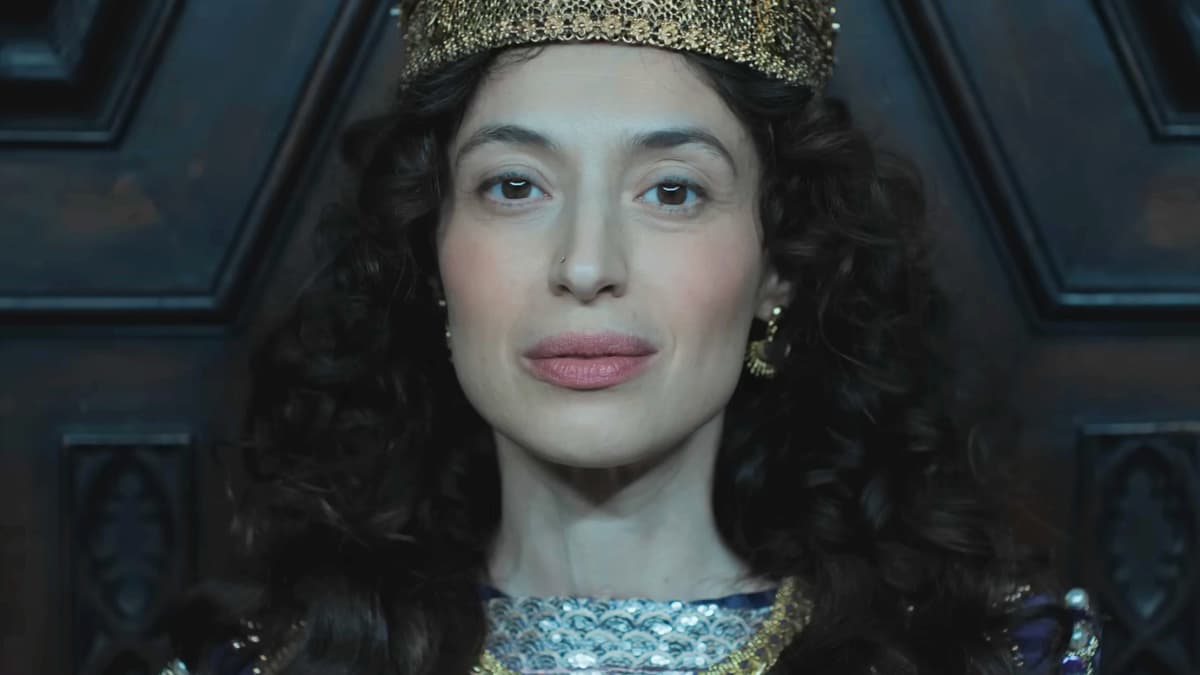
Total War Medieval 3 Aims for Emergent Character Growth: "We Have No Plans for Skill Trees"
Why It Matters
By abandoning skill trees, the sequel promises a more organic, long‑term strategic layer that could reshape player expectations for grand‑strategy titles and strengthen the franchise’s competitive edge.
Key Takeaways
- •No skill trees planned for Total War Medieval 3.
- •Focus on emergent traits, ancillaries, and dynasty inheritance.
- •Dynastic traits persist across generations, shaping long‑term strategy.
- •Mods like Europa Barbarorum 2 inspire world‑response systems.
- •Balancing accessibility with nuanced historical realism remains a priority.
Pulse Analysis
Skill trees have become a staple in recent Total War releases, offering clear progression but often leading to repetitive choices as players manage dozens of commanders. Walter’s remarks highlight a design fatigue: once a player identifies an optimal tree, subsequent campaigns become a series of rote selections, diminishing strategic depth. By eliminating static trees, Creative Assembly aims to restore variability, forcing players to adapt to evolving circumstances rather than following a preset path. This shift aligns with broader industry trends that favor emergent systems over rigid ladders, potentially attracting veterans seeking fresh challenges while retaining newcomers through more intuitive growth mechanics.
The dynasty‑centric model reintroduces a legacy element reminiscent of Medieval 2 and early Rome: traits, ancillaries, and heirlooms are tied to houses rather than individual leaders. As a dynasty matures, its inherited qualities—whether aggressive warfare or administrative efficiency—shape diplomatic and military decisions across centuries. This continuity encourages long‑term planning, as players must consider how today’s choices echo in future generations. The approach also mitigates the "busywork" of late‑game skill allocation, replacing it with meaningful narrative development that can differentiate each playthrough.
Community mods have long been a testing ground for innovative mechanics, and Creative Assembly’s acknowledgment of projects like Europa Barbarorum 2 and Medieval Kingdoms 1212 AD signals a collaborative development ethos. By borrowing concepts such as nuanced government types and world‑response levers, the studio hopes to deepen immersion without sacrificing accessibility. Balancing historical authenticity with approachable gameplay remains a core challenge, but the emphasis on emergent traits and dynastic continuity could set a new benchmark for the franchise, influencing future Total War titles and inspiring competitors to rethink progression systems.
Total War Medieval 3 aims for emergent character growth: "We have no plans for skill trees"
Comments
Want to join the conversation?
Loading comments...