Why It Matters
By addressing past tycoon shortcomings and expanding to Mac/Linux, Urban Games broadens its audience and raises the competitive bar for simulation titles. The growth system could set new standards for city‑building realism.
Key Takeaways
- •Trailer unveils core tycoon mechanics and growth system
- •Game launches day one on PC, consoles, Mac, Linux
- •125-year timeline integrates historic transport evolution
- •Difficulty sliders allow deep customization for veterans
- •Citizen routines drive city growth and reputation
Pulse Analysis
The Transport Fever franchise has long occupied a niche between grand strategy and pure simulation, appealing to enthusiasts who relish detailed logistics. With Transport Fever 3, Urban Games is leveraging the growing demand for cross‑platform releases, ensuring Mac and Linux users can join the experience from day one. This strategic move not only widens the potential market but also signals the developer’s commitment to inclusivity, a trend increasingly important in the competitive gaming landscape.
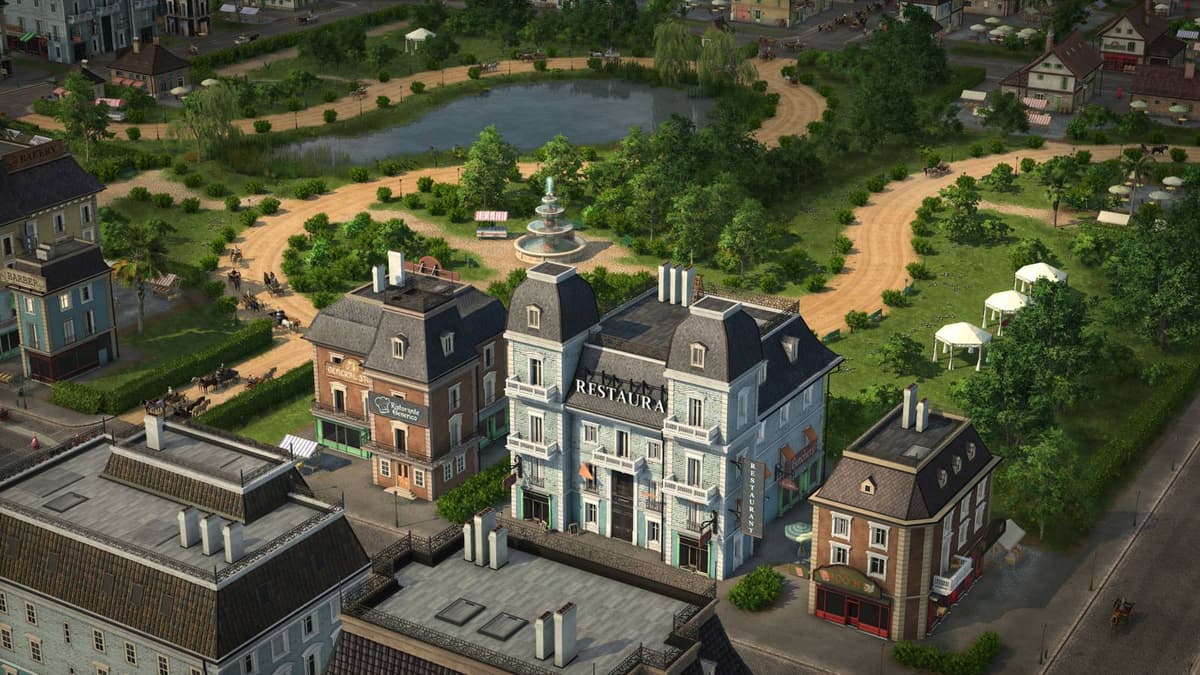
At the heart of the new title lies an ambitious growth system that models individual citizens’ daily commutes. By tying passenger and cargo deliveries directly to city expansion, the game creates a feedback loop where transportation efficiency influences reputation, noise pollution, and ultimately, economic vitality. This granular approach differentiates Transport Fever 3 from other tycoons that rely on abstracted metrics, offering players a more immersive sandbox where every route decision ripples through the urban ecosystem.
From a business perspective, the timing of the trailer and the promise of extensive difficulty customization position Transport Fever 3 to capture both veteran players and newcomers seeking a challenge. The inclusion of difficulty sliders addresses criticism of earlier installments’ late‑game stagnation, potentially extending player lifespan and boosting long‑term revenue through DLC or expansions. As the simulation genre becomes more crowded, Urban Games’ focus on realism, platform parity, and deep strategic depth could establish Transport Fever 3 as a benchmark for future transport‑focused titles.
Transport Fever 3 Tycoon Mechanics Trailer Revealed
0
Comments
Want to join the conversation?
Loading comments...