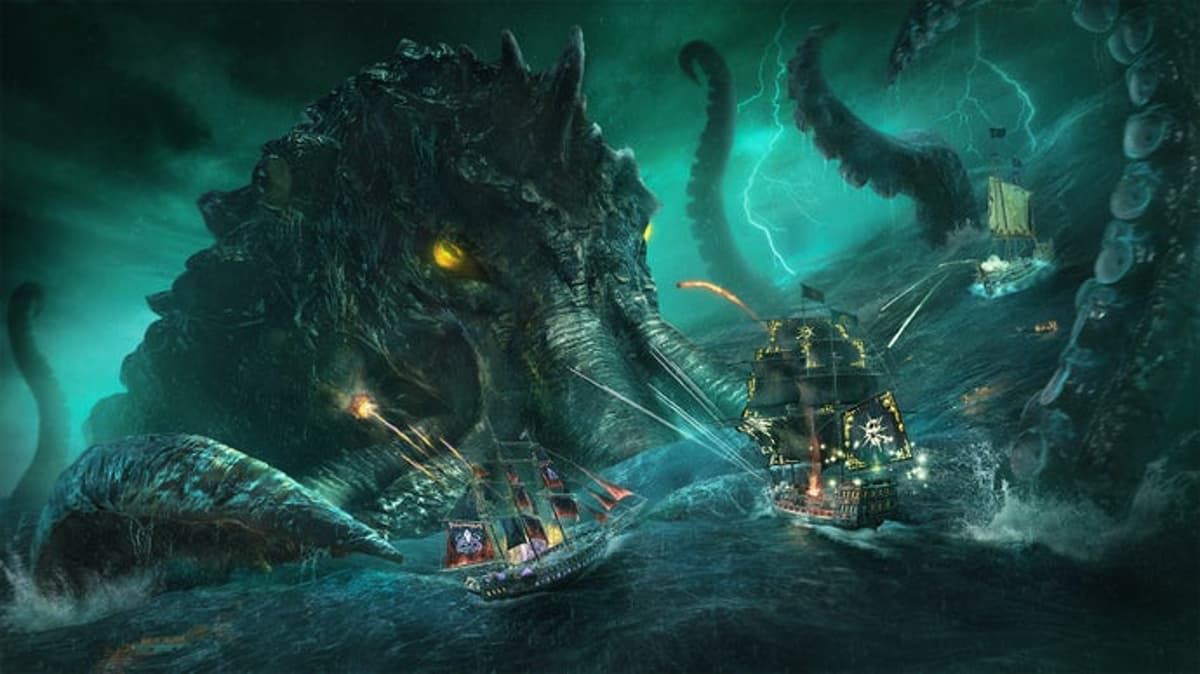
“Unleash the Kraken,” Bellows Skull and Bones, Which Somehow Still Exists
Why It Matters
The season aims to revive player interest and justify Ubisoft’s investment in a low‑performing live‑service amid broader cost‑cutting, signaling how publishers balance portfolio risk and revenue streams.
Key Takeaways
- •Eye of the Beast adds Kraken boss fight.
- •New Corvette ship boosts crew damage.
- •Founding Event returns for anniversary rewards.
- •Game has ~320 Steam players, 66.6% rating.
- •Ubisoft retains project amid broader studio cuts.
Pulse Analysis
Ubisoft’s decision to double‑down on Skull and Bones reflects a broader industry shift toward live‑service models that generate recurring revenue. While many publishers are pruning under‑performing titles, Ubisoft sees value in maintaining a portfolio of open‑world experiences that can be monetized over time. The Kraken‑centric season provides fresh gameplay loops, encouraging both retention and micro‑transaction spend, which helps offset the game’s modest player base and supports the company’s earnings targets during a period of fiscal tightening.
The "Eye of the Beast" update introduces a high‑stakes boss encounter that tests players’ tactical acumen with whirlpools, ink blasts, and toxic fog. Coupled with the Corvette—a large‑class vessel that amplifies crew damage and recovery—the content aims to deepen combat variety and reward progression. The re‑launch of the Founding Event adds nostalgic incentives, granting Frigate ships to participants and creating a limited‑time hook that can spike concurrent users, a crucial metric for live‑service health.
In the competitive pirate‑themed market, Skull and Bones competes directly with titles like Sea of Thieves, which enjoys a larger community and stronger brand loyalty. Ubisoft’s persistence with the title suggests confidence that incremental updates can gradually grow its niche audience and improve its 66.6% rating. For investors, the game serves as a litmus test for Ubisoft’s ability to extract value from long‑tail projects, indicating whether the company can sustain multiple live‑service pipelines without compromising overall profitability.
“Unleash the Kraken,” bellows Skull and Bones, which somehow still exists


Comments
Want to join the conversation?
Loading comments...