Companies Mentioned
Why It Matters
GTA 6’s scale will reset expectations for blockbuster game budgets and release standards, while the surrounding slate signals a broader industry shift toward larger, more immersive open‑world experiences that can drive console sales and subscription revenue.
Key Takeaways
- •GTA 6 targets November 2026 launch with unprecedented development budget
- •Light No Fire blends RPG depth with survival sandbox on Earth‑sized world
- •Assassin’s Creed Hexe promises revamped visuals, combat, and parkour mechanics
- •Project Windless adapts Korean fantasy novel, offering unique lore and combat
Pulse Analysis
The upcoming generation of open‑world games reflects a convergence of hardware capability and studio ambition. With the PlayStation 5 and Xbox Series X/S now fully optimized, developers can render photorealistic environments, dynamic weather systems, and AI‑driven ecosystems at scale. Rockstar’s GTA 6 exemplifies this trend, leveraging a budget rumored to exceed $500 million—more than many Hollywood blockbusters—to deliver a living city that reacts to player choices in unprecedented ways. This investment signals that publishers view games not merely as products but as long‑term platforms for ongoing revenue through DLC, live services, and micro‑transactions.
Beyond GTA 6, titles like Light No Fire and Project Windless illustrate how studios are experimenting with genre hybrids and cross‑media storytelling. Light No Fire’s promise of an Earth‑sized sandbox that fuses role‑playing depth with survival mechanics could redefine player agency, while Project Windless’s roots in a celebrated Korean novel provide a fresh narrative wellspring rarely explored in Western‑focused releases. These projects highlight a growing appetite for culturally diverse content, which can attract new demographics and expand global market share.
For investors and industry watchers, the ripple effects are clear: a surge in high‑budget, high‑risk open‑world projects can boost console adoption cycles and fuel subscription services like Xbox Game Pass and PlayStation Plus. Moreover, the heightened competition may accelerate innovations in cloud streaming, procedural generation, and AI‑driven NPC behavior, ultimately raising the baseline for what gamers expect from next‑gen experiences. Companies that can balance artistic ambition with sustainable monetization will likely capture the most value in this evolving landscape.
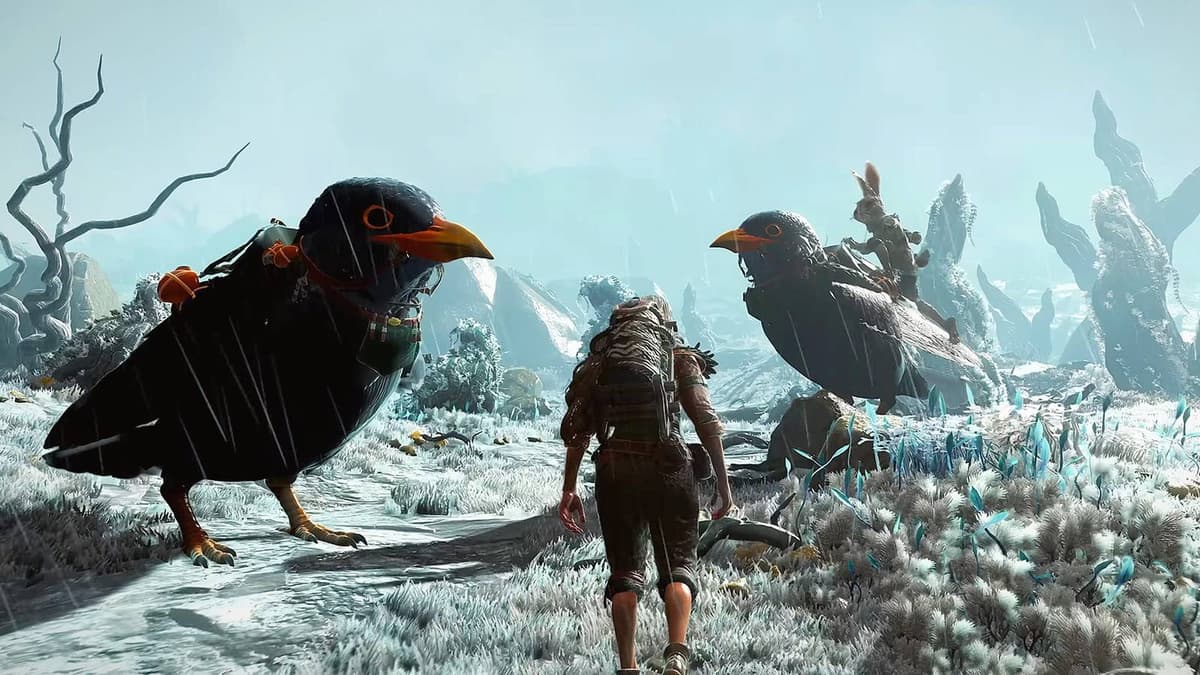
Upcoming Open-World Games That Look Too Good To Be True
Comments
Want to join the conversation?
Loading comments...