Valve's Proton 11 Beta Boosts Linux Gaming with Better Performance and Classic Game Support
Companies Mentioned

Valve
Capcom
9697
Why It Matters
The update boosts Linux gaming performance and broadens the game catalog, making the platform more attractive to both players and developers. It also hints at strategic moves toward ARM‑based hardware, positioning Linux as a viable ecosystem for future VR experiences.
Key Takeaways
- •Proton 11 beta adds NTSync driver, reducing CPU overhead
- •Classic titles like Resident Evil now run smoothly on Linux
- •ARM64 Proton build hints at Steam Frame VR support
- •Based on Wine 11, offering higher compatibility rates
- •Improved performance may attract more developers to Linux
Pulse Analysis
Linux gaming has moved from niche hobby to mainstream contender, thanks largely to Valve’s Proton compatibility layer. By translating Windows DirectX calls into Linux‑friendly APIs, Proton enables Steam’s massive library to run on distributions without native ports. The community’s adoption has grown alongside Valve’s investment, turning Linux into a credible platform for both indie and AAA titles. This momentum sets the stage for each new Proton release to have outsized impact on the broader open‑source gaming ecosystem.
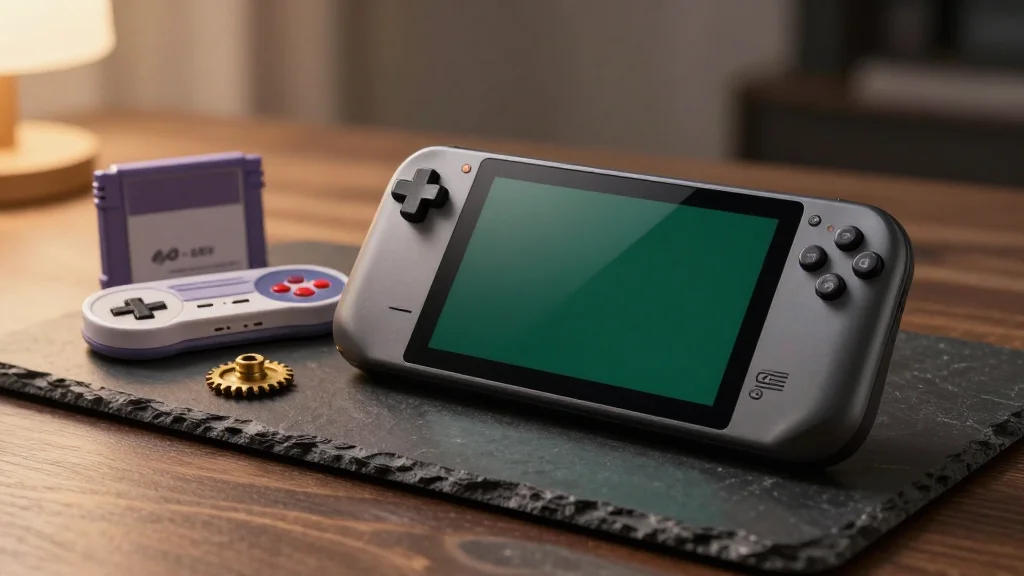
Proton 11.0‑beta1 builds on the latest Wine 11 codebase and introduces the NTSync kernel driver, a low‑level synchronization mechanism that shifts NT‑style thread handling into the Linux kernel. Early testing shows reduced CPU cycles per frame and more consistent frame‑rates, especially in CPU‑intensive titles. Beyond performance, the beta expands the compatibility list to include legacy games from the 1990s—titles that previously required cumbersome workarounds. By delivering smoother gameplay for classics like Chrono Trigger and Metal Gear Solid 2, Valve reinforces its commitment to preserving gaming history on modern hardware.
Perhaps the most forward‑looking feature is the ARM64 Proton configuration, which aligns with Valve’s announced Steam Frame VR headset. An ARM‑based compatibility layer could allow x86‑compiled games to run on the headset’s custom silicon, bridging the gap between traditional PC gaming and emerging VR form factors. If successful, this could accelerate developer interest in targeting Linux‑first pipelines and diversify the hardware landscape. In sum, Proton 11’s performance gains, classic game support, and ARM ambitions collectively strengthen Linux’s position as a viable, future‑proof gaming platform.
Valve's Proton 11 beta boosts Linux gaming with better performance and classic game support
Comments
Want to join the conversation?
Loading comments...