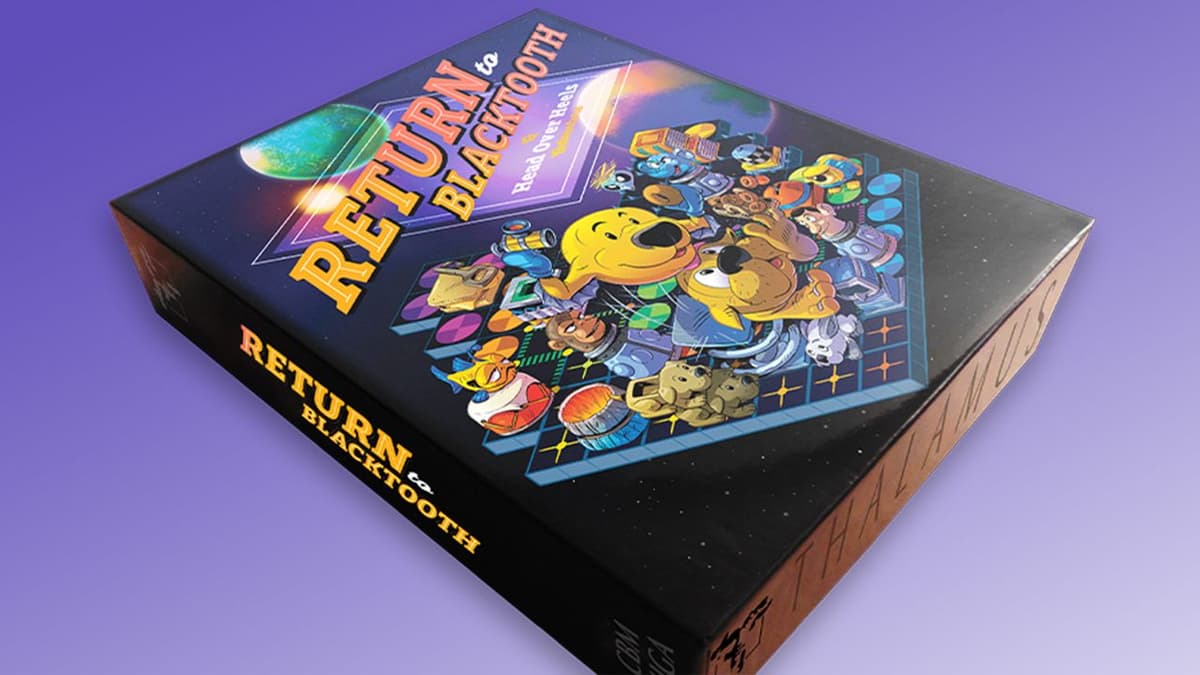
Veteran Programmer Finishes Retro Game Sequel and Publishes It After 37 Years — Colin Porch Started Head Over Heels Home Computer Title in 1989, but It Was Shelved Due to Console Pivot
Companies Mentioned
Why It Matters
The launch demonstrates the commercial viability of retro titles and underscores how nostalgia‑driven demand can revive unfinished projects, creating new revenue streams for legacy platforms. It also highlights the growing market for niche, indie‑style releases on vintage hardware.
Key Takeaways
- •Sequel launched for Atari ST and Amiga after 37 years
- •Priced at $12.99, with boxed copies Q3 release
- •300+ rooms across five planets challenge players
- •Retro demand fuels veteran programmer’s comeback project
Pulse Analysis
The retro‑gaming renaissance of the 2020s has turned once‑forgotten platforms into viable marketplaces, with collectors and indie developers alike capitalising on nostalgia. Modern distribution channels such as itch.io enable creators to reach a global audience, while emulation and affordable hardware keep classic systems accessible. This environment gave Colin Porch the confidence to finish Return to Blacktooth, a project abandoned when Ocean Software pivoted to consoles in 1989. By delivering the game on its original hardware, Porch taps into the authenticity that many enthusiasts demand, reinforcing the value of preserving original development intent.
Finishing a title after nearly four decades is more than a sentimental gesture; it serves as a case study in software preservation and the economics of legacy content. The original codebase, written for the Atari ST’s 1 MB RAM limit, required careful optimisation to meet contemporary expectations without compromising its vintage feel. Porch’s effort illustrates how veteran developers can leverage modern tools—such as cross‑platform compilers and source‑control archives—to resurrect dormant projects, offering a blueprint for others seeking to monetize archival assets.
From a commercial perspective, pricing Return to Blacktooth at $12.99 aligns with current indie‑game standards while the promise of physical boxed editions appeals to collectors willing to pay a premium for tangible nostalgia. The game’s availability on both original hardware and emulators broadens its reach, attracting older fans and younger gamers accustomed to mobile‑style puzzles. As retro titles continue to prove profitable, publishers may increasingly revisit shelved concepts, turning historical footnotes into fresh revenue opportunities.
Veteran programmer finishes retro game sequel and publishes it after 37 years — Colin Porch started Head Over Heels home computer title in 1989, but it was shelved due to console pivot
Comments
Want to join the conversation?
Loading comments...