Why It Matters
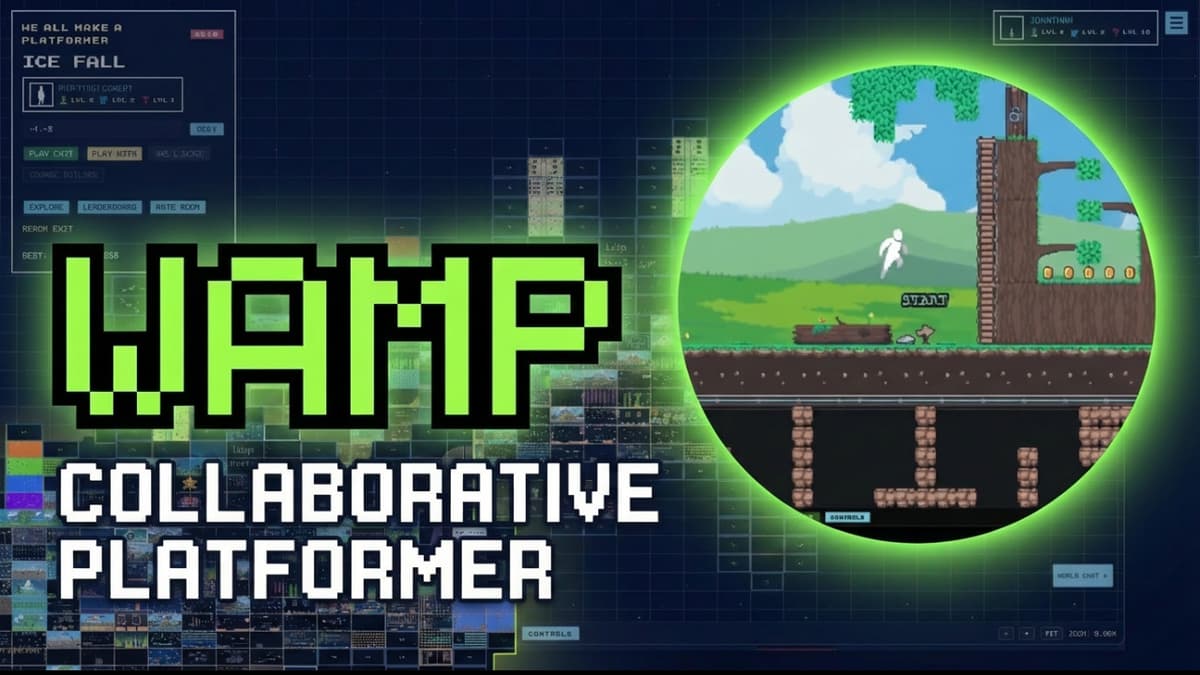
WAMP democratizes level design, turning every player into a creator and generating a constantly evolving library of platformer challenges. This model could reshape indie game distribution by leveraging crowd‑sourced content and AI assistance.
Key Takeaways
- •WAMP lets any player create and publish platformer rooms
- •Rooms earn Builder XP when others complete them
- •Three XP tracks reward building, playing, and curating
- •Public API enables AI agents to generate levels programmatically
- •Beta launch invites community to shape a shared overworld
Pulse Analysis
User‑generated content has long powered sandbox experiences, but WAMP pushes the concept further by making the entire overworld a collaborative canvas. Instead of a single developer releasing a fixed set of levels, each orange cell on the map becomes a micro‑project where anyone can lay tiles, set a mood, and choose a win condition. This modular approach mirrors the rise of no‑code tools, allowing creators with minimal technical skill to contribute meaningful gameplay, while still offering depth for seasoned designers through layered backgrounds and custom goal logic.
The platform’s three‑track XP system creates a self‑reinforcing economy of creation, play, and curation. Builders earn points when others beat their rooms, encouraging high‑quality design; players gain XP for personal mastery; curators are rewarded for thoughtful ratings, fostering a merit‑based discovery layer. Moreover, WAMP’s public API and the skill.md specification open the door for AI agents to draft rooms automatically, a feature that could accelerate content volume and introduce procedural storytelling. By exposing terrain data on a 16×16 grid and supporting standard PNG assets, the platform balances simplicity with artistic flexibility.
From a market perspective, WAMP illustrates a viable path for indie developers to bypass traditional publishing bottlenecks. Community‑driven level libraries can sustain long‑term engagement without the need for costly DLC pipelines. As the beta matures, the platform may attract partnerships with streaming services or esports organizers looking for fresh, crowd‑sourced challenges. Ultimately, WAMP’s blend of collaborative design, gamified incentives, and AI‑ready tooling positions it as a potential catalyst for the next wave of participatory gaming ecosystems.
WAMP: Collaborative Platformer Built with Phaser
Comments
Want to join the conversation?
Loading comments...