Why It Matters
The relic can double a deck’s damage output, reshaping optimal builds for every character and influencing the game’s meta.
Key Takeaways
- •Lantern Key unlocks special event in Act 2
- •Choosing chest yields two potions and two relics
- •Releasing Repy grants History Course relic
- •History Course repeats last attack/skill each turn
- •Key appears as unplayable curse until used
Pulse Analysis
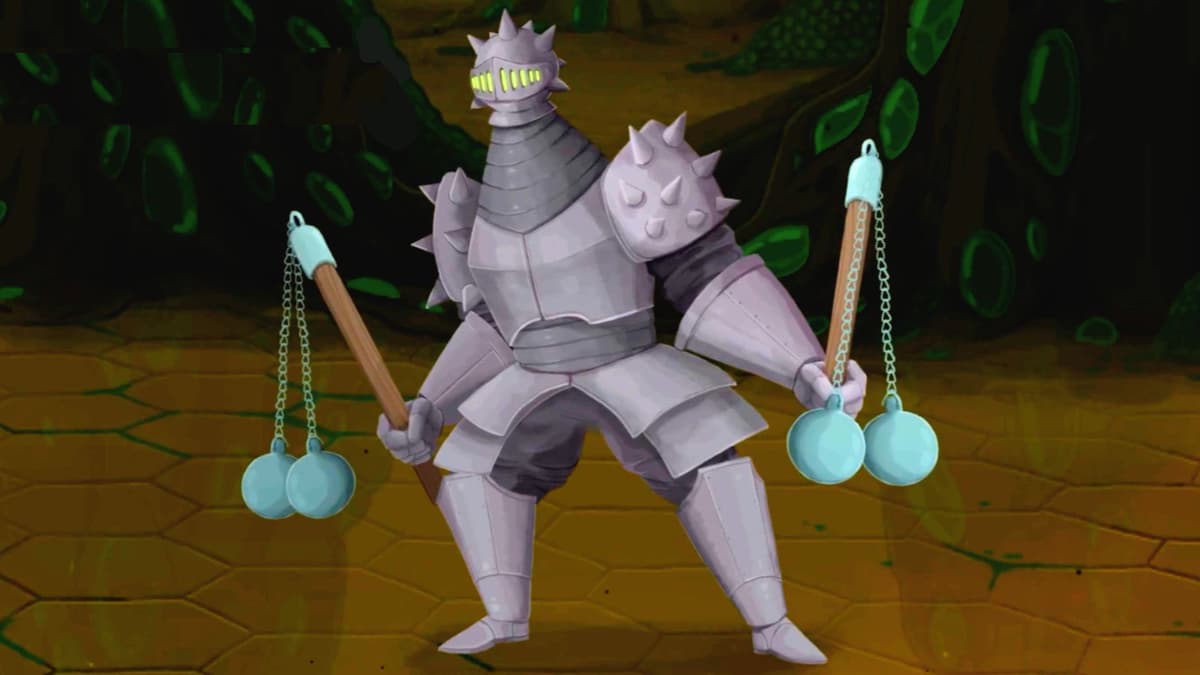
In Slay the Spire 2, the Lantern Key stands out as one of the most coveted delayed‑reward items. It first appears in a random event where a knight demands its return; defeating the armored foe grants the key, which then sits in the player’s deck as a non‑playable curse. This design forces a strategic decision early in the run, as the key’s presence does not affect immediate combat but promises a powerful payoff later in the act.
When the player reaches the next act, the Lantern Key activates a branching event with the historian Repy. The two options are stark: open a chest for a mixed bag of two random potions and two random relics, or free Repy to claim the History Course relic. The chest route offers immediate utility and flexibility, while the History Course relic provides a unique mechanic—replaying the last‑used attack or skill at the start of the following turn. This effect can effectively double damage output or enable elaborate skill combos, making it a game‑changer for any class.
From a meta perspective, the History Course relic has quickly become a top‑tier pick in high‑level runs. Its ability to duplicate a powerful attack or set‑up skill each turn creates exponential scaling, especially for characters that rely on single‑turn bursts. Consequently, seasoned players prioritize the Lantern Key quest despite its difficulty, as securing the relic can turn a marginal deck into a dominant one. Understanding when to chase the key—and which reward aligns with a given build—offers a decisive edge in the competitive roguelike landscape.
What does the Lantern Key do in Slay the Spire 2?
0
Comments
Want to join the conversation?
Loading comments...