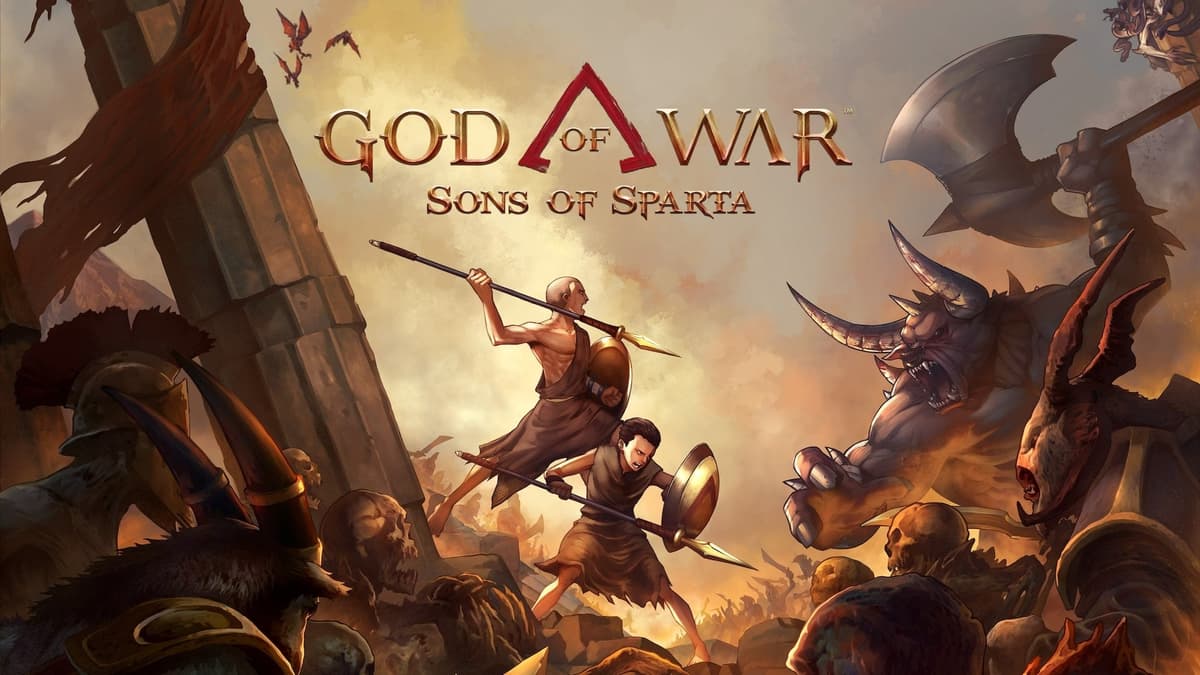
‘What the F*** Are They Thinking?’ God of War Creator Says 2D Spin-Off Sons of Sparta Doesn’t ‘Respect the License’
•February 16, 2026
0
Why It Matters
The critique threatens the franchise’s brand equity and signals that mishandling iconic IPs can erode fan trust, influencing future Sony spin‑off strategies.
Key Takeaways
- •Surprise “shadow drop” released by Santa Monica Studio
- •Jaffe calls game “generic” and story‑heavy
- •Production value falls behind recent 2D action titles
- •Fans expect Kratos’ brutal, mythic tone
- •Criticism may affect future God of War spin‑offs
Pulse Analysis
The franchise’s latest surprise came on Sony’s State of Play, where Santa Monica Studio and indie partner Mega Cat dropped *God of War: Sons of Sparta*, a 2‑D Metroidvania set during Kratos’ youth. By positioning the title as a “canon” pre‑quel, the publishers hoped to tap the nostalgia of the original Greek saga while leveraging the booming retro‑action market. The $30 price point and digital‑only launch signaled a low‑risk experiment, but the decision also raised questions about how premium IPs can be repurposed for smaller‑scale projects.
Original series creator David Jaffe wasted no time voicing his disappointment, calling the game generic, story‑heavy, and a disservice to the God of War license. In a nine‑minute YouTube rant he contrasted *Sons of Sparta* with recent high‑quality 2‑D titles such as *Blasphemous* and *Ninja Gaiden: Ragebound*, noting inferior production values, weak voice acting, and a lack of the visceral brutality that defines Kratos. Jaffe’s critique underscores a broader industry tension: balancing narrative ambition with gameplay depth in budget‑constrained spin‑offs.
The backlash could influence Sony’s roadmap for ancillary God of War products. While a modest Metroidvania can broaden the franchise’s audience, alienating core fans risks diluting brand equity and undermining future cross‑media ventures. Publishers may need to enforce stricter creative oversight, ensuring any spin‑off preserves the series’ tonal DNA—whether through tighter combat loops, higher‑grade art direction, or authentic voice work. For developers, the episode serves as a reminder that leveraging a blockbuster license demands both respect for its legacy and a clear value proposition for players.
‘What the f*** are they thinking?’ God of War creator says 2D spin-off Sons of Sparta doesn’t ‘respect the license’
0
Comments
Want to join the conversation?
Loading comments...