What Year Does Mixtape Take Place? A Polygon Investigation
Why It Matters
Accurate period placement shapes how indie games market nostalgia and connect with target demographics, influencing sales and critical reception.
Key Takeaways
- •1995 is the strongest candidate year based on soundtrack cues
- •Game blends ’80s film references with mid‑’90s skate culture
- •Dialogue uses slang like “sauce” that predates the era
- •Nostalgic framing targets Gen X, not broader Millennial audience
- •Ambiguous setting may limit relatability, impacting player engagement
Pulse Analysis
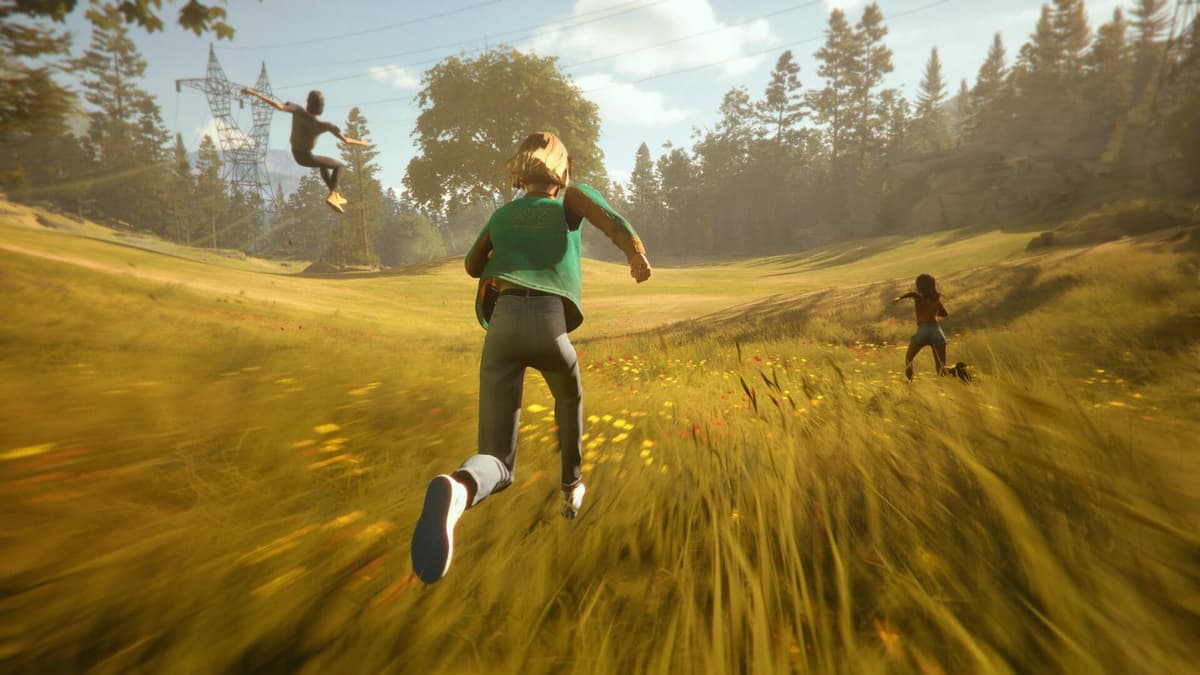
The quest for a definitive timeline in video games is more than a trivia pursuit; it directly affects how developers craft narrative authenticity and market nostalgia. In Mixtape, the soundtrack anchors the story to the mid‑1990s, with tracks like Portishead’s *Dummy* and Montell Jordan’s 1995 hit providing concrete temporal markers. Yet the game’s visual language and dialogue borrow heavily from ’80s cinema and slang that predates the era, creating a hybrid aesthetic that confuses players seeking a clear period experience. This mismatch can dilute the emotional payoff that comes from recognizing a lived‑in cultural moment.
Indie studios such as Beethoven & Dinosaur often rely on generational nostalgia to attract a dedicated fan base. By positioning Mixtape as a universal teen drama, the developers hoped to reach both Gen X and Millennial players. However, the heavy emphasis on grunge‑era music, skate‑park settings, and counter‑cultural attitudes aligns more closely with Gen X sensibilities, leaving younger audiences with a less resonant backdrop. Accurate era signaling not only guides marketing spend—through targeted social media ads and soundtrack licensing—but also informs community outreach, press positioning, and influencer partnerships that thrive on authentic cultural references.
The broader industry trend shows a growing appetite for period‑specific games, from *Life is Strange*’s early‑2000s vibe to *Stray*’s retro‑futuristic world. Mixtape’s ambiguous setting illustrates the risk of straddling multiple eras: it can broaden appeal but also erode the sense of belonging that drives player loyalty. Studios can mitigate this by conducting thorough cultural audits, aligning music licensing with the intended timeline, and allowing narrative flexibility without sacrificing period cues. When executed thoughtfully, a well‑defined temporal setting becomes a powerful storytelling tool that deepens immersion and fuels long‑term commercial success.
What year does Mixtape take place? A Polygon investigation
Comments
Want to join the conversation?
Loading comments...