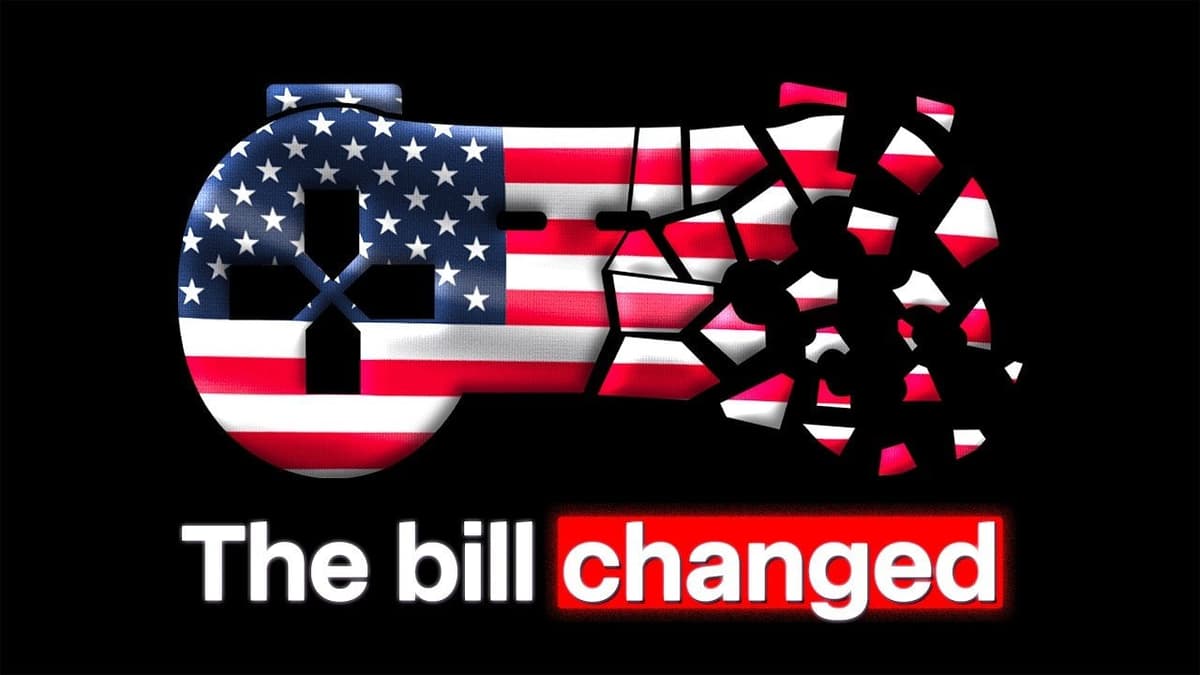
Why California’s New Gaming Bill Might Not Save Your Old Games
Key Takeaways
- •Bill mandates 60‑day shutdown notice and offline, patch, or refund options.
- •Scope limited to paid games released after Jan 1 2027, excluding legacy titles.
- •ESA warns legislation could disrupt licensing models and burden small studios.
- •If passed, California may set template for global digital‑goods regulation.
- •Compliance may force developers to allocate resources for offline versions or refunds.
Pulse Analysis
The rise of digital‑only game distribution has left many consumers vulnerable when online services are discontinued. California’s "Protect Our Games Act" seeks to address this gap by mandating a 60‑day shutdown notice and obligating publishers to offer an offline build, a maintenance patch, or a full refund. By targeting paid titles released after Jan 1 2027, the bill attempts to balance consumer protection with the practicalities of retrofitting legacy code, yet it leaves a large swath of older catalogues without recourse. This narrow temporal scope reflects a political compromise designed to ease industry resistance while still signaling a shift toward greater accountability.
Industry opposition, spearheaded by the Entertainment Software Association, centers on the bill’s potential to upend the licensing framework that underpins most digital game sales. Developers typically sell a limited‑use license rather than outright ownership, and the legislation’s language around "reasonable expectations" and "ordinary use" is seen as vague, risking costly litigation. Smaller studios, which lack deep legal teams and extensive server infrastructure, may find compliance especially burdensome, potentially diverting resources from innovation to regulatory adherence. The debate highlights a broader tension between protecting consumer investments and preserving the flexibility that fuels rapid game development.
If enacted, California could become a bellwether for digital‑goods consumer protection, influencing lawmakers in the EU, Canada, and other U.S. states. A successful model might prompt a cascade of similar statutes, compelling the industry to adopt more robust preservation strategies, such as modular offline releases and clearer licensing disclosures. However, the bill’s limited scope and pending legal challenges suggest that its ultimate impact will depend on how stakeholders negotiate the final language. For gamers, the act promises greater transparency; for developers, it signals a need to integrate long‑term support considerations into product roadmaps.
Why California’s New Gaming Bill Might Not Save Your Old Games
Comments
Want to join the conversation?