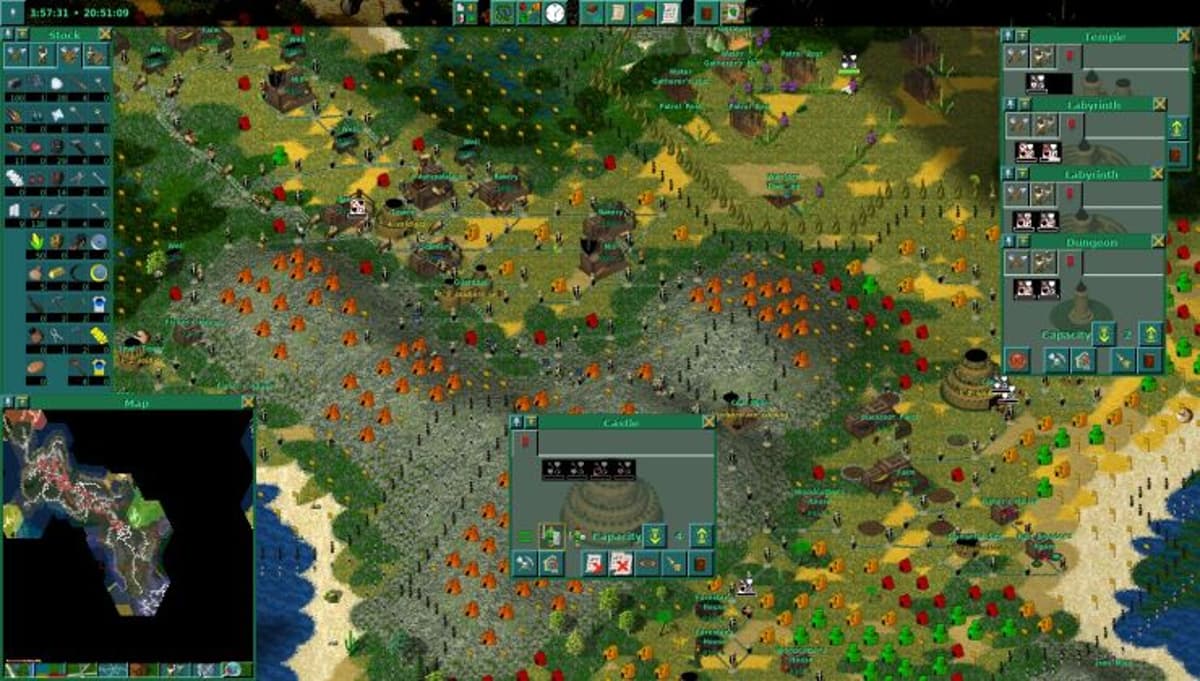
Widelands, the Open Source Settlers-Like, Devs Plan to Ban All AI Generated Contributions
•February 20, 2026
0
Why It Matters
The move sets a rare precedent for open‑source projects to explicitly reject AI‑generated work, highlighting legal and quality risks that could shape contribution standards across the ecosystem.
Key Takeaways
- •Widelands will reject AI‑generated code and assets
- •Policy targets pull requests, not add‑on uploads
- •Developers cite copyright and quality concerns
- •Community feedback open until 24 Feb
- •Translations excluded, language teams set own rules
Pulse Analysis
The debate over AI‑generated contributions has intensified as machine‑learning models flood open‑source repositories with code and media trained on vast, often unlicensed datasets. While many projects embrace the speed and cost savings AI offers, they also grapple with unintended side effects such as hardware strain, inflated storage costs, and a surge in low‑quality submissions that burden maintainers. Widelands’ decision arrives against this backdrop, signaling that not all communities view AI as a net positive and that ethical considerations are gaining traction alongside technical ones.
Widelands’ draft resolution explicitly bans AI‑produced code, graphics, music and related assets from its main repositories, reserving the right to close such pull requests without review. The team justifies the stance by pointing to potential copyright infringement—since AI models often scrape copyrighted material without permission—and the generic, low‑quality output that fails to meet the game’s specific design standards. By exempting add‑on uploads and translations, the policy acknowledges the decentralized nature of community extensions while still drawing a firm line around core development, offering a nuanced approach that balances openness with control.
If Widelands follows through, its policy could ripple through other open‑source initiatives, prompting a re‑examination of contribution guidelines and licensing practices. Project maintainers may adopt similar bans or, conversely, develop hybrid models that require human verification of AI‑assisted work. The outcome will influence how developers negotiate the trade‑off between leveraging AI’s productivity gains and preserving legal integrity and artistic authenticity, ultimately shaping the future of collaborative software creation.
Widelands, the open source Settlers-like, devs plan to ban all AI generated contributions
0
Comments
Want to join the conversation?
Loading comments...