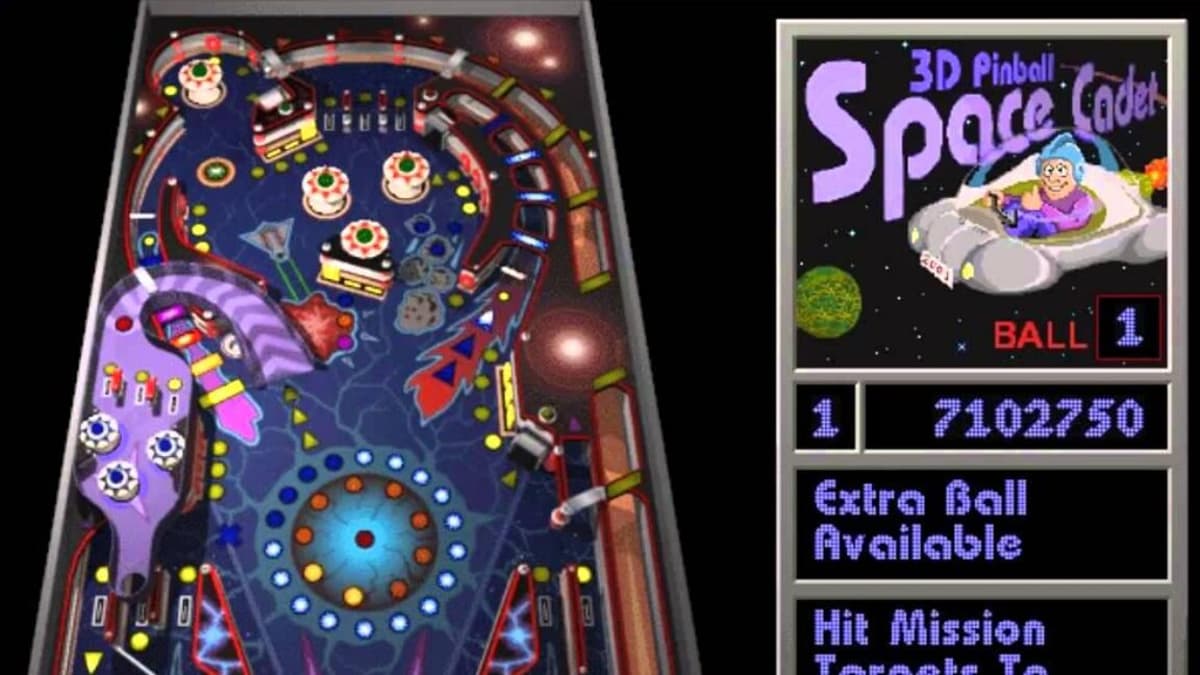
Windows' Classic 3D Space Cadet Pinball Is Getting a Physical Re-Creation
Companies Mentioned
Why It Matters
Reviving a beloved Windows game as a physical pinball machine taps into nostalgia while showcasing the maker community’s ability to overcome niche engineering challenges, potentially opening a boutique market for retro‑themed tables.
Key Takeaways
- •CNCDan began building a physical Space Cadet pinball table.
- •Table uses 3D‑printed flippers, bumpers, slingshots, and raised playfield.
- •Playfield dimensions shrink to 56 cm width, smaller than commercial tables.
- •Tiny bumpers required Hall‑effect sensors to replace unreliable microswitches.
- •Builder seeks hand‑drawn artwork, rejecting AI‑generated designs.
Pulse Analysis
The original 3D Space Cadet pinball game, bundled with Windows XP, became a cultural touchstone for a generation of PC users. Its digital physics and distinctive table layout sparked a lasting fascination that outlived the software itself, prompting hobbyists to imagine a tangible counterpart. By translating a purely virtual experience into a mechanical device, creators like CNCDan bridge the gap between nostalgia and contemporary maker culture, reinforcing the idea that classic software can inspire real‑world innovation.
Translating a 1990s screen‑based design into a one‑meter‑tall cabinet presents unique engineering obstacles. Scaling the virtual playfield to a 56 cm width forces component miniaturization far below standard pinball parts, compelling the builder to source or fabricate custom bumpers and slingshots. Unreliable plastic microswitches gave way to Hall‑effect sensors, a solution more common in industrial automation than hobby pinball. Additionally, the raised playfield’s limited clearance required meticulous wiring to avoid obstructing the kick‑back alley, illustrating how digital designers often overlook physical constraints that become critical in hardware implementations.
Beyond the novelty factor, this project signals a broader trend in the indie pinball market, where small teams leverage 3D printing, open‑source electronics, and community crowdfunding to produce niche machines. Successful execution could attract collectors seeking authentic retro experiences and inspire manufacturers to license other iconic video‑game titles for physical adaptation. Moreover, the emphasis on hand‑drawn artwork underscores a growing consumer appetite for artisanal craftsmanship over algorithmic shortcuts, reinforcing the premium value placed on human creativity in a digitized world.
Windows' classic 3D Space Cadet pinball is getting a physical re-creation
Comments
Want to join the conversation?
Loading comments...