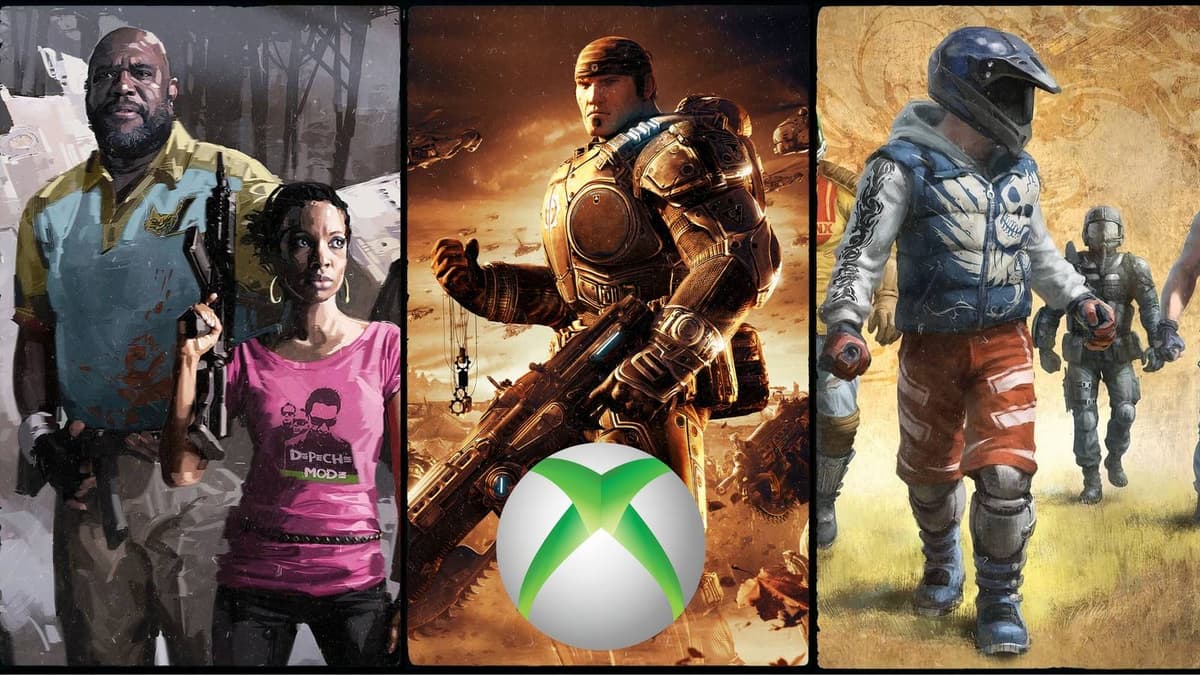
Xbox 360 Games That Made Couch Co-Op Feel Like an Event
•March 10, 2026
0
Companies Mentioned


Why It Matters
Couch co‑op on the 360 set design standards that still shape multiplayer strategies, and its enduring library fuels the retro‑gaming market and informs Xbox’s current co‑op roadmap.
Key Takeaways
- •Kinect Star Wars showcased motion‑control party potential.
- •Halo: Reach proved split‑screen relevance in shooter genre.
- •Gears of War 2 popularized Horde mode for co‑op.
- •Castle Crashers demonstrated indie success on Xbox Live Arcade.
- •Fable III offered deep narrative co‑op before reboot.
Pulse Analysis
When Microsoft launched the Xbox 360, it arrived at a sweet spot of price, online infrastructure, and a thriving marketplace for downloadable content. While titles like Call of Duty dominated the networked arena, the console’s real social glue was its robust local multiplayer offering. Developers leveraged the system’s four‑controller ports and the innovative Kinect sensor to craft experiences that turned living‑room gaming into an event, a trend that resonates with today’s resurgence of party‑style play.
The ten games featured in the roundup each introduced mechanics that rippled through the industry. Kinect Star Wars proved that motion control could be a comedic, accessible party tool, while Halo: Reach reinforced split‑screen’s relevance in high‑octane shooters. Gears of War 2’s Horde mode birthed a co‑op survival archetype now common in live‑service titles. Meanwhile, indie successes like Castle Crashers and Trials Evolution showed that downloadable titles could rival full‑priced releases in replay value, encouraging Microsoft to nurture its Xbox Live Arcade ecosystem. Narrative‑driven co‑op, exemplified by Fable III, demonstrated that story can thrive alongside multiplayer, a lesson echoed in modern RPGs.
The legacy of these couch‑co‑op experiences informs Xbox’s current strategy. The Series X|S continues to support local multiplayer, and the company’s acquisition of studios with strong co‑op pedigrees signals a commitment to social play. Moreover, the retro market’s appetite for 360 titles fuels sales of backward‑compatible hardware and subscription services. By revisiting and re‑imagining these classic co‑op formulas, Xbox can attract both nostalgic veterans and new players seeking shared, in‑person gaming moments.
Xbox 360 Games That Made Couch Co-Op Feel Like an Event
0
Comments
Want to join the conversation?
Loading comments...