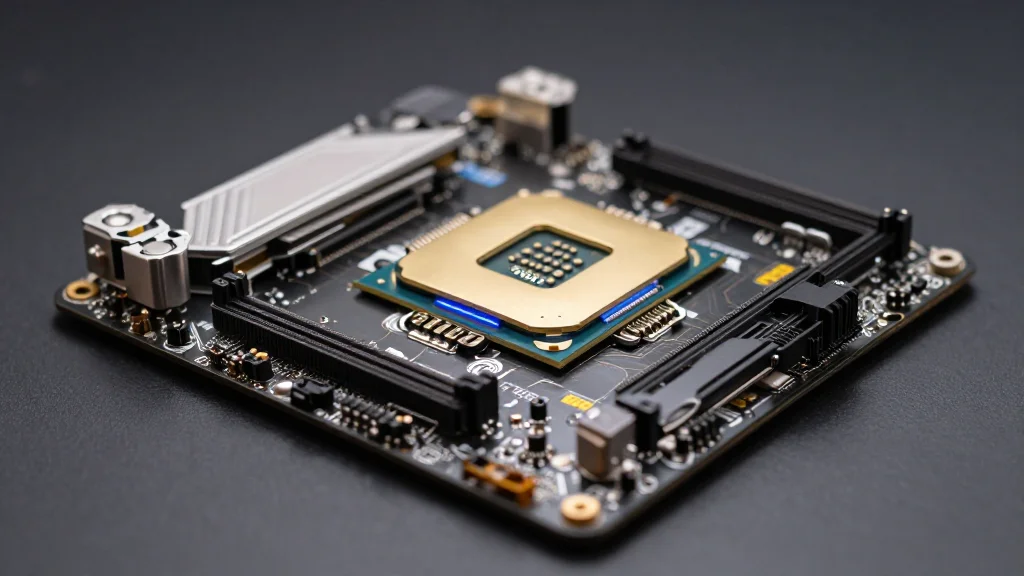
3mdeb Keeps Making Progress On Their Coreboot + AMD openSIL Port To Ryzen MSI Board

Key Takeaways
- •Dasharo Coreboot boots on MSI PRO B850-P WiFi
- •Graphics init works; AMDGPU driver disabled via nomodeset
- •OpenSIL adjustments added for AM5 chipset support
- •Independent port bypasses vendor BIOS constraints
- •Enables Linux-friendly firmware for Ryzen 9000 desktops
Pulse Analysis
Coreboot has become the de‑facto open‑source firmware platform for servers and niche laptops, but its reach into mainstream consumer desktops has lagged behind. 3mdeb’s Dasharo project bridges that gap by pairing Coreboot with AMD’s openSIL silicon‑initialization library, a combination that previously proved viable on EPYC‑based Gigabyte boards. By releasing a fully open firmware stack for the Ryzen 9000 series, the firm showcases how community‑driven code can replace vendor‑locked BIOSes, offering transparency and auditability that traditional firmware cannot match.
The MSI PRO B850‑P WiFi port marks a concrete step forward for Linux enthusiasts seeking a native, open‑source boot environment on a popular AM5 motherboard. Engineers reported successful graphics initialization and the generation of custom ACPI tables tailored for desktop workloads, though the AMDGPU kernel driver remains temporarily disabled via the _nomodeset_ flag. These hurdles are typical when translating proprietary initialization sequences into open code, but the ability to display output at boot demonstrates that the core hardware handshake is functional. OpenSIL tweaks specific to the AM5 socket were required, highlighting the nuanced work needed to support each new chipset generation.
Beyond the technical achievement, the project signals a broader shift toward vendor‑agnostic firmware ecosystems. By decoupling firmware development from motherboard manufacturers, 3mdeb empowers users to adopt hardened, customizable BIOS alternatives without waiting for official support. This could accelerate Linux adoption on Ryzen desktops, improve security postures through community audits, and inspire other firms to open their firmware roadmaps. As more consumer boards gain reliable Coreboot support, the open‑source firmware model may become a competitive differentiator in the PC market, driving innovation and user choice in the years ahead.
3mdeb Keeps Making Progress On Their Coreboot + AMD openSIL Port To Ryzen MSI Board
Comments
Want to join the conversation?