Amazon Returns Incident Reveals New 3D Print Application
Key Takeaways
- •Amazon liquidates “as‑is” returns, enabling counterfeit resale.
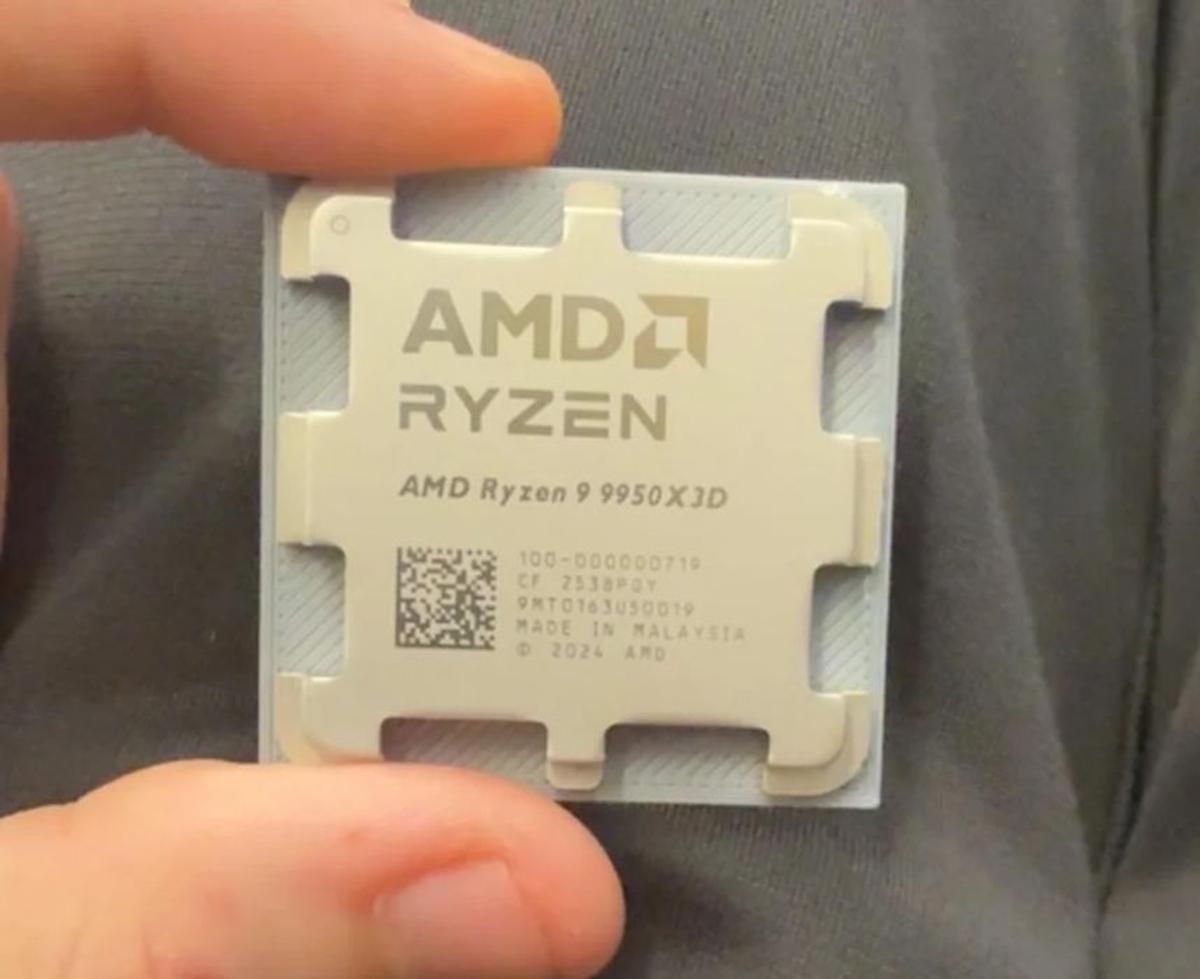
- •Fraudster swapped real CPU with 3D‑printed plastic replica.
- •3D printing now used for sophisticated e‑commerce fraud.
- •Visual inspection alone cannot detect counterfeit components.
- •Retailers may need advanced authentication for returned electronics.
Pulse Analysis
The Reddit‑sourced story of a fake AMD Ryzen CPU underscores how affordable, high‑resolution 3D printers can produce near‑identical replicas of complex hardware. While the printed shell mimics the original’s dimensions and external markings, it lacks any functional silicon, rendering it useless in a PC. This level of fidelity, achieved with desktop polymer printers, signals that counterfeiters can now fabricate convincing fakes without the need for expensive molds or large‑scale manufacturing, expanding the threat surface for electronics retailers.
Amazon’s policy of selling returned items “as‑is” to third‑party buyers is intended to recoup losses on defective or unwanted stock. However, the practice creates an incentive for fraudsters to replace valuable components with cheap imitations before returning the package. Traditional visual checks, which focus on packaging integrity, are insufficient to spot a plastic CPU that looks authentic at a glance. The incident illustrates a gap in supply‑chain security where high‑value components can slip through without electronic testing or serial‑number verification, potentially exposing downstream buyers to costly replacements and eroding confidence in secondary markets.
The broader implication is a call to action for e‑commerce platforms and electronics distributors to adopt more rigorous authentication methods. Techniques such as RFID tagging, blockchain‑based provenance tracking, or on‑site functional testing can help differentiate genuine parts from 3D‑printed counterfeits. As additive manufacturing becomes more accessible, regulators may also consider guidelines for the resale of high‑risk components. Proactive investment in detection technology will be essential to safeguard revenue streams and maintain consumer trust in an increasingly digitized retail ecosystem.
Amazon Returns Incident Reveals New 3D Print Application
Comments
Want to join the conversation?