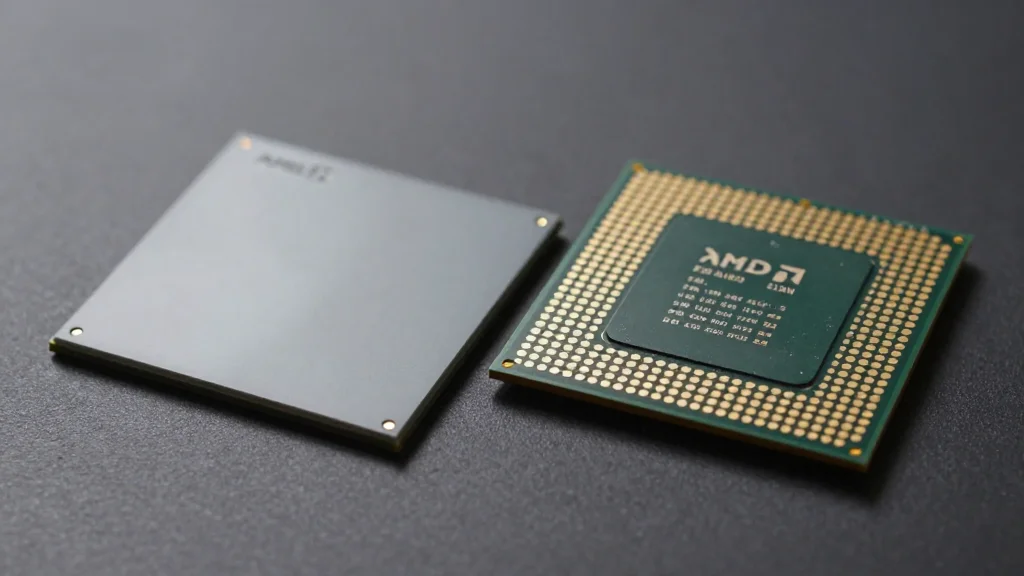
AMD K5 CPUs The Latest To Be Retired With Linux's Aging & Stagnate Hardware Support

Key Takeaways
- •Linux 7.2 drops support for TSC‑less i586/i686 CPUs
- •AMD K5 and Cyrix chips are among the affected processors
- •Removal reduces kernel maintenance and simplifies x86 code paths
- •TSC becomes mandatory for booting modern Linux kernels
- •Legacy hardware users must upgrade or use older kernel versions
Pulse Analysis
The Linux kernel’s decision to retire TSC‑less i586 and i686 processors reflects a broader trend of shedding legacy code that hampers development velocity. Time Stamp Counter (TSC) instructions, introduced with Intel’s Pentium line, provide a reliable high‑resolution timer essential for modern scheduling, power management, and security features. Older CPUs like AMD’s K5, released in 1996, lack this capability, forcing the kernel to maintain parallel code paths that add complexity without serving the majority of users. By consolidating around TSC‑capable hardware, the kernel can focus on optimizing performance and reducing attack surface.
From a developer’s perspective, removing CONFIG_M586 and related non‑TSC branches streamlines the x86 subsystem. Fewer conditional compilations mean a cleaner codebase, easier debugging, and faster integration of new features such as precise time‑keeping and mitigations for side‑channel vulnerabilities. The maintenance savings are significant: each legacy path requires testing across a dwindling pool of hardware, documentation updates, and occasional patches to address obscure bugs. With TSC now a mandatory boot‑time requirement, the kernel can enforce a uniform timing model, improving consistency across distributions and simplifying downstream packaging.
For end‑users, the impact is twofold. Organizations still running legacy workstations—often in industrial control or embedded environments—must either retain an older kernel series or migrate to newer hardware that supports TSC. Virtualization offers a stop‑gap, allowing legacy OS instances to run atop modern hosts that emulate the required timer. However, the long‑term recommendation aligns with industry best practices: upgrade to supported CPUs to benefit from security patches, performance enhancements, and the evolving Linux ecosystem. This retirement marks another milestone in the natural lifecycle of hardware support, reinforcing the importance of proactive infrastructure refresh cycles.
AMD K5 CPUs The Latest To Be Retired With Linux's Aging & Stagnate Hardware Support
Comments
Want to join the conversation?