Big Tech Is Moving Data Out of the Gulf Through Iraqi Oil Pipelines
Key Takeaways
- •Hyperscalers buying capacity on Iraq’s pipeline‑adjacent fiber route.
- •Overland path cuts latency from 150 ms to ~70 ms versus submarine cables.
- •Route can carry about 400,000 simultaneous HD video streams.
- •Dark‑fiber model gives cloud firms full control, no third‑party inspection.
- •Extension to Turkey will create uninterrupted land link to Europe by 2025.
Pulse Analysis
The Gulf’s rapid expansion of hyperscale data centers has turned the region into a critical hub for cloud traffic serving over 190 countries. However, the ongoing conflict has exposed the fragility of traditional submarine routes that snake under the Red Sea and the Strait of Hormuz. When Iranian drones hit Amazon facilities in the UAE and Bahrain, downstream services—from banking apps to enterprise platforms—experienced widespread outages, underscoring the need for alternative pathways that can keep digital commerce flowing.
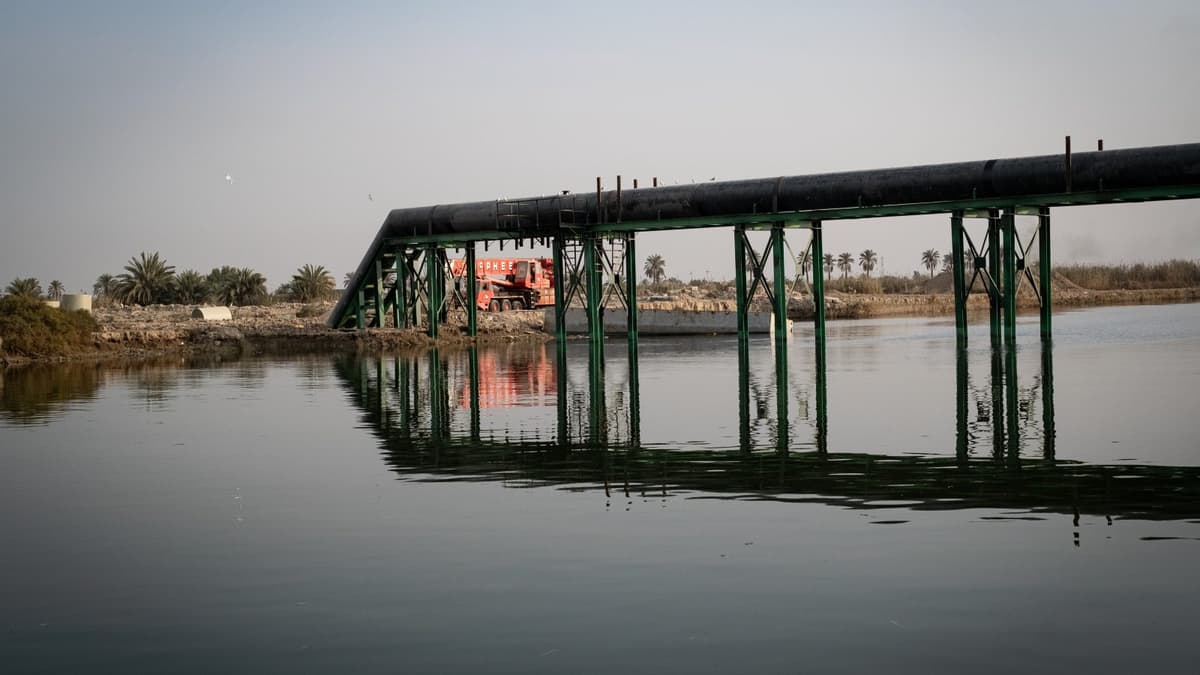
IQ Networks’ Silk Route Transit leverages existing oil‑and‑gas pipeline corridors to lay fiber without the expense of new trenching. Launched in November 2023, the line already supports the equivalent of 400,000 high‑definition video streams and slashes round‑trip latency to roughly 70 milliseconds—almost half the time of sea‑cable routes. Cloud providers are increasingly purchasing "dark fiber," allowing them to install their own equipment, encrypt traffic end‑to‑end, and avoid third‑party oversight, a crucial advantage for firms like Amazon, Google, and Microsoft that prioritize data sovereignty.
The strategic implications are significant. A continuous land corridor from Iraq through Turkey to Europe will give hyperscalers a resilient, low‑latency backhaul that can bypass maritime chokepoints and geopolitical flashpoints. This not only safeguards service continuity for financial transactions, AI workloads, and real‑time communications but also positions the Iraqi‑Turkish corridor as a premium asset in the global telecom infrastructure market. As more providers adopt the route, demand for additional independent paths will rise, potentially spurring further investment in overland fiber across the Middle East.
Big Tech is moving data out of the Gulf through Iraqi oil pipelines
Comments
Want to join the conversation?