BrainChip Expands AI Ecosystem with Strategic Software Partners
Key Takeaways
- •MulticoreWare to create edge‑optimized models for Akida AKD1500.
- •P‑Product will port custom AI models to Akida MCU platforms.
- •BeEmotion.ai focuses on low‑power, sophisticated edge AI use cases.
- •New software library expands Akida‑ready model ecosystem.
- •Joint go‑to‑market events will accelerate developer adoption.
Pulse Analysis
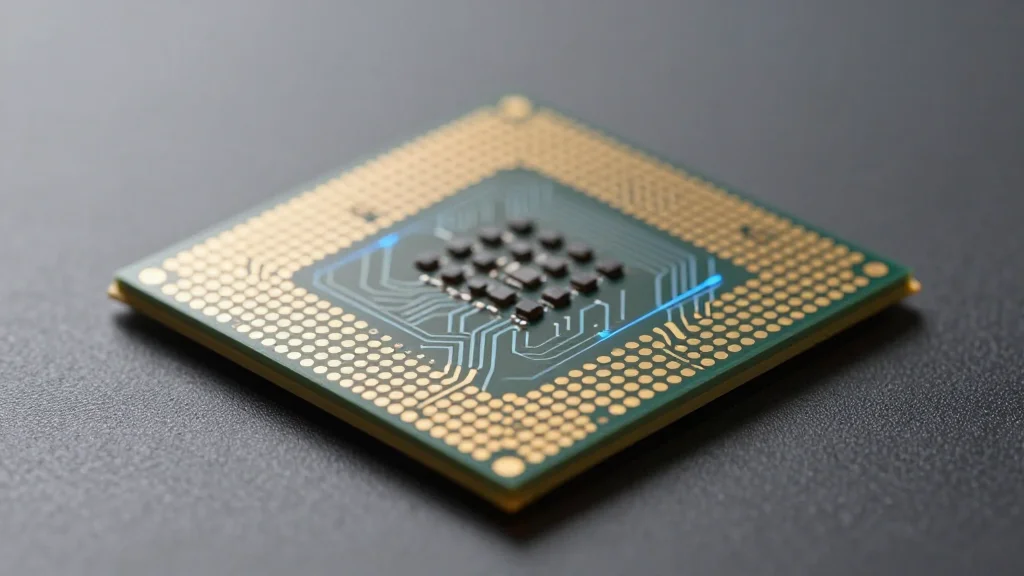
BrainChip’s Akida processor has long been a niche leader in neuromorphic computing, offering event‑driven inference that mimics brain activity while consuming a fraction of the power of traditional AI chips. As edge AI deployments surge—driven by autonomous vehicles, smart factories, and wearable devices—companies are hunting for processors that can deliver high‑throughput analytics without draining batteries. Akida’s architecture, built on fully digital, event‑based processing, directly addresses this demand, but its market traction hinges on a robust software ecosystem that can translate diverse models into hardware‑ready formats.
The newly announced partnerships bring complementary expertise to the Akida platform. MulticoreWare contributes cross‑platform optimization tools that streamline model execution across CPUs, GPUs, and dedicated accelerators, ensuring developers can extract maximum performance from the AKD1500. P‑Product specializes in porting custom AI workloads to microcontroller environments, a critical capability for OEMs embedding intelligence into constrained devices. Meanwhile, BeEmotion.ai adds a layer of sophisticated, low‑power model development focused on real‑world edge use cases such as emotion detection and sensor fusion. Together, these collaborators will produce a library of pre‑validated, Akida‑compatible models, supported by webinars, videos, and podcasts that lower the learning curve for engineers.
Strategically, the expanded ecosystem strengthens BrainChip’s position against rivals like NVIDIA’s Jetson and Google’s Edge TPU, which rely heavily on conventional deep‑learning frameworks. By offering a turnkey stack—from silicon to ready‑to‑deploy models—BrainChip can attract developers seeking ultra‑efficient inference for battery‑limited applications. The joint go‑to‑market initiatives also signal confidence in the platform’s commercial viability, potentially accelerating adoption across aerospace, robotics, and consumer wearables. As the edge AI market is projected to exceed $30 billion by 2030, BrainChip’s ecosystem play could translate into significant revenue growth and broader industry influence.
BrainChip Expands AI Ecosystem with Strategic Software Partners
Comments
Want to join the conversation?