CHUWI CoreBook Air Plus 16 Review – Part 3: Ubuntu 25.10 on a Mid-Range AMD Ryzen 5 6600H Laptop
Key Takeaways
- •Ubuntu 25.10 installs cleanly; 26.04 daily fails.
- •Linux idle power lower than Windows, extending battery life.
- •CPU throttles at ~95°C under full load, limiting performance.
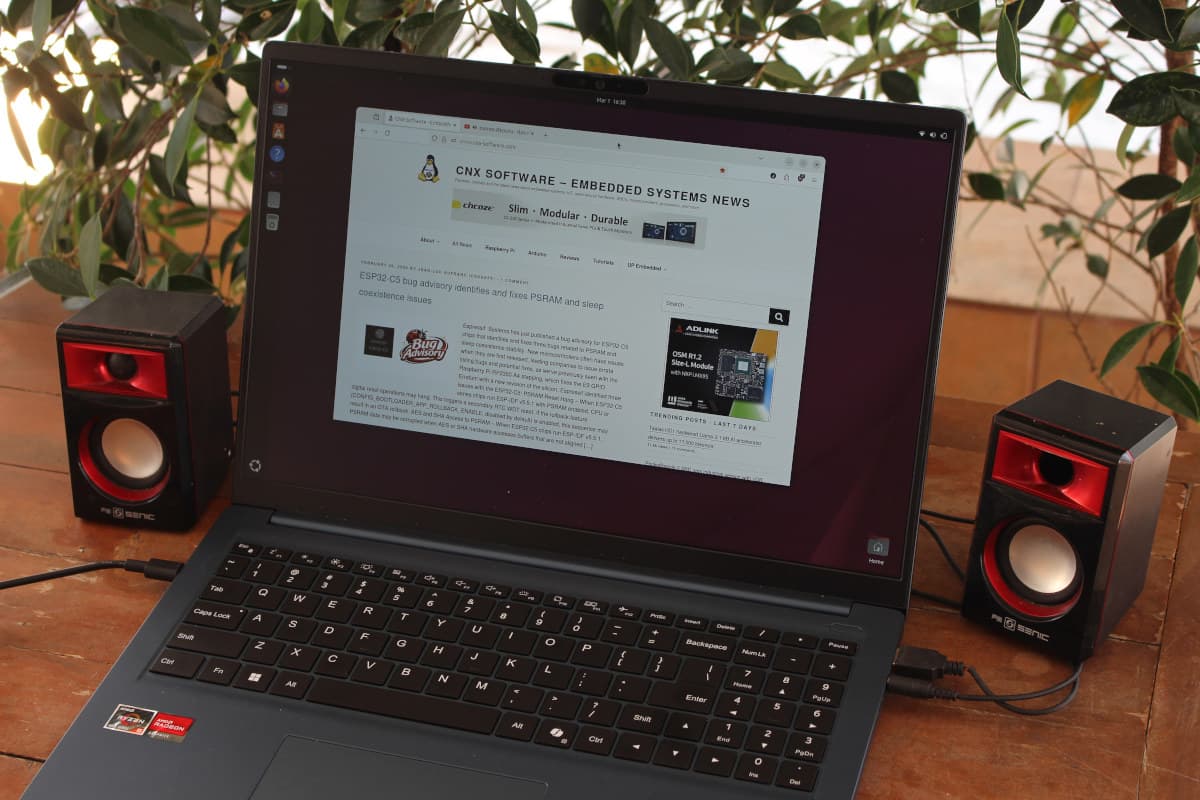
- •Internal speakers unsupported; audio works via jack, HDMI, Bluetooth.
- •Wi‑Fi 6 delivers ~900 Mbps; USB‑C Gen2 reaches ~900 MB/s
Pulse Analysis
Linux adoption on mid‑range AMD laptops has accelerated as developers look for cost‑effective, high‑performance machines. The CoreBook Air Plus 16 illustrates how Ubuntu 25.10 can be installed without the hiccups that plagued the newer 26.04 daily build, thanks to a stable installer and solid driver stack for the Ryzen 5 6600H and Radeon 680M graphics. Compatibility with the laptop’s Wi‑Fi 6 module, USB‑C Gen2 ports, and NVMe SSD demonstrates that Ubuntu now supports the full range of modern I/O standards, reducing the need for work‑arounds that once limited Linux‑first deployments.
Performance metrics reveal a balanced but not class‑leading profile. Geekbench scores sit comfortably within the expectations for a 12‑thread, 4.5 GHz mobile CPU, while memory bandwidth and GPU scores lag behind higher‑tier competitors. The system’s power envelope, however, is tighter under Linux: idle draw hovers around 7.5 W, extending battery life to just over four hours in mixed use—slightly better than the Windows baseline. Thermal throttling becomes evident once temperatures breach the mid‑90s Celsius, causing the CPU frequency to dip and fan noise to rise, a factor that power users must consider for sustained workloads.
From a user‑experience perspective, the CoreBook Air Plus 16 delivers most of its advertised features on Ubuntu. Video playback at 4K and 8K is smooth for AV1 content, USB‑C ports achieve near‑native SSD speeds, and Wi‑Fi 6 consistently hits 900 Mbps. The primary drawback remains the lack of driver support for the internal Conexant audio codec, forcing reliance on external outputs. Nonetheless, the laptop’s overall Linux readiness, combined with competitive pricing, positions it as a compelling option for developers, students, and remote workers seeking a portable, Linux‑optimized workstation.
CHUWI CoreBook Air Plus 16 review – Part 3: Ubuntu 25.10 on a mid-range AMD Ryzen 5 6600H laptop
Comments
Want to join the conversation?