Discrete Graphics: From Saviour of the PC Industry, Through NVIDIA’s Protein Shake, to the Victim of Software, AI Factories, and Agents | Preface to Computex 2026
Key Takeaways
- •NVIDIA now markets AI infrastructure, not just graphics cards
- •GPUs serve as compute bricks in data‑center AI factories
- •Gaming hardware loses strategic priority to AI workloads
- •Software ecosystem (CUDA, Omniverse) locks customers into NVIDIA stack
- •PC enthusiasts must refocus on core components amid AI dominance
Pulse Analysis
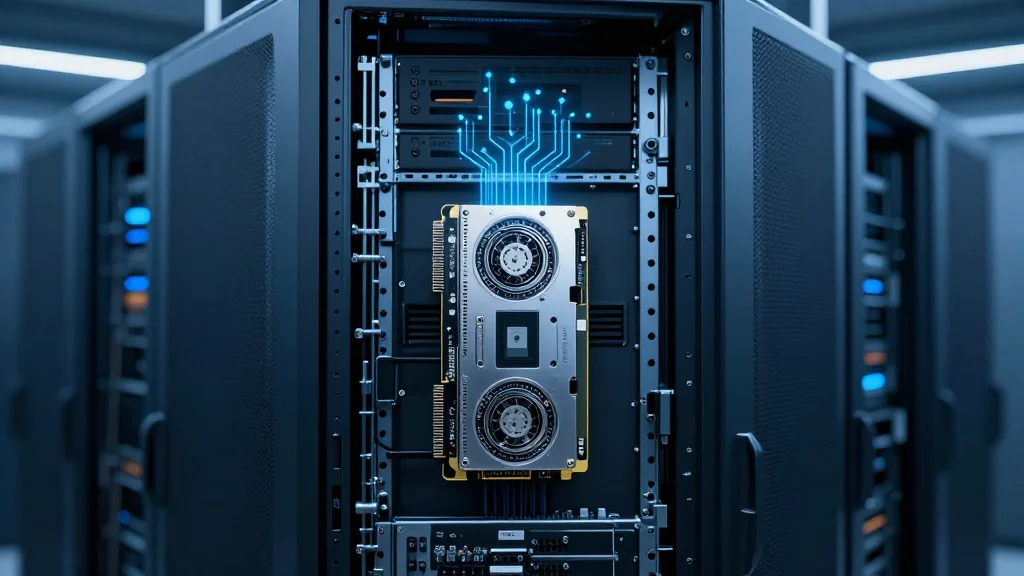
The GPU’s journey from a pure graphics accelerator to a universal compute engine has culminated at Computex 2026, where NVIDIA framed its hardware as the backbone of AI factories. Early milestones—GeForce 256’s T&L, the 2006 CUDA launch—blurred the line between rendering and parallel processing, turning GPUs into programmable silicon. Today, the company’s messaging centers on end‑to‑end AI solutions, from data‑center training clusters to edge agents, with the GPU portrayed as a steel beam supporting a software‑rich stack. This evolution reflects a broader industry trend where hardware value is increasingly derived from the ecosystems that surround it.
For the market, this strategic realignment has tangible consequences. Data‑center demand now dictates silicon roadmaps, influencing wafer allocations, memory pricing and cooling requirements. As hyperscalers prioritize token‑cost efficiency, NVIDIA’s pricing elasticity shifts away from the traditional upgrade‑cycle model that gamers once drove. Component manufacturers—board makers, memory suppliers, power‑supply firms—must align their product lines with AI‑optimized specifications, while the consumer‑grade gaming segment faces slower generational leaps and potentially higher price premiums for marginal graphics gains.
Looking ahead, the PC’s identity will hinge on its ability to host localized AI workloads rather than merely deliver high frame rates. Integrated compute packages that combine GPUs, NPUs and specialized accelerators, paired with tightly coupled software stacks, will become the norm for edge devices and enthusiast rigs alike. For hobbyists and hardware analysts, the real value now lies in scrutinizing the underlying components—cooling solutions, power delivery, memory bandwidth—that enable these AI‑centric designs. Understanding this shift is essential for anyone navigating the evolving landscape where the GPU is no longer a standalone product but a critical node in a larger, software‑driven ecosystem.
Discrete Graphics: From Saviour of the PC Industry, through NVIDIA’s Protein Shake, to the Victim of Software, AI Factories, and Agents | Preface to Computex 2026
Comments
Want to join the conversation?