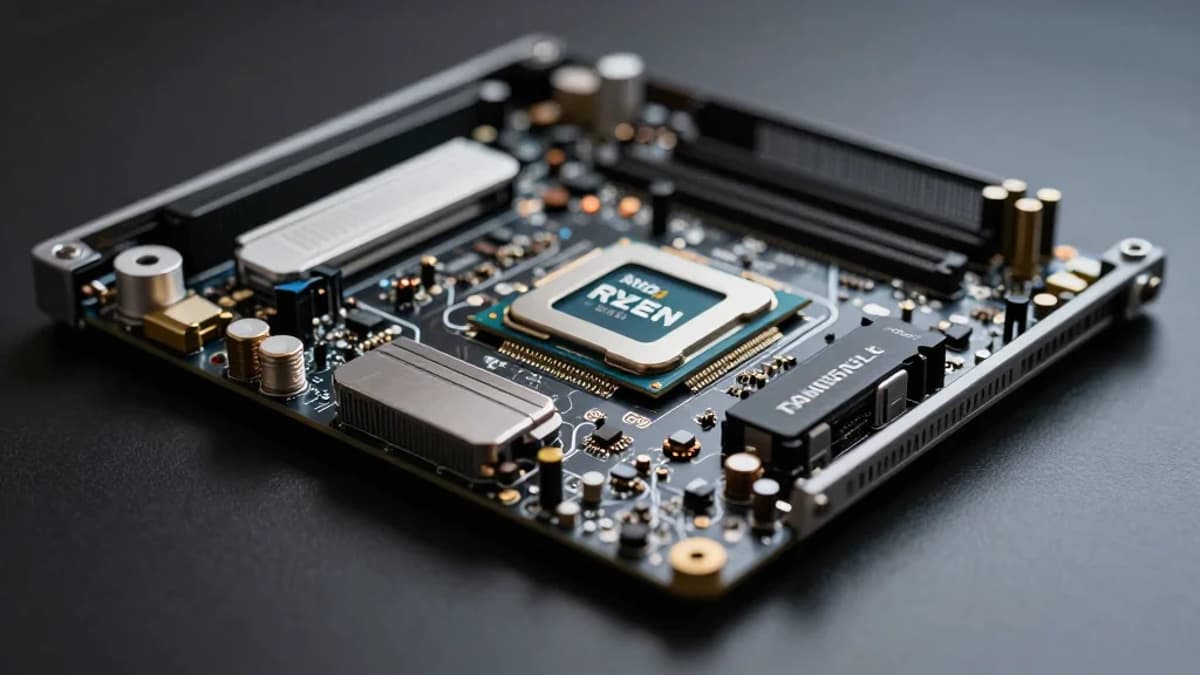
Framework 16 Gen1 Seeing Coreboot + AMD openSIL Port, Framework 13 AMD Gen1 To Follow
•March 2, 2026
0

Why It Matters
Open‑source firmware on mainstream AMD laptops lowers reliance on proprietary BIOS, enhancing security, customization, and Linux compatibility. This accelerates broader adoption of Coreboot across consumer and enterprise devices.
Key Takeaways
- •9elements ports Coreboot with AMD openSIL to Framework 16
- •Memory training and early init remain major challenges
- •Future support planned for Framework 13 Gen1 Ryzen 7000
- •AMD openSIL integration may extend to upcoming Strix Point
- •3mdeb also advancing Coreboot openSIL on AMD EPYC boards
Pulse Analysis
The push to bring Coreboot together with AMD's openSIL library to Framework laptops marks a pivotal shift toward fully open‑source firmware on mainstream consumer hardware. By replacing proprietary UEFI implementations, developers can offer deeper system transparency, faster boot times, and tighter security controls—features especially prized by enterprise IT and Linux enthusiasts. The current focus on the Ryzen 7000 "Phoenix" SoCs involves embedding openSIL's silicon initialization routines directly into Coreboot, a complex task that demands precise memory training and early‑stage hardware bring‑up.
Beyond the immediate technical hurdles, this effort signals a broader industry trend where chipset vendors like AMD are opening their firmware interfaces to the community. OpenSIL's maturation for Zen 6 platforms promises a unified, vendor‑agnostic path for firmware developers, reducing fragmentation and fostering innovation. The collaboration between 9elements and 3mdeb, which is also targeting AMD EPYC server boards and AM5 desktop platforms, illustrates how open‑source firmware can span from laptops to data‑center hardware, potentially reshaping firmware economics and support models.
For end users, the eventual availability of Coreboot on Framework's 16 and 13 models could translate into longer device lifespans, easier OS installations, and enhanced privacy through verified boot chains. Enterprises may see reduced licensing costs and greater control over firmware updates, aligning with zero‑trust strategies. As the openSIL ecosystem expands, we can anticipate a ripple effect that encourages other OEMs to adopt similar open‑firmware solutions, driving competition and accelerating the move away from closed‑source BIOS ecosystems.
Framework 16 Gen1 Seeing Coreboot + AMD openSIL Port, Framework 13 AMD Gen1 To Follow
0
Comments
Want to join the conversation?
Loading comments...