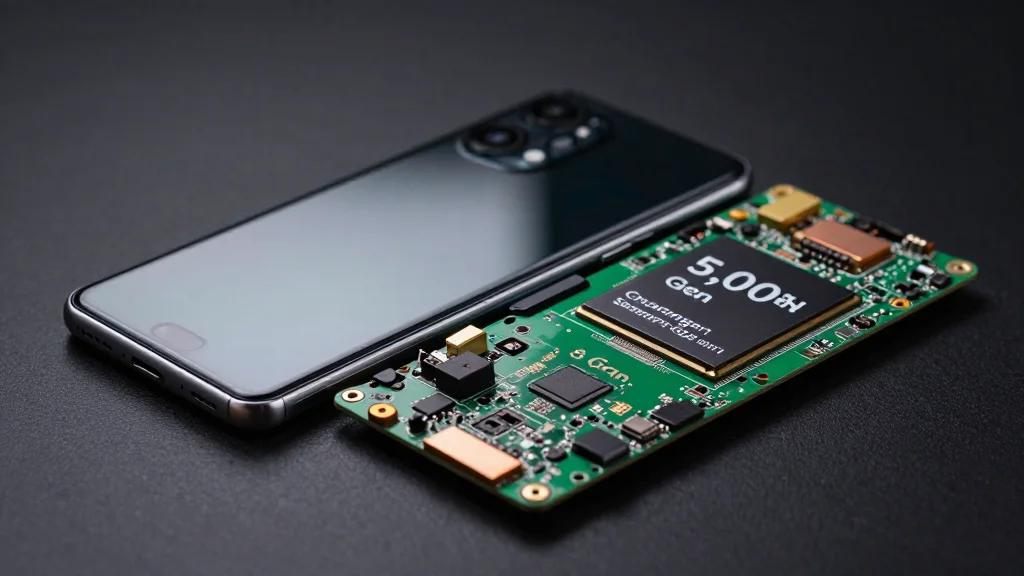
Galaxy S26 Ultra Teardown: Amazing… Until It Breaks
Key Takeaways
- •Glass back prone to cracks
- •Repair cost likely exceeds $300
- •Battery module hard to replace
- •Heat management challenges persist
- •Teardown videos sway resale values
Pulse Analysis
Smartphone teardowns have become a critical source of information for both consumers and industry analysts. By stripping down the Galaxy S26 Ultra, reviewers expose the engineering choices Samsung made to pack a Snapdragon 8 Gen 3 processor, a 200‑megapixel sensor, and a 6.8‑inch AMOLED display into a thin chassis. The device’s premium materials—Gorilla Glass Victus 2 on both front and back—contribute to a sleek feel but also introduce vulnerability; even minor drops can shatter the glass, compromising internal components. Moreover, the dense layout, with the battery, cooling pipes, and camera modules tightly integrated, reflects a design philosophy that prioritizes performance over modularity.
From a repair perspective, the Galaxy S26 Ultra scores low on the iFixit scale, primarily because components are glued rather than screwed, and proprietary fasteners limit access. Replacing the 5,000 mAh battery or the main camera module may require specialized tools and can cost upwards of $300, a figure that rivals the price of a mid‑range new phone. This complexity fuels the growing debate around the right‑to‑repair movement, as consumers demand more serviceable devices while manufacturers push for slimmer, more integrated designs. Third‑party repair shops must weigh the economics of investing in the necessary equipment against the potential revenue from high‑ticket repairs.
The market implications are significant. Teardown videos often influence buyer perception, especially among power users who value longevity and repair options. A reputation for fragility can depress resale values, while robust after‑market support can enhance brand loyalty. Samsung’s decision to balance flagship performance with limited serviceability may push competitors to differentiate either through more durable builds or by offering comprehensive repair programs. As the premium smartphone segment tightens, manufacturers that transparently address repairability could capture a niche of discerning consumers, shaping the competitive landscape for years to come.
Galaxy S26 Ultra Teardown: Amazing… Until It Breaks
Comments
Want to join the conversation?