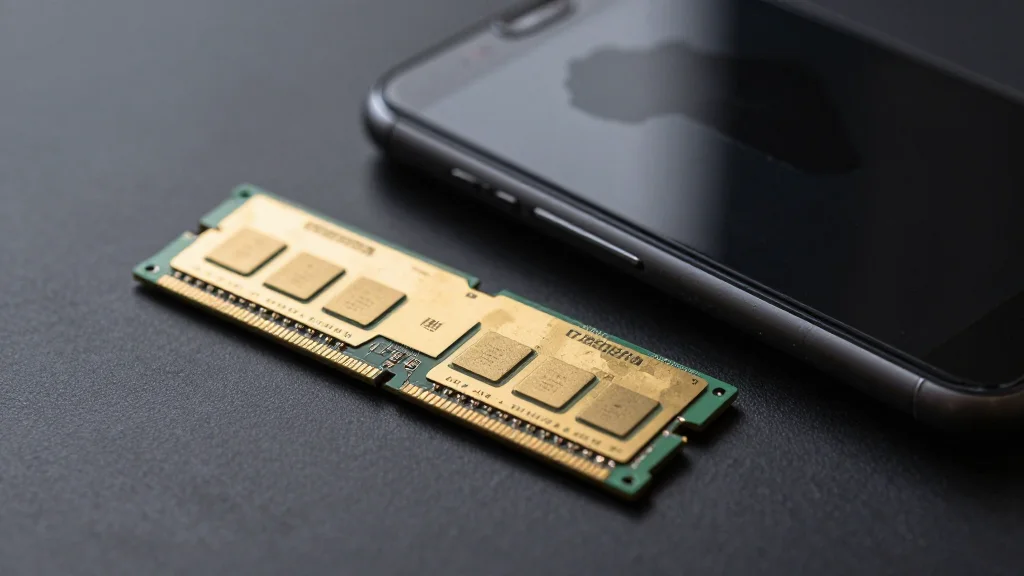
How Is the RAM Crisis Impacting Emerging Markets?
Key Takeaways
- •Low‑end smartphones dominate 77% of MEA sales under $200
- •IDC forecasts 21% smartphone market shrink in MEA for 2026
- •Vendors may cut specs or raise prices, driving refurbished phone demand
- •Local African assembly cushions RAM shortage but cannot stop price hikes
- •AI‑specific chips like Google TPU could ease RAM demand long term
Pulse Analysis
The current RAM crisis stems from an unprecedented surge in AI training workloads, which require massive memory bandwidth. As hyperscalers stockpile DRAM to keep GPUs fed, manufacturers have redirected consumer‑grade chips to meet enterprise demand, leaving a thin supply for smartphones and other low‑margin devices. Prices for DRAM have risen sharply, inflating the bill‑of‑materials for even the most basic handsets. This pressure is amplified in emerging economies where the average device price hovers around $236‑$349, well below the global $458 average, making any cost increase disproportionately painful.
In regions such as Africa, the Middle East and Latin America, low‑cost phones constitute the bulk of sales—often under $200. IDC warns that the MEA market could contract by 21% in 2026, a decline far steeper than the 13% global dip. Consumers cannot absorb a $100‑$150 price jump on a $100‑$200 device, prompting a shift toward refurbished phones and creative workarounds like salvaging RAM from used units. Vendors are already trimming specifications—smaller batteries, plastic housings, lower‑resolution displays—to preserve price points, but many predict that sub‑$200 models may become economically unviable, squeezing the segment that fuels digital inclusion.
Long‑term mitigation may come from purpose‑built silicon. Companies are increasingly turning to AI‑specific accelerators, such as Google’s Tensor Processing Units, which bypass traditional DRAM needs for training workloads. Simultaneously, domestic chip initiatives in Africa—like Kenya’s STL etching older‑generation wafers—aim to localize supply chains and reduce reliance on imported memory. While these solutions will take at least a year to materialize, they offer a pathway to shield emerging markets from future memory shocks and preserve affordable connectivity.
How is the RAM Crisis impacting emerging markets?
Comments
Want to join the conversation?