How to Survive the (Most Recent) Hardware Crunch
•February 27, 2026
0
Why It Matters
Escalating memory costs strain both consumers and manufacturers, accelerating a shift toward refurbishment and DIY repairs that could reshape the hardware market. Adopting these tactics helps users stay productive while supply chains recover.
Key Takeaways
- •RAM prices have tripled in months
- •Refurbished hardware avoids inflated prices
- •Shucking external drives yields cheap internal SSDs
- •Upgradeable laptops extend device lifespan
- •Price alerts speed up part acquisition
Pulse Analysis
The current hardware crunch stems from an unprecedented AI‑driven appetite for memory, forcing RAM prices to triple within a few months. Datacenters are outpacing traditional supply chains, creating bottlenecks that ripple through consumer markets and delay product launches. This scarcity not only inflates costs for gamers and professionals but also threatens the financial stability of component manufacturers, prompting analysts to warn of potential bankruptcies. Understanding the macro forces behind the shortage helps businesses anticipate price volatility and plan procurement strategies accordingly.
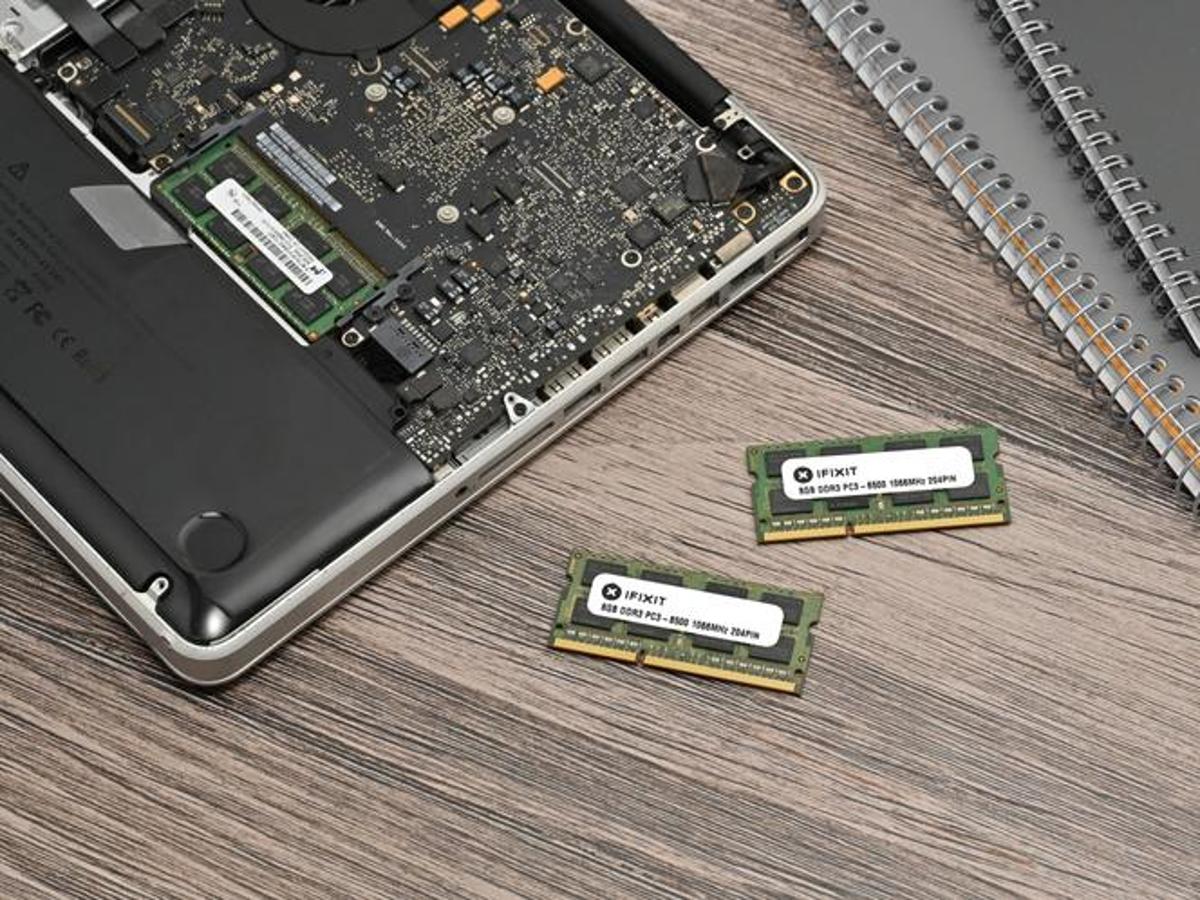
In response, iFixit promotes a repair‑first mindset that leverages refurbished and used components to sidestep inflated new‑hardware prices. Certified refurbishers such as Back Market and OEM outlets provide reliable alternatives, while savvy shoppers can harvest functional parts from donor devices on platforms like eBay. Prioritizing upgradeable systems—e.g., laptops with removable SO‑DIMM slots—extends device lifecycles and reduces dependence on volatile new‑part markets. Tools like price‑alert services and community forums further empower users to act quickly when opportunities arise, reinforcing a sustainable, cost‑effective ecosystem.
One practical tactic gaining traction is "shucking"—extracting internal drives from external enclosures to obtain high‑capacity storage at a fraction of the cost. While most 3.5‑inch external drives use standard SATA interfaces, buyers must verify connector types and address quirks such as the 3.3 V power pin issue. Preference for Conventional Magnetic Recording (CMR) over Shingled Magnetic Recording (SMR) ensures reliability in NAS or server builds. As datacenter expansion plateaus, supply is expected to normalize, but the repair‑centric approaches highlighted here will likely remain valuable tools for navigating future hardware disruptions.
How to Survive the (Most Recent) Hardware Crunch
0
Comments
Want to join the conversation?
Loading comments...