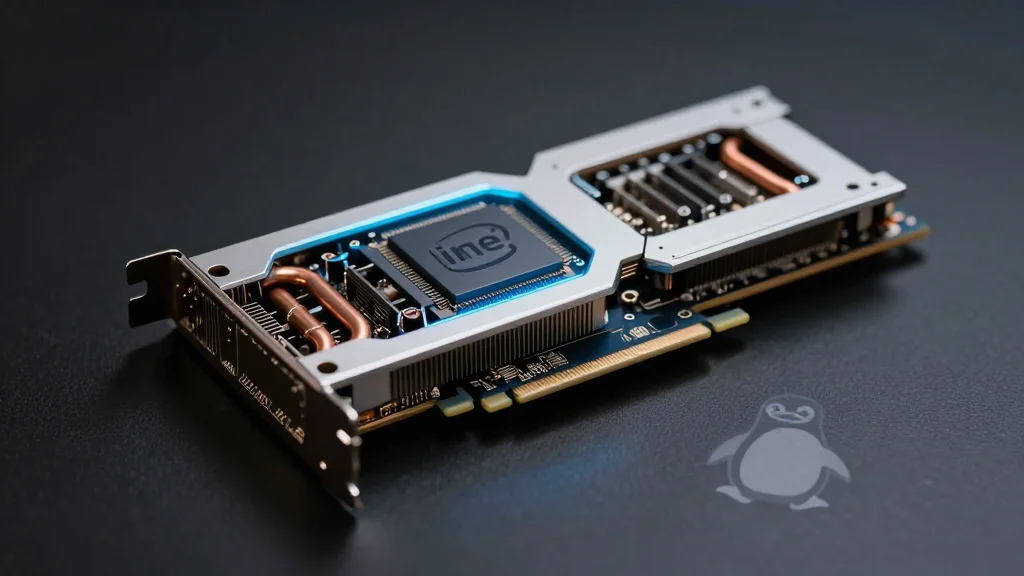
Jay: A New Open-Source Shader Compiler Being Developed For Intel GPUs

Key Takeaways
- •Jay targets Intel Xe2 GPUs initially
- •SSA-based design similar to ACO, NAK
- •Instruction count halved vs BRW in test
- •Passes OpenGL ES 3.0 and OpenCL 3.0
- •Runtime drops from 19.9s to 7s
Pulse Analysis
Intel’s Linux graphics ecosystem has long relied on the BRW shader compiler within Mesa, a solution that, while functional, shows its age against modern GPU architectures. The industry’s shift toward unified, high‑performance drivers—driven by the rise of Vulkan and the growing demand for Linux gaming—has exposed the limitations of legacy compilation pipelines. By introducing a fresh, SSA‑centric back‑end, Intel signals a strategic move to modernize its graphics stack, aligning with contemporary compiler designs such as ACO and NAK and ensuring tighter integration with the open‑source community.
Jay’s architecture leverages a fully SSA representation and a Colombet register allocator, enabling it to navigate Intel’s intricate register region constraints more efficiently than its predecessor. Early performance data is striking: a complex CTS shader compiled with Jay produced 6,768 instructions versus 12,980 from BRW, translating to a 65% reduction in execution time. This efficiency not only shortens compile cycles for developers but also delivers tangible frame‑rate improvements in real‑world applications, especially on Xe2 silicon where the compiler’s optimizations are most effective.
The broader impact of Jay extends beyond raw numbers. By delivering an open‑source compiler that meets OpenGL ES 3.0 and OpenCL 3.0 conformance, Intel empowers developers to experiment without proprietary barriers, fostering a richer ecosystem of Linux‑based games and compute workloads. As Vulkan support matures, Jay could become the cornerstone of Intel’s driver strategy, potentially narrowing the performance gap with competing GPUs and reinforcing Linux’s position as a first‑class platform for high‑performance graphics. The project’s rapid progress suggests that, within the next few releases, developers and end‑users alike will experience a more responsive and capable Intel graphics experience on Linux.
Jay: A New Open-Source Shader Compiler Being Developed For Intel GPUs
Comments
Want to join the conversation?