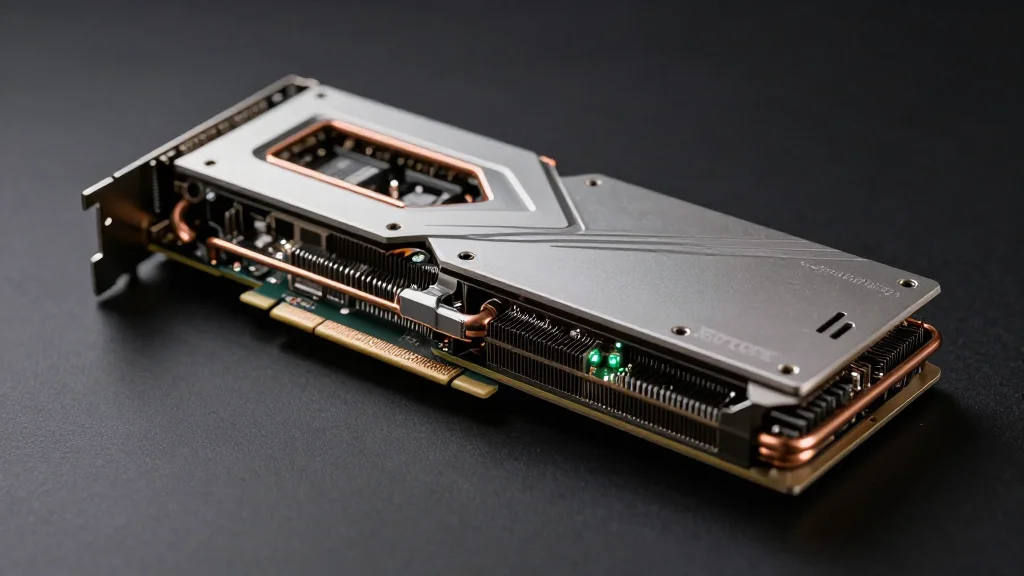
Linux 7.0 Lands Fix For Years Old Bug Affecting AMD Hainan GPUs

Key Takeaways
- •Linux 7.0 includes fix for AMD Hainan GPU hangs
- •Patch adds device IDs 0x6660, 0x666F to shader clock rule
- •Fix applies to both Radeon and AMDGPU drivers
- •Back‑ported to stable kernels for older releases
- •Resolves issue present since Linux 5.4 on GCN 1.0 GPUs
Pulse Analysis
AMD’s first‑generation GCN 1.0 graphics architecture, codenamed “Southern Islands,” still powers a range of legacy laptops and desktops. While newer GPUs have moved to RDNA, many enterprises continue to rely on the cost‑effective Radeon R5 M430 and similar chips for point‑of‑sale systems, thin clients, and embedded devices. The Linux kernel’s dual‑driver model—legacy Radeon and the newer AMDGPU—has historically provided broad compatibility, but subtle hardware quirks can linger for years, especially when they only manifest under specific performance states.
The underlying problem was a shader‑clock timing mismatch that caused the Hainan GPUs to hang when the driver raised the GPU to its high‑performance level. The issue first appeared in kernel 5.4 and persisted across subsequent releases, escaping resolution for nearly three years. Developers finally addressed it with a concise patch that adds the 0x6660 and 0x666F device identifiers to an existing shader‑clock workaround, ensuring the GPU’s clock stays within safe limits. By applying the change to both the Radeon and AMDGPU drivers, the fix eliminates the hang without altering broader performance characteristics, offering a clean, low‑risk solution.
From a strategic perspective, the timely back‑port of this patch to stable kernel branches underscores the Linux community’s commitment to hardware longevity. Organizations that have deferred hardware refresh cycles can now maintain operational stability without costly upgrades. Moreover, the episode highlights the importance of continuous kernel maintenance for niche hardware segments, reinforcing Linux’s reputation as a resilient platform for diverse enterprise environments.
Linux 7.0 Lands Fix For Years Old Bug Affecting AMD Hainan GPUs
Comments
Want to join the conversation?