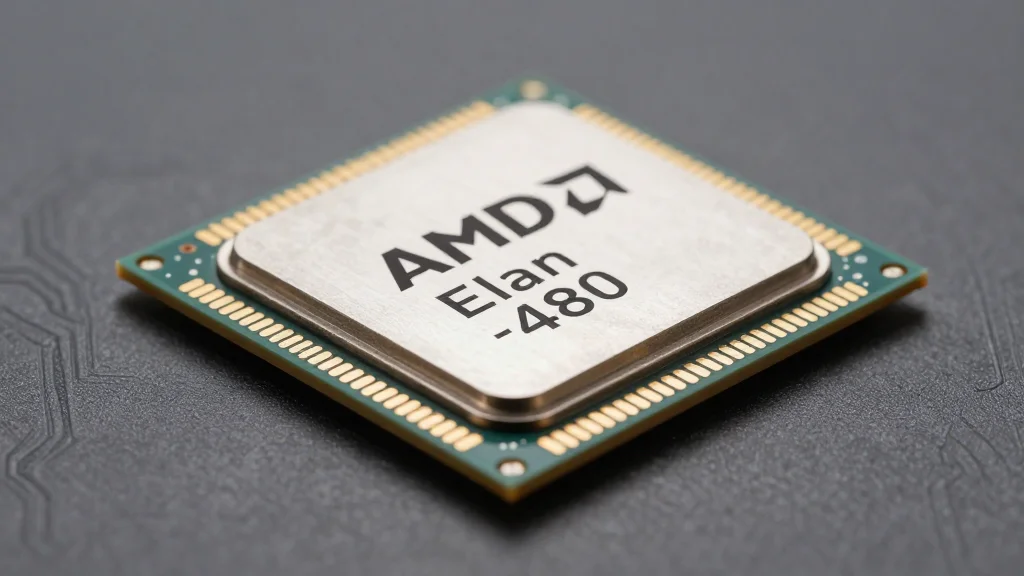
Linux Drivers For The AMD Elan SoCs From The 1990s On Track For Retirement

Key Takeaways
- •Linux 7.1 removed i486 compile options, paving way for driver removal
- •AMD Elan drivers, based on 1990s Am486, slated for deletion in 7.2
- •Legacy i486 systems must stay on LTS kernels like Linux 6.18
- •AMD Geode support also orphaned, but code remains until further decay
Pulse Analysis
The Linux kernel’s evolution is a balancing act between embracing new hardware and shedding legacy baggage. By eliminating i486 compile flags in the 7.1 cycle, maintainers have already signaled that the era of 1990s‑era processors is over. The AMD Elan series—once popular in embedded devices for their Am486‑based architecture—now sits on the brink of removal, a move that aligns the kernel’s codebase with modern development priorities and reduces the surface area for bugs.
For developers and system integrators, the practical impact is clear: any production environment still dependent on AMD Elan or similar i486‑class chips must transition to a Long‑Term Support kernel, such as Linux 6.18, or consider alternative platforms. Maintaining custom patches for obsolete drivers is costly and can introduce security liabilities. By pruning these drivers, the kernel community can allocate more resources to active architectures, improving performance, security audits, and feature development for contemporary workloads.
This driver retirement is part of a broader trend of de‑orphaning aging code. While AMD Geode support is being labeled as orphaned, its source remains in the tree until it becomes untenable, illustrating a measured approach to legacy code removal. The net effect is a leaner, more maintainable kernel that better serves today’s cloud, edge, and AI workloads, while still offering a clear migration path for the few legacy users who remain.
Linux Drivers For The AMD Elan SoCs From The 1990s On Track For Retirement
Comments
Want to join the conversation?