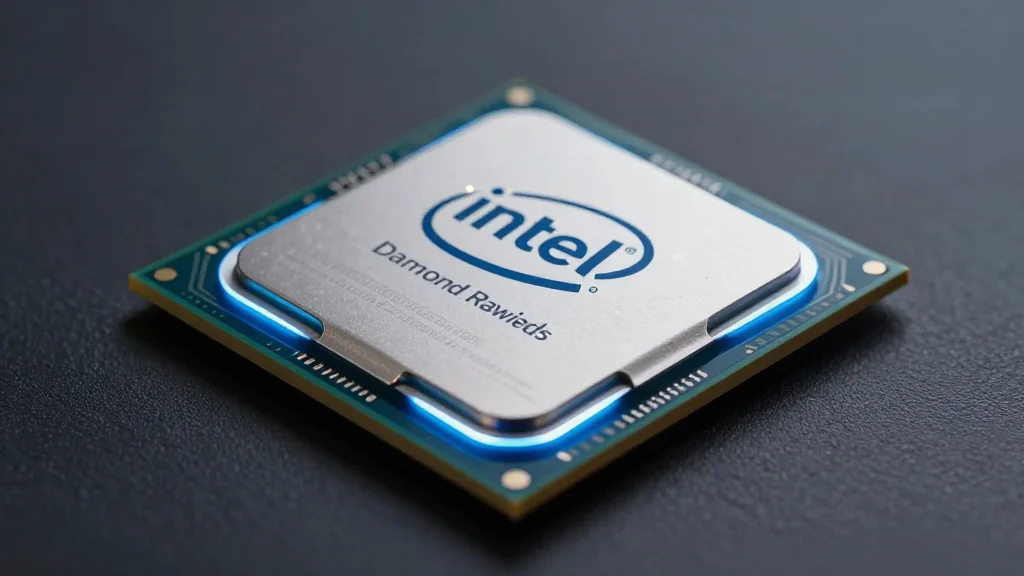
Linux Enables Auto Counter Reload "ACR" For Intel Xeon Diamond Rapids

Key Takeaways
- •Linux 7.1-rc3 includes one‑liner patch enabling ACR on Diamond Rapids
- •Auto Counter Reload automatically resets counters when event thresholds are met
- •Low‑overhead monitoring reduces interrupt load on high‑performance servers
- •Feature back‑ported to stable kernels, extending benefits to existing deployments
- •ACR first appeared on Clearwater Forest CPUs, now expanding to Xeon line
Pulse Analysis
Performance monitoring is a cornerstone of modern data‑center operations, and the Linux perf subsystem has long been the go‑to framework for developers seeking granular insight. By integrating Auto Counter Reload (ACR) into the kernel, Linux now offers a mechanism that automatically refreshes hardware counters as soon as a specified event threshold is reached. This eliminates the need for frequent software‑driven reads, cutting interrupt traffic and preserving CPU cycles for primary workloads. The move aligns with a broader industry push toward observability tools that impose negligible performance penalties.
ACR debuted on Intel’s Clearwater Forest CPUs, where early adopters reported up to a 30% reduction in profiling overhead for high‑frequency events. Extending the feature to the upcoming Xeon Diamond Rapids (codenamed DMR) is significant because these processors target hyperscale and enterprise workloads that demand both raw compute power and precise performance tuning. The patch, a concise one‑liner, activates ACR by addressing a unique condition in Diamond Rapids that previously prevented the generic ACR code path from engaging. As a result, developers can now leverage the same low‑latency counter management on the newest Xeon silicon without waiting for a major kernel release.
The timing of the back‑port to stable kernel branches ensures that production environments can adopt ACR without disrupting existing upgrade cycles. For cloud providers and large‑scale HPC facilities, the ability to monitor and react to micro‑architectural events in real time translates into better resource utilization and lower energy costs. Moreover, the inclusion of ACR in the mainstream Linux tree reinforces the open‑source ecosystem’s role in delivering cutting‑edge performance features ahead of proprietary alternatives, positioning Linux as the preferred OS for next‑generation Intel server deployments.
Linux Enables Auto Counter Reload "ACR" For Intel Xeon Diamond Rapids
Comments
Want to join the conversation?