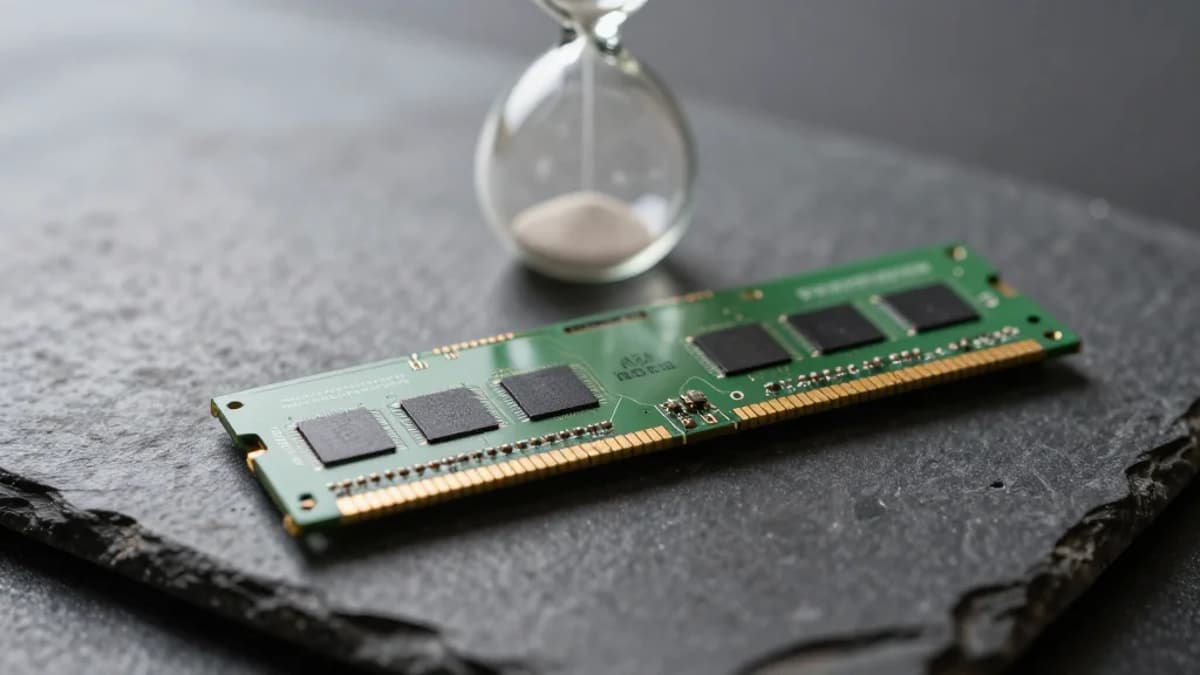
Memory Makers Shift to Hourly Contracts as AI Demand Continues to Climb
•March 4, 2026
0
Key Takeaways
- •Memory makers now quote DRAM prices hourly
- •Large cloud, auto, smartphone firms retain priority pricing
- •SMEs face cash flow strain from hourly price volatility
- •Prepayments may become mandatory for DRAM shipments
- •Faster settlements could compress OEM profit margins
Summary
Memory manufacturers such as SK hynix, Samsung and Micron have moved to hourly DRAM pricing contracts, forcing OEMs to secure quotes within a single hour. The shift reflects soaring AI‑driven demand that makes prices fluctuate by the hour, prompting faster settlement cycles. Large cloud providers, automakers and top smartphone makers retain priority access and negotiate better terms, while over 190,000 SMEs confront cash‑flow challenges and volatile costs. Prepayment requirements are emerging, mirroring trends seen in NAND flash suppliers, and could become standard for DRAM shipments.
Pulse Analysis
The surge in artificial‑intelligence workloads has turned DRAM into a strategic commodity, prompting memory producers to abandon traditional multi‑year agreements in favor of hourly price quotes. This model reflects the reality that capacity constraints and rapid demand spikes can shift market pricing within minutes, compelling OEMs to lock in costs almost instantly. By compressing the contract window, manufacturers aim to capture real‑time value, but they also expose buyers to heightened volatility that can ripple through product pricing and inventory planning.
A clear divide is emerging between deep‑pocketed buyers—cloud hyperscalers, major automakers and flagship smartphone brands—and the long tail of small and medium enterprises. The former can prepay or settle in cash, securing preferential rates and guaranteed supply, while the latter grapple with unpredictable hourly price swings that erode margins. This bifurcation pressures SMEs to trim demand forecasts, potentially slowing growth in consumer‑grade devices as end‑users balk at rising costs.
The hourly‑contract trend dovetails with a broader move toward upfront payments across the memory ecosystem, as seen with NAND flash supplier Phison. Requiring prepayments mitigates credit risk for manufacturers but shifts liquidity burdens onto customers, who must now allocate cash before production begins. For OEMs, the challenge lies in balancing swift procurement against cash‑flow constraints, possibly prompting renegotiated financing structures or strategic partnerships to navigate the evolving landscape.
Comments
Want to join the conversation?