MGHPCC Powers Breakthroughs in Biomedical Research with High-Performance Computing
Key Takeaways
- •Harvard analyzes terabytes of gut microbiome data via MGHPCC
- •Yale simulates breast cancer metastasis to inform targeted therapies
- •UMass Boston models viral evolution for pandemic preparedness
- •MGHPCC shared HPC cuts research time and costs
- •Interdisciplinary platform drives data‑driven health discoveries
Pulse Analysis
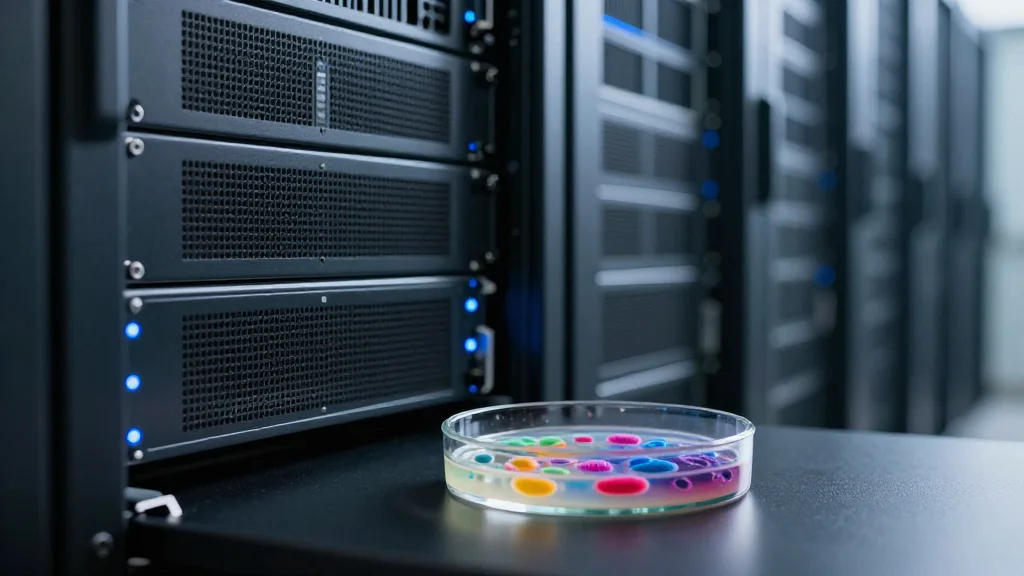
High‑performance computing has become a cornerstone of modern biomedical science, and MGHPCC exemplifies how a regional supercomputing hub can democratize access to massive processing power. Its infrastructure—featuring petascale storage, fast interconnects, and flexible scheduling—lets researchers run workloads that would otherwise require multi‑million‑dollar private clusters. By pooling resources across Harvard, Yale, UMass Boston and other partners, MGHPCC creates economies of scale, fostering a collaborative ecosystem where data‑intensive projects thrive without each institution shouldering the full capital expense.
In practice, the center’s capabilities translate into tangible scientific advances. The Huttenhower Group’s gut‑microbiome analyses sift through billions of DNA reads, uncovering microbial signatures linked to obesity, diabetes, and even neurodegenerative disease. Yale’s O’Hern Group builds physics‑based models that predict how breast‑cancer cells navigate tissue matrices, offering clues for drugs that could block metastasis. Meanwhile, the VirusPlus Lab at UMass Boston simulates viral mutation pathways, informing vaccine design and public‑health responses to emerging threats like SARS‑CoV‑2. These projects illustrate how HPC transforms raw data into actionable hypotheses across the health spectrum.
Looking ahead, the MGHPCC model signals a broader shift toward shared computational infrastructure as a catalyst for rapid biomedical innovation. As sequencing costs fall and multi‑omics datasets explode, the demand for scalable analysis will only intensify. Institutions that tap into communal HPC resources can accelerate translational pipelines, attract industry partnerships, and contribute to a more resilient research ecosystem. In turn, this can spur economic growth in the biotech sector, positioning the region as a hub for next‑generation health solutions driven by high‑performance computing.
MGHPCC Powers Breakthroughs in Biomedical Research with High-Performance Computing
Comments
Want to join the conversation?