
Key Takeaways
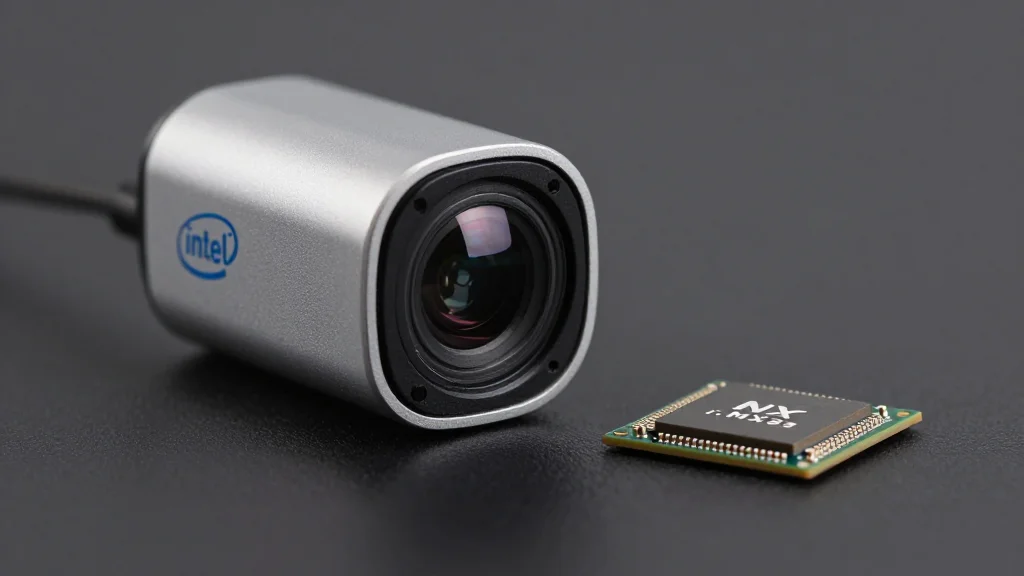
- •UVC driver adds Intel RealSense D436/D555 depth camera support
- •P010 pixel format now supported in Linux 7.1 UVC driver
- •MIPI CSI drivers for Tegra20/30 SoCs merged upstream
- •New sensor drivers added for T4ka3 and ov2732 cameras
- •NXP i.MX93, i.MX95, and i.MX8ULP receive driver updates
Pulse Analysis
Linux’s media subsystem is a critical layer that bridges hardware sensors with user‑space applications, and the 7.1 merge brings a wave of new drivers that expand that bridge. By integrating support for Intel’s RealSense depth cameras, developers can now tap into 3‑D imaging capabilities directly from the kernel, opening doors for robotics, AR/VR, and advanced computer‑vision workloads without proprietary middleware. The addition of the P010 pixel format further future‑proofs video pipelines for high‑dynamic‑range content, aligning Linux with emerging display standards.
The upstream inclusion of MIPI CSI drivers for Tegra20 and Tegra30 SoCs, alongside fresh sensor drivers for T4ka3 and ov2732, strengthens Linux’s foothold in embedded and automotive markets where these chips dominate. NXP’s i.MX93, i.MX95, and i.MX8ULP platforms now enjoy native media driver support, simplifying integration for manufacturers building industrial IoT gateways, smart cameras, and edge‑AI devices. This hardware breadth reduces the need for custom kernel patches, accelerating time‑to‑market for products that rely on real‑time video processing.
While the 7.1 pull is extensive, the absence of the AMD ISP4 driver—essential for the HP ZBook Ultra G1a and upcoming Ryzen AI laptops—highlights the iterative nature of kernel development. The driver’s scheduled arrival in Linux 7.2 ensures that high‑performance ISP features will eventually be available to the open‑source community, preserving Linux’s relevance on next‑gen laptops. This staggered rollout underscores the collaborative ecosystem where upstream contributions gradually close feature gaps, reinforcing Linux’s position as the default OS for diverse multimedia workloads.
New Media Drivers Merged For Linux 7.1
Comments
Want to join the conversation?