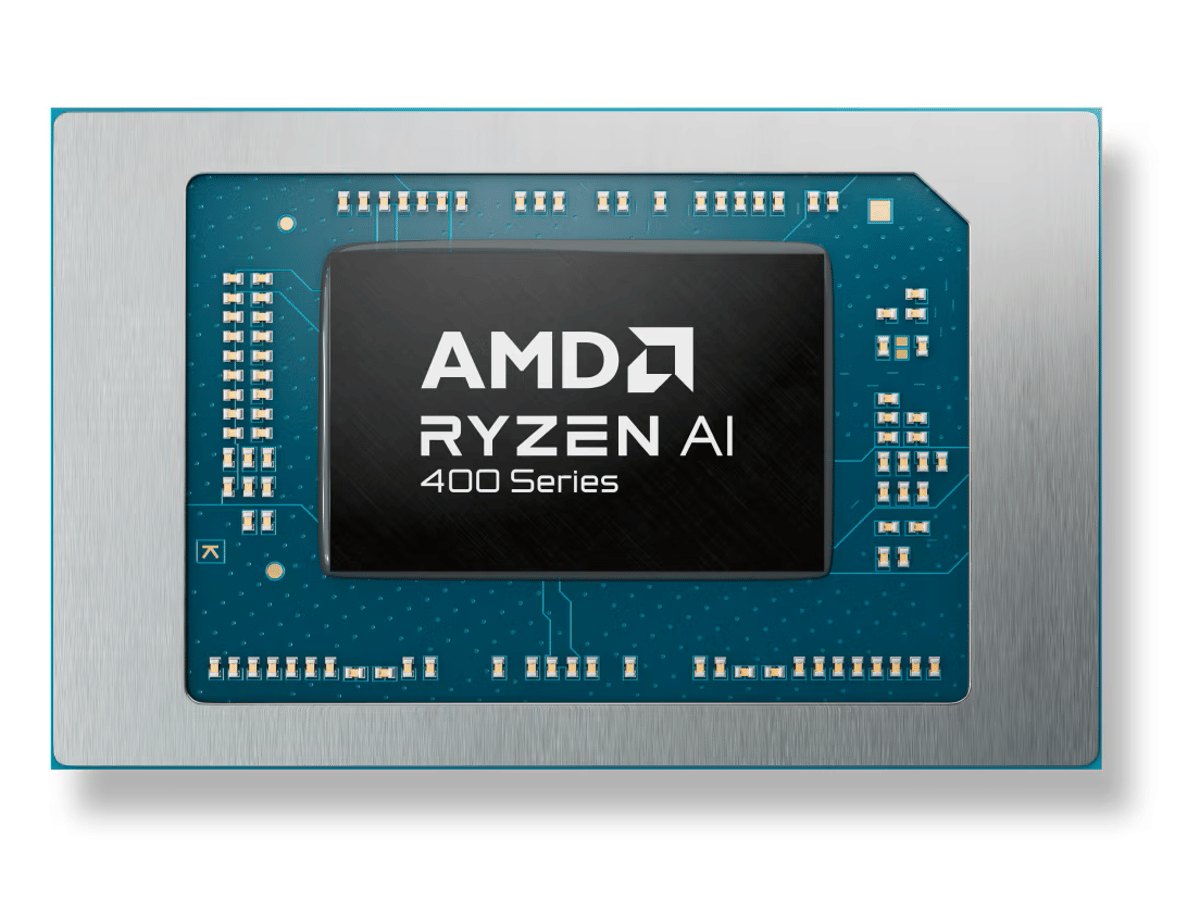
Our First Ryzen AI 5 430 Benchmarks Are in and They're a Mixed Bag
Key Takeaways
- •Integrated Radeon 840M up to 2× faster than 820M
- •Single‑thread CPU speed up to 30% over Ryzen AI 5 330
- •Multi‑threaded performance within 5% of previous generation
- •Power draw unchanged, but graphics performance‑per‑watt improves
- •Still far behind dedicated GPUs for gaming workloads
Pulse Analysis
AMD’s 2026 mobile refresh introduces the Ryzen AI 400 series, built on the Zen 5 architecture, to replace last year’s AI 300 line. The move reflects AMD’s strategy to tighten the performance gap in the highly competitive mid‑range laptop market, where Intel’s 13th‑gen U‑series and Apple’s M2‑based devices dominate. By pairing the new CPU with a refreshed integrated Radeon 840M GPU, AMD aims to deliver a more balanced compute‑graphics solution for everyday users, remote workers, and students who need decent visual performance without the cost or power draw of a discrete graphics card.
In head‑to‑head testing, the Ryzen AI 5 430 shows mixed results. Single‑core workloads such as LibreOffice conversions and the R 2.5 benchmark run up to 30% faster, indicating a higher boost clock or architectural tweaks that benefit latency‑sensitive tasks. Multi‑core suites like Blender, Cinebench R23, and Geekbench 6.6, however, hover within a 5% margin of the Ryzen AI 5 330, suggesting limited gains in parallel processing. The standout improvement is the integrated GPU: 3DMark scores jump 45‑100 points, translating to roughly 1.5‑2× higher frame rates in light gaming and GPU‑accelerated applications. Power measurements reveal virtually identical average draw, but the graphics uplift improves performance‑per‑watt, a key metric for thin‑and‑light laptops.
For OEMs, the Ryzen AI 5 430 offers a clear value proposition: better graphics capability without a noticeable battery penalty, enabling slimmer chassis designs and lower price points. Consumers seeking a laptop for content creation, video conferencing, or casual gaming will notice a smoother experience, while power users requiring heavy multi‑threaded workloads may still look to higher‑tier Ryzen AI 7/9 models or Intel’s performance‑oriented chips. As AMD continues to iterate on its AI‑enhanced silicon, the 430 sets a baseline that could pressure competitors to raise the graphics performance of their integrated solutions, ultimately benefiting the broader laptop ecosystem.
Our first Ryzen AI 5 430 benchmarks are in and they're a mixed bag
Comments
Want to join the conversation?