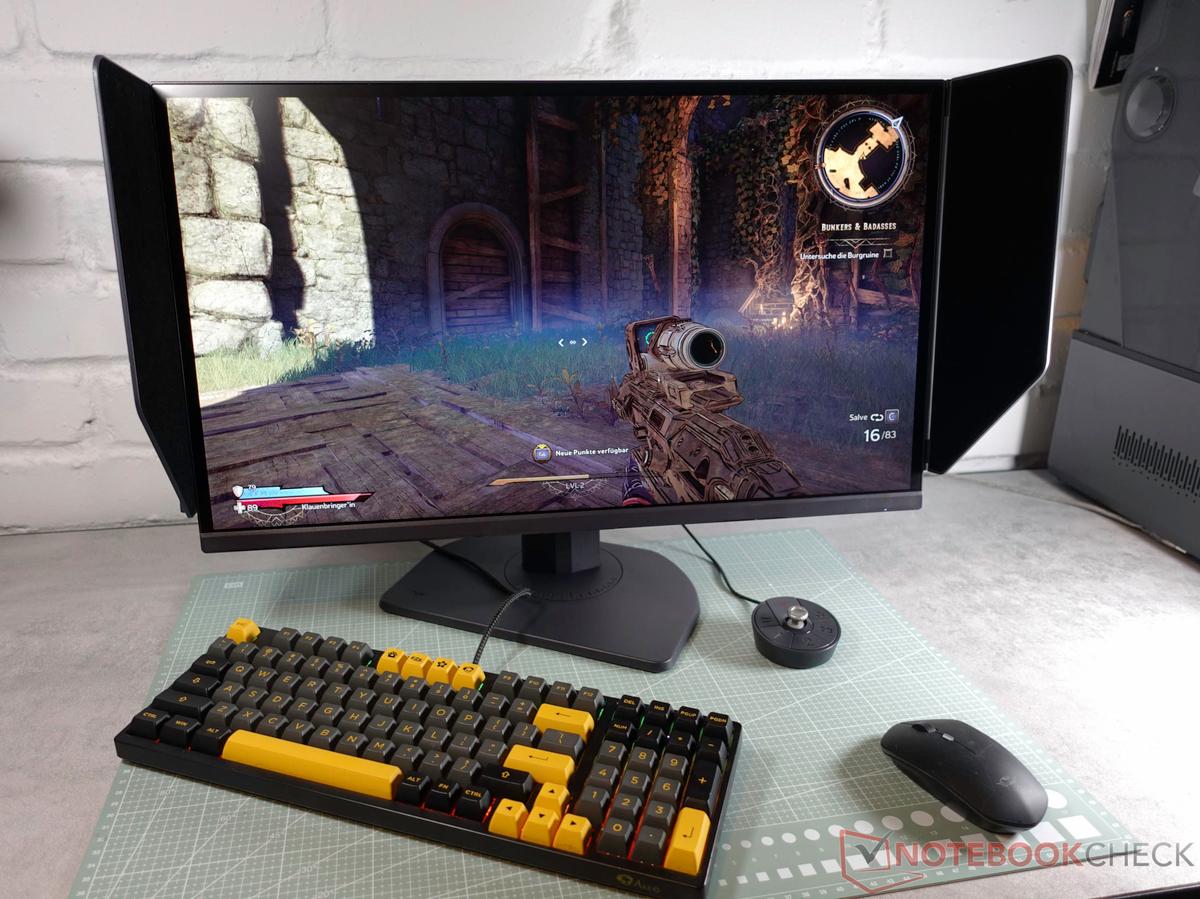
Speed Is Its Priority: KTC 24N1 400-Hz Gaming Monitor Reviewed
Key Takeaways
- •400 Hz refresh rate targets competitive esports gamers
- •1 ms GTG response with overdrive eliminates ghosting
- •TN panel delivers fast speed but limited viewing angles
- •Flicker‑free backlight and low PWM reduce eye strain
- •Ergonomic stand with pivot and height adjustment included
Pulse Analysis
High‑refresh gaming monitors have become a cornerstone of the esports ecosystem, with players demanding ever‑higher frame rates to gain a competitive edge. While 144 Hz and 240 Hz panels have long been the standard, the emergence of 400 Hz displays like the KTC H25N1 signals a new performance tier. Manufacturers are leveraging faster panel technologies and refined overdrive algorithms to shrink input lag and ghosting, allowing gamers to react to on‑screen action with near‑instantaneous visual feedback. This trend reflects both the maturation of competitive gaming and the broader consumer appetite for smoother, more responsive visual experiences.
The KTC H25N1 distinguishes itself by pairing a 400 Hz refresh rate with a TN panel that achieves a manufacturer‑claimed 1 ms gray‑to‑gray response. In practice, overdrive pushes effective gray‑to‑gray times to around 2 ms, virtually eliminating motion blur in fast‑paced titles. However, the TN architecture brings inherent drawbacks: contrast ratios hover near 1,000:1 and viewing‑angle stability is poor, leading to color shifts when the screen is viewed off‑center. The monitor compensates with dynamic contrast reduction and a bright 350 cd/m² panel that remains usable in well‑lit environments. Its flicker‑free backlight, confirmed by the absence of PWM, further reduces eye fatigue during marathon sessions.
For competitive gamers, the H25N1 offers a compelling value proposition. Its ergonomic stand provides tilt, height, and pivot adjustments, while a remote‑controlled OSD simplifies quick setting changes—though language translations can be awkward and brightness adjustments trigger unavoidable warnings. Power consumption stays modest, drawing 35 W at full brightness and dropping to 0.15 W in standby. Priced below premium OLED alternatives, the monitor appeals to players who prioritize raw speed over color fidelity, making it a practical choice for esports athletes and fast‑reaction gamers seeking an affordable, high‑performance display.
Speed is its priority: KTC 24N1 400-Hz gaming monitor reviewed
Comments
Want to join the conversation?