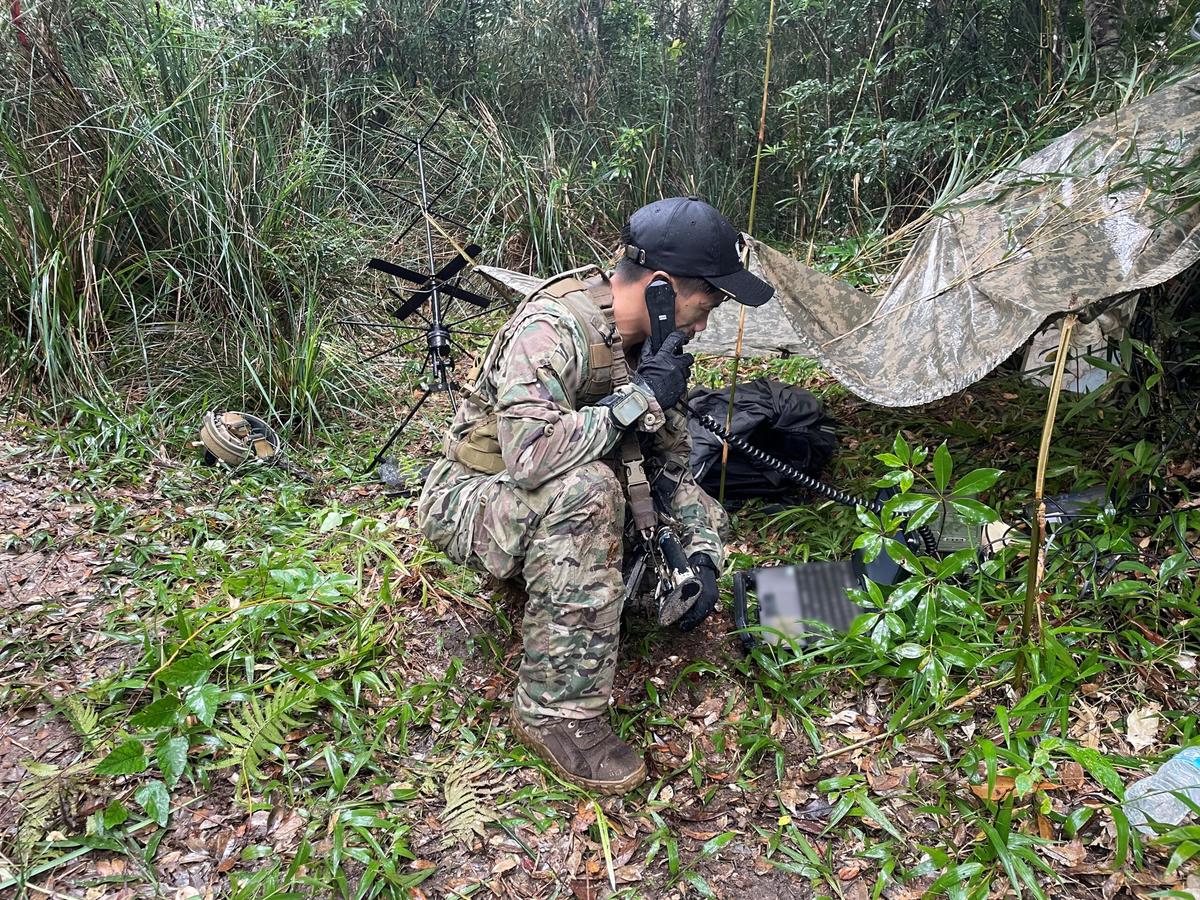
The $75 Radio: Why US Special Operations Command Needs to Buy Off the Shelf for the Next War
•March 3, 2026
0
Key Takeaways
- •LoRa radios transmit below ambient noise floor, evading detection.
- •Commercial chips cost $10‑$125, enabling disposable communication units.
- •Low-power spectrum use blends with civilian ISM traffic, masking signatures.
- •SOCOM acquisition flexibility can bypass traditional DoD procurement delays.
- •AI-driven signal analysis raises detection risk for high‑power radios.
Summary
U.S. Special Operations Command is urged to supplement its high‑signature, expensive military radios with disposable, low‑power commercial‑off‑the‑shelf (COTS) solutions such as LoRa. By operating in the unlicensed sub‑gigahertz ISM band and using chirp spread spectrum, these radios can hide below civilian noise floors, evading AI‑driven signal detection. The article argues that this inexpensive, mass‑produced technology offers a tactical edge against peer competitors like China and Russia, especially in denied, degraded, intermittent, low‑bandwidth environments. Immediate fielding of LoRa‑based devices would add a resilient, low‑probability‑of‑detection layer to existing communications plans.
Pulse Analysis
Modern electronic warfare increasingly favors stealthy, low‑power communications. Traditional military radios, though secure, emit strong, identifiable waveforms that can be pinpointed by advanced AI‑driven spectrum analysis. Peer adversaries such as China and Russia are investing heavily in machine‑learning models that sift through electromagnetic clutter to locate hostile emissions. In this environment, special‑operations teams need a communication method that blends into the civilian electromagnetic background, reducing the likelihood of detection and subsequent targeting.
LoRa technology, originally designed for Internet‑of‑Things networks, offers precisely that capability. Its chirp spread spectrum modulation spreads signal energy across a wide bandwidth, allowing transmissions at milliwatt levels that sit below ambient noise. Operating in the unlicensed sub‑gigahertz ISM band, LoRa packets merge with everyday civilian traffic, providing natural camouflage. The hardware is compact, lightweight, and can be produced for under $125 per unit, making it feasible to issue disposable radios to every operator. Moreover, the mesh networking inherent to LoRa‑based devices ensures self‑healing connectivity, preserving command‑and‑control even if individual nodes are lost.
SOCOM’s unique acquisition authority positions it to bypass the lengthy DoD procurement cycle and rapidly field these commercial solutions. By prioritizing functional requirements—size, weight, power, and signature—over traditional specifications, the command can integrate domestically produced LoRa chips, secure them with custom software, and stockpile inexpensive units for rapid deployment. This approach not only cuts costs but also enhances mission resilience against AI‑augmented electronic surveillance, ensuring that special‑operations forces can communicate effectively while remaining invisible on the battlefield.
Comments
Want to join the conversation?