
Key Takeaways
- •Steam Controller ships May 4 at $99 price point.
- •Magnetic thumbsticks and 4 haptic motors differentiate it from rivals.
- •Valve's hardware lineup now includes a shipped product after Steam Machine delays.
- •Linux support relies on Steam Runtime, no native HID driver updates yet.
Pulse Analysis
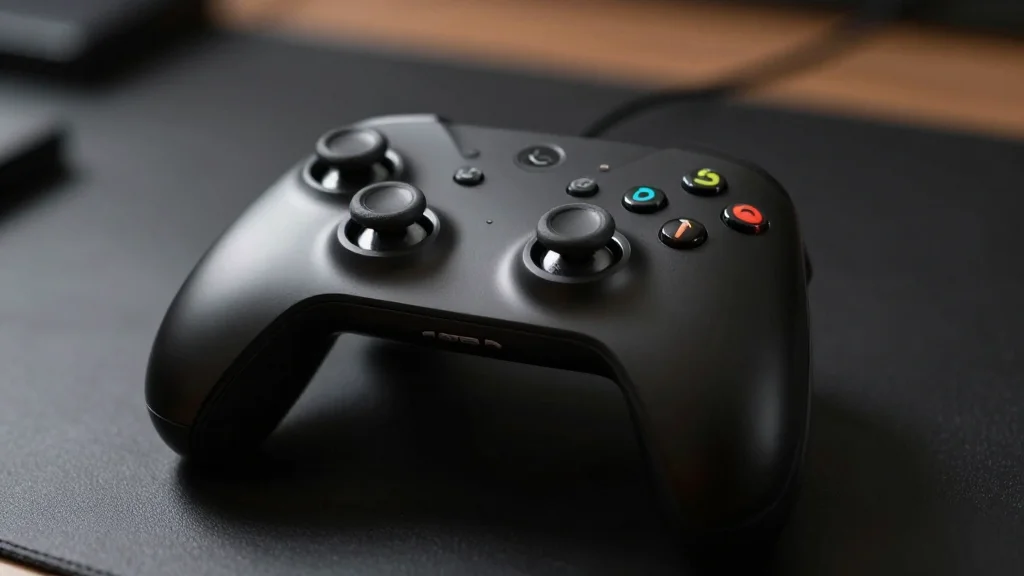
Valve’s decision to finally ship the Steam Controller marks a pivotal moment in its broader hardware ambitions. After a year of teasers surrounding the Steam Machine and the Steam Frame, the controller is the first tangible product to reach consumers, arriving at a $99 price tag that undercuts premium alternatives like ASUS’s $160 offering. Its design—magnetic thumbsticks, four independent haptic motors, and a modest 8.39 Wh battery—targets both casual and hardcore gamers seeking a versatile input device that can toggle between wired and wireless operation.
From a market perspective, the Steam Controller arrives at a time when PC gaming peripherals are increasingly fragmented across high‑end esports gear and budget‑friendly options. By pricing the controller competitively while embedding distinctive features, Valve positions itself as a middle‑ground alternative that could attract users dissatisfied with traditional gamepads or those looking for deeper integration with the Steam ecosystem. The controller’s compatibility with Linux via the Steam Runtime, despite the absence of a dedicated HID driver, underscores Valve’s commitment to supporting open‑source platforms, a move that may encourage broader adoption among Linux gamers who have historically faced peripheral compatibility hurdles.
Strategically, the controller’s launch could serve as a litmus test for Valve’s future hardware roadmap. Successful adoption may pave the way for more ambitious devices, potentially revitalizing the stalled Steam Machine concept or inspiring new accessories that leverage Steam’s software stack. Developers, too, stand to benefit; the controller’s programmable inputs and haptic feedback open avenues for innovative game design, especially within titles that already integrate Steam Input APIs. As the ecosystem matures, the Steam Controller could become a cornerstone of Valve’s hardware‑software synergy, reinforcing its role as both a platform provider and a hardware innovator.
Valve's Steam Controller Now Shipping
Comments
Want to join the conversation?