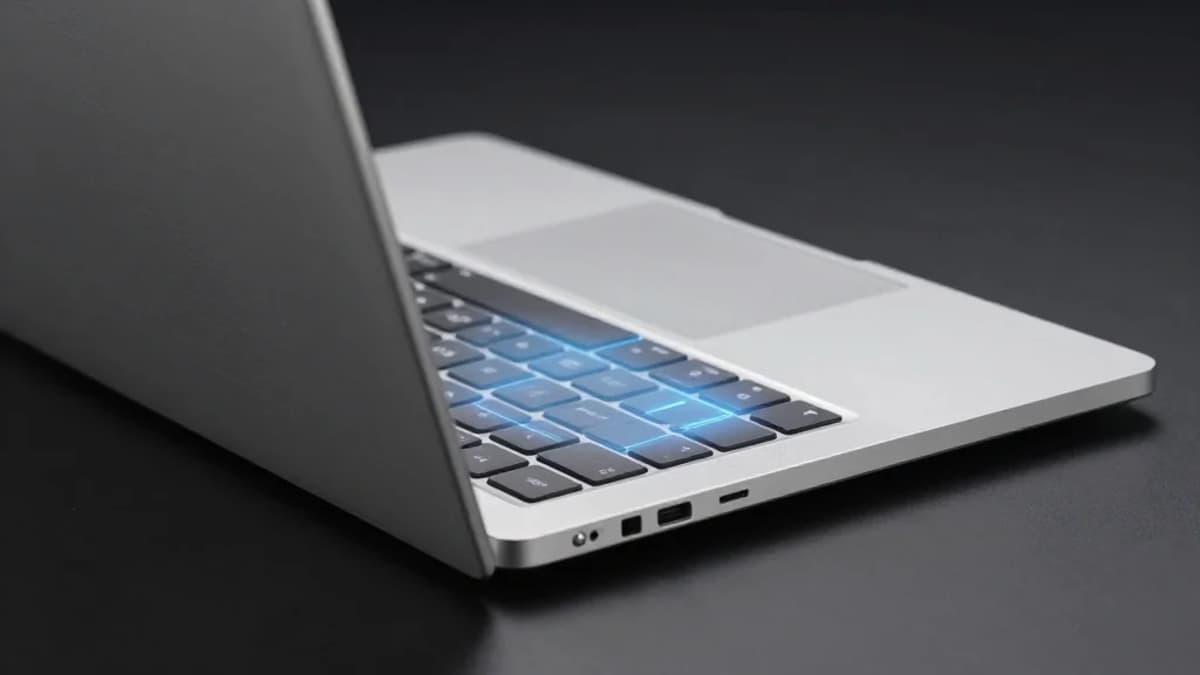
Xiaomi Book 14 Leaks With Panther Lake CPU, 32 GB RAM, Arc B390 iGPU
•March 9, 2026
0
Key Takeaways
- •Panther Lake Core Ultra CPUs power new Book 14.
- •Up to 32 GB RAM and 1 TB SSD.
- •Integrated Arc B390 GPU targets gaming and creative tasks.
- •Touch-enabled 14‑inch display, weight ~1 kg.
- •Premium pricing expected, competing with MacBook.
Summary
Xiaomi’s next‑generation Book 14 laptop has been leaked, showing it will be powered by Intel’s Panther Lake Core Ultra 3 series processors – the Core Ultra 5 325 and Core Ultra X7 358H. The device will offer up to 32 GB of RAM, a 1 TB SSD, and an integrated Intel Arc B390 graphics core, positioning it for both productivity and light gaming. A 14‑inch touch‑enabled panel and a reduced weight of roughly 1 kg suggest a premium, ultra‑portable design. Compared with the current model, the new Book 14 represents a substantial performance and weight upgrade.
Pulse Analysis
Xiaomi’s upcoming Book 14 arrives at a pivotal moment for the ultraportable laptop segment, where consumers demand both thin form factors and robust performance. By adopting Intel’s latest Panther Lake Core Ultra processors, the device taps into a hybrid architecture that blends high‑efficiency cores with performance cores, delivering better multitasking and battery life than previous generations. Coupled with up to 32 GB of DDR5 memory and a 1 TB SSD, the laptop promises desktop‑class responsiveness for professional workloads, while the integrated Arc B390 GPU adds a rare gaming and creative capability to a traditionally productivity‑focused class.
The inclusion of the Arc B390 iGPU is particularly noteworthy. Intel’s Arc line has matured, offering hardware‑accelerated ray tracing and AI‑enhanced media encoding that were once exclusive to discrete graphics solutions. For a 14‑inch device, this means users can edit video, run design software, or enjoy casual gaming without sacrificing battery endurance. The touch‑enabled display further aligns the Book 14 with the growing trend of hybrid work environments, where pen input and interactive screens enhance productivity on the go.
From a market perspective, Xiaomi’s move intensifies competition against Apple’s MacBook Air and other premium Windows ultrabooks. The projected sub‑1 kg weight and premium build quality suggest a pricing strategy that targets professionals willing to pay for a blend of performance and portability. If the price aligns with the spec sheet, the Book 14 could force rivals to accelerate their own hardware refresh cycles, potentially driving broader adoption of Panther Lake CPUs and integrated Arc graphics across the industry.
Comments
Want to join the conversation?