17-Year-Old Minnesota High School Swimmer Creates Device Detecting Harmful Pool Chemicals
Why It Matters
Chloramine exposure can trigger respiratory irritation and worsen medical conditions, so a low‑cost detection system helps pools maintain safer environments. The innovation also highlights how youth‑driven solutions can advance public‑health technology.
Key Takeaways
- •Student created portable sensor box measuring VOC, CO2, temperature, humidity
- •Device flags elevated chloramine risk when four variables rise together
- •Won multiple science fair awards; slated for ISEF presentation
- •CMAHC will feature invention in webinar on aquatic health code
- •Could enable schools and pools to monitor air quality in real time
Pulse Analysis
Chloramines, the irritating gases formed when chlorine reacts with sweat, oils and urine, have long plagued indoor swimming facilities. When ventilation is inadequate, these compounds accumulate in the air, causing coughing, eye irritation and, for athletes with underlying conditions, heightened inflammation. Traditional pool management relies on water testing, leaving airborne exposure largely unmonitored. As public‑health officials and athletic programs seek data‑driven solutions, the need for real‑time air quality metrics has become increasingly urgent.
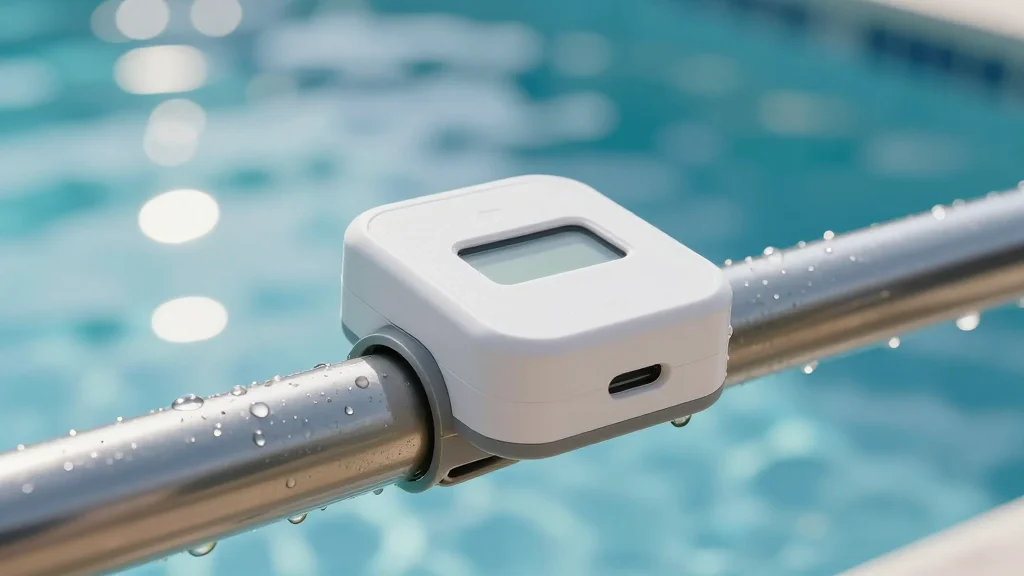
Aditi Gandhi’s invention tackles this gap with a compact, box‑sized sensor suite that simultaneously tracks total volatile organic compounds, equivalent carbon dioxide, temperature and relative humidity. By correlating spikes across these four parameters, the device infers the presence of chloramines without direct chemical sampling—a cost‑effective alternative to laboratory analysis. The prototype, built from off‑the‑shelf components, demonstrates how interdisciplinary knowledge—combining chemistry, electronics and user‑centered design—can yield actionable health tools. Its recognition at regional science fairs and upcoming showcase at the International Science and Engineering Fair underscore both its technical merit and its potential scalability.
Beyond the immediate swimming community, Gandhi’s sensor platform could influence broader indoor‑air‑quality monitoring standards. Facilities ranging from schools to municipal recreation centers can adopt the technology to meet emerging guidelines from the Council for the Model Aquatic Health Code and the CDC. Moreover, the project exemplifies how young innovators can accelerate public‑health advancements, encouraging investment in STEM education and partnerships with industry stakeholders. As awareness of indoor air pollutants grows, affordable detection devices like Gandhi’s are poised to become integral components of health‑centric facility management.
17-Year-Old Minnesota High School Swimmer Creates Device Detecting Harmful Pool Chemicals
Comments
Want to join the conversation?
Loading comments...