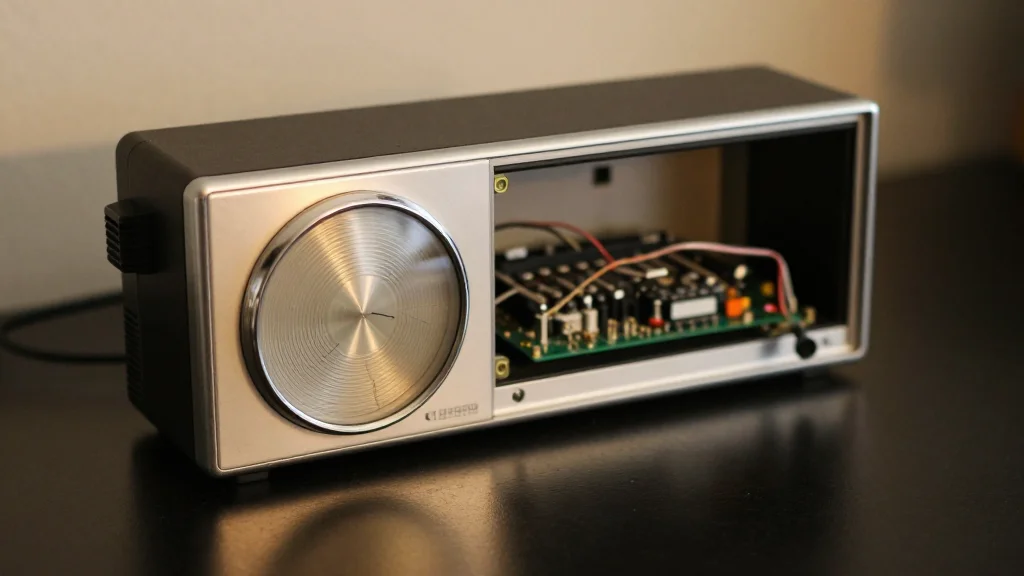
Why It Matters
The project illustrates how low‑cost vintage electronics can be revitalized, preserving cultural heritage while tapping a growing DIY market for retro tech. Successful restorations also boost resale value and extend product lifespans, aligning with sustainability trends.
Key Takeaways
- •Radio bought for $5 after multiple markdowns
- •Paint trim peeled, plastic bezel cracked, knobs yellowed
- •Board removal required wire extensions due to short leads
- •Replaced electrolytic caps, cleaned dust, restored speaker mounts
- •Final finish used silver paint, Magic Eraser, and carnauba wax
Pulse Analysis
Vintage radio restoration has become a niche yet lucrative segment of the broader DIY electronics market. Collectors and hobbyists are drawn to mid‑century models like the Zenith N514G because they combine nostalgic design with solid engineering. Even a radio priced at a few dollars can yield a high‑margin resale after a thorough refurbishment, making the practice attractive to both enthusiasts and small‑scale entrepreneurs. The surge in online forums, parts suppliers, and instructional videos has lowered the barrier to entry, encouraging more people to preserve these cultural artifacts.
The Zenith N514G presents a textbook case of the technical hurdles typical of 1960s consumer electronics. Its densely packed chassis leaves only a short leash of wires, forcing the restorer to fabricate 10‑inch extensions for safe board removal. Component‑level work focused on electrolytic capacitor replacement—upgrading a 40 µF unit to 47 µF and an 80 µF to 8.2 µF—while mica caps and resistors remained within tolerance. Proper soldering, heat‑shrink insulation, and careful speaker‑mount repairs ensured both electrical safety and functional reliability, underscoring the importance of methodical troubleshooting.
Beyond circuitry, the aesthetic overhaul proved essential for market appeal. The author masked the silver trim, applied fresh silver paint, and used a tiered polishing regimen—Novus Cleaner #3, #2, then Meguiar’s carnauba wax—to erase decades of wear. Replacing the cracked clock bezel with a $22 aftermarket part completed the visual restoration. Such attention to detail not only enhances the radio’s collectible value but also demonstrates how DIY projects can merge technical skill with craftsmanship, reinforcing the growing consumer appetite for authentic, restored vintage technology.
1965 Zenith N514G: Banged Up, but Still Appealing
Comments
Want to join the conversation?
Loading comments...