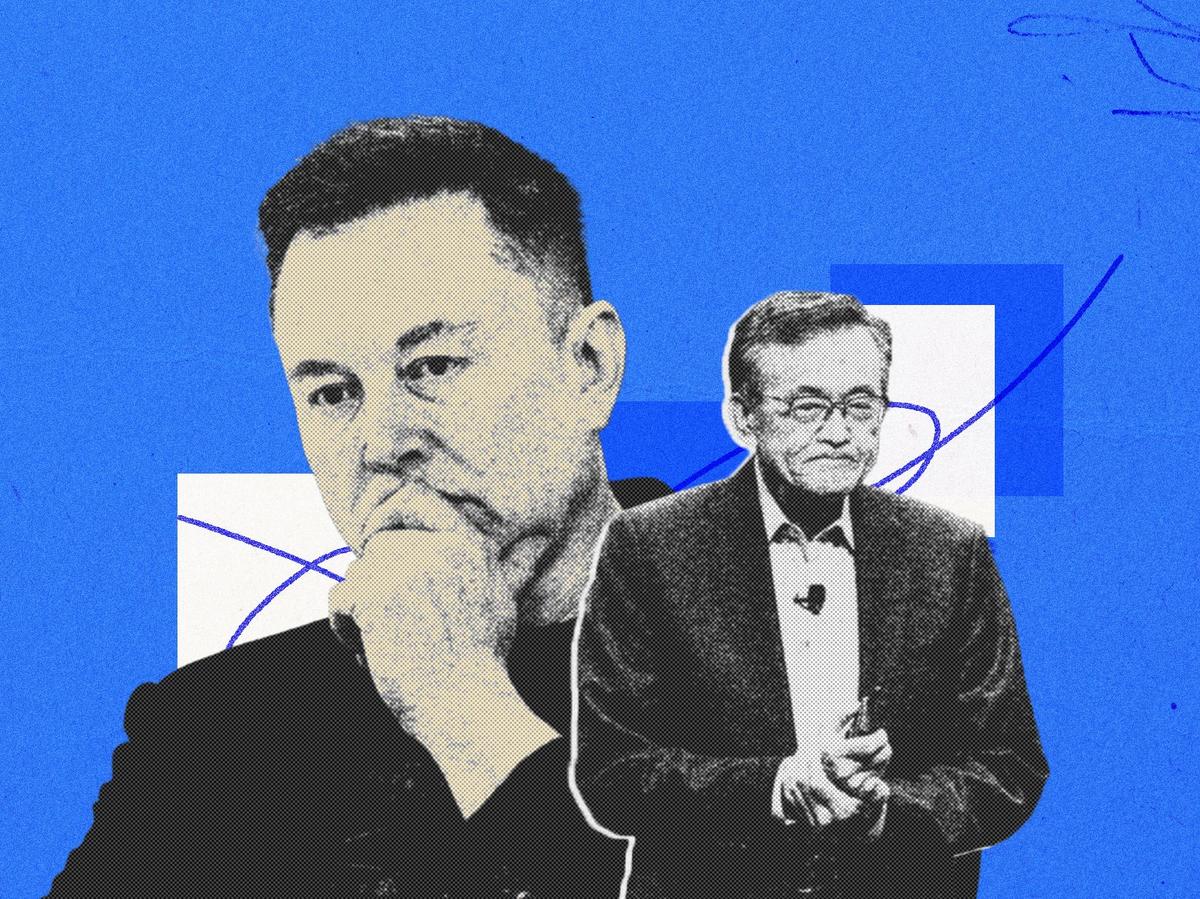
5 Burning Questions About Elon Musk’s Terafab Chip Partnership with Intel
Why It Matters
The alliance could secure a steady, high‑margin AI chip demand for Intel while giving Musk control over a domestic fab, potentially reshaping U.S. semiconductor supply and reducing reliance on Asian foundries.
Key Takeaways
- •Intel offers advanced packaging, avoiding wafer competition with TSMC
- •Musk likely seeks deep customization of chip designs and processes
- •No SEC filings suggest partnership remains informal, handshake‑based
- •Texas labor shortages could delay fab construction timelines
- •Intellectual property likely stays with Intel, limiting Musk’s ownership
Pulse Analysis
Intel’s alignment with Elon Musk’s Terafab project marks a rare convergence of a legacy foundry and a hyper‑growth tech conglomerate. After years of lagging behind rivals, Intel is courting external customers to fill excess capacity and revive its reputation in advanced node manufacturing. Musk’s vision of a 1‑terawatt, ultra‑high‑performance fab promises a steady stream of chips for autonomous vehicles, robotics and AI data centers—segments that could become a lucrative revenue pillar for Intel if the partnership matures beyond a publicity handshake. The deal also signals Intel’s intent to diversify beyond traditional PC markets. From a technical standpoint, Intel is likely to contribute its advanced packaging and interconnect expertise rather than full‑scale wafer production, a move that sidesteps direct conflict with TSMC, the industry’s dominant fab.
This incremental approach lets Tesla and SpaceX test custom silicon while retaining the flexibility to license Intel’s process‑design kits. However, Musk’s history of deep customization suggests he will push for bespoke architectures and possibly even tailor the manufacturing flow, raising questions about intellectual‑property ownership and the extent of Intel’s control over the resulting designs. Such collaboration could accelerate time‑to‑market for next‑gen AI chips. The practical rollout faces headwinds beyond technology.
Texas, where Tesla’s new design lab sits, is already grappling with a shortage of skilled tradespeople, and competition for electricians and plumbers drives up construction costs and timelines. Intel’s established safety protocols may mitigate some labor concerns, yet the scale of a multi‑million‑square‑foot fab amplifies risk. If the partnership remains informal without SEC disclosures, investors could view the venture as speculative, potentially affecting stock valuations for both companies. S. semiconductor supply chain and lessen reliance on Asian foundries.
5 Burning Questions About Elon Musk’s Terafab Chip Partnership with Intel
Comments
Want to join the conversation?
Loading comments...